





Catching Waves on a Budget
While not as famous as Bali, Thailand has a growing surf scene that’s perfect for beginners and intermediates, especially since it’s incredibly affordable. The main surf season runs during the monsoon, from May to October, when the Andaman Sea gets consistent
swells. The added bonus? This is Thailand's low tourist season, meaning cheaper accommodation and less crowded beaches. You can rent a board for as little as $6 a day or take a two-hour group lesson for around $17, making it an accessible sport to try on your travels.
Phuket: The Surfing Hub
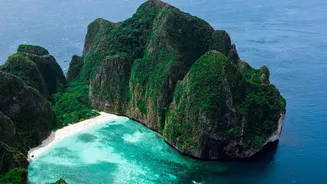
Phuket is the epicenter of Thai surfing, with its west-coast beaches catching the best waves. Kata Beach is the most popular spot, known for its soft sand bottom and mellow, consistent waves ideal for first-timers. For a slightly less crowded vibe, nearby Nai Harn Beach offers a beautiful setting against a backdrop of cliffs. While Phuket can be pricier than other parts of Thailand, visiting in the surf season (May-October) means you'll find plenty of budget-friendly guesthouses and hotels.
Khao Lak and Koh Lanta: Quieter Alternatives
About 80 kilometers north of Phuket, Khao Lak offers a more peaceful surf experience. Its long, sandy beaches like Pakarang and Bang Niang are perfect for beginners, with gentle waves and fewer people. Further south, in Krabi province, the island of Koh Lanta is another laid-back option. Klong Dao Beach has calm, shallow waters ideal for learning, while more experienced surfers can find faster waves at Kantiang Bay. Both destinations offer a reprieve from the crowds with a focus on nature and relaxation.
Trading Beaches for Mountains in the North
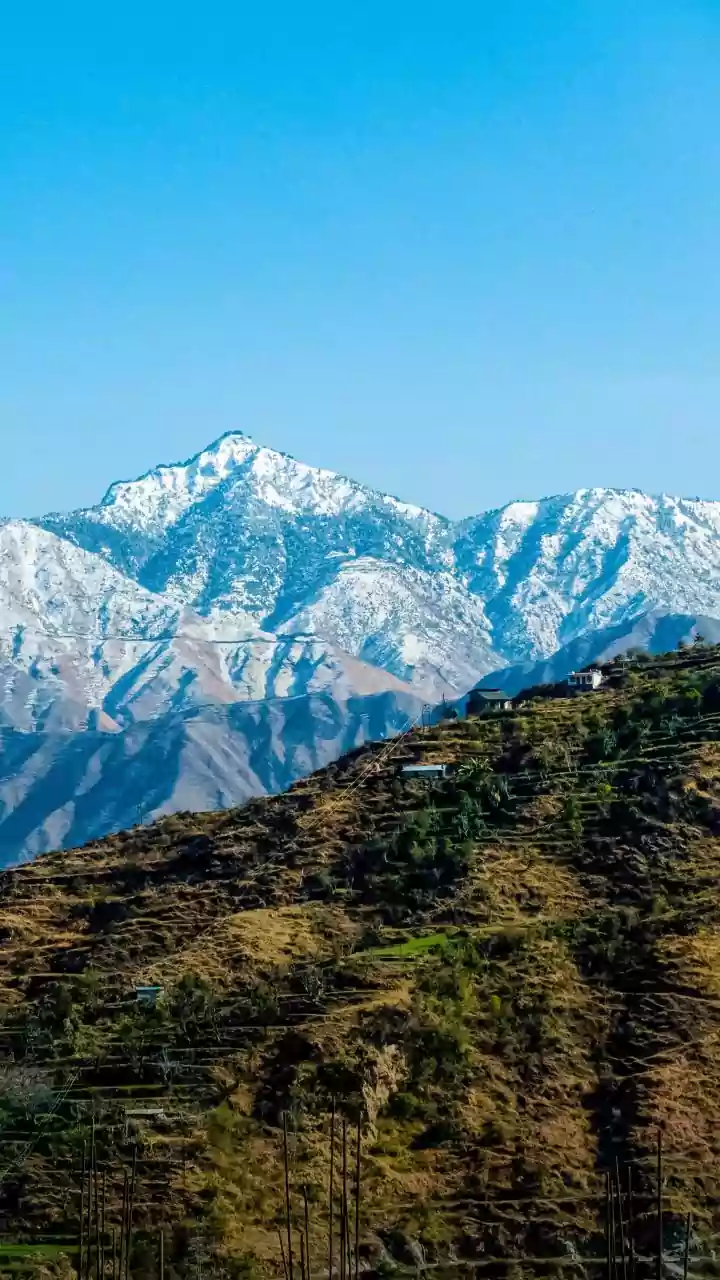
Thailand’s north is a world away from the southern islands, a region of misty mountains, lush jungles, and vibrant hill tribe cultures. It’s also significantly cheaper than the south, with daily expenses for a budget traveler often 40-60% lower. Chiang Mai, the region's largest city, serves as the primary gateway for countless hiking and trekking adventures, from simple day hikes to multi-day immersive journeys.
Chiang Mai: The Trekking Gateway
From Chiang Mai, the options for hiking are nearly endless. A popular and accessible trek is the Monk's Trail to Wat Pha Lat, a beautiful temple hidden in the forest on the way up Doi Suthep mountain. For more dramatic scenery, Doi Inthanon National Park, home to Thailand’s highest peak, offers stunning nature trails like the Kew Mae Pan trail, which requires a local guide for a small fee of around 200 baht. Many local tour operators also offer multi-day treks that include homestays in local Karen or Lahu hill tribe villages, providing a unique cultural experience.
Pai and Beyond: Bohemian Trails
A few hours north of Chiang Mai lies Pai, a small town with a bohemian atmosphere nestled in a picturesque valley. Surrounded by waterfalls, hot springs, and canyons, Pai is a fantastic base for casual day hikes. For those seeking a more rugged adventure, trekking companies in Pai offer multi-day trips deeper into the jungle and mountains toward the Myanmar border, often for as little as 1600 THB for a two-day, one-night excursion. These treks offer an authentic glimpse into the remote village life of Northern Thailand.
Khao Sok: Southern Jungle Adventures
If you want mountain scenery without leaving the south, Khao Sok National Park is an unmissable destination. Located between Phuket and the Gulf coast, it's a breathtaking landscape of ancient rainforest and towering limestone karsts. The park entrance fee is 300 THB, and you can hire a guide for a half-day jungle hike for about 700 THB. Many visitors opt for an overnight stay in a floating bungalow on Cheow Lan Lake, often part of a tour package that includes jungle trekking, caving, and wildlife spotting. It’s a spectacular way to experience one of Thailand's most dramatic natural wonders.