

The Reign of the Over-Stuffed Shelf
Cast your mind back, or perhaps just glance at your social media feeds from a few years ago. The aspirational home was defined by its shelves, specifically, shelves groaning under the weight of meticulously arranged objects. This was the era of 'cluttercore'
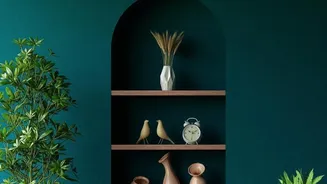
and the 'shelfie'—a portmanteau of 'shelf' and 'selfie'. Each surface was a performance. Books were turned spine-in or organised by colour, not author. They were interspersed with a dense constellation of trinkets, trailing plants, quirky vases, and personal mementos. It was a visual feast, designed to project a personality that was eclectic, well-read, and effortlessly cool. The goal wasn't just to store things; it was to create a picture-perfect vignette ready for its close-up, proving that your life was just as curated as your decor.
The Practicality Problem
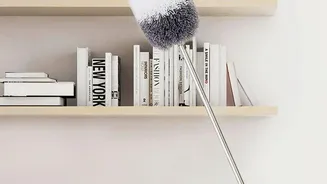
The problem with living inside a photo shoot is the maintenance. Every one of those charming, personality-filled objects is a dust magnet. What began as a creative expression quickly became a cleaning nightmare. The chore of having to individually lift, wipe, and replace dozens of tiny items just to dust a single shelf began to outweigh the aesthetic benefits. This isn't just a minor inconvenience; it speaks to a broader shift in our relationship with our homes. After spending more time than ever within our own four walls, the desire for a home that is easy to live in—and easy to clean—has skyrocketed. The impracticality of high-maintenance decor started to feel less like a charming quirk and more like a self-inflicted burden.
From 'Shelfie' to 'Bookshelf Wealth'
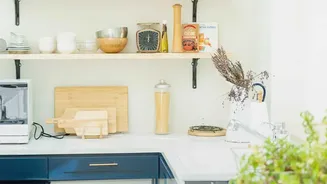
The backlash against the over-styled shelf isn't a return to cold, stark minimalism. Instead, it's a pivot towards a more authentic and livable aesthetic, elegantly captured by the newer 'bookshelf wealth' trend. This philosophy champions shelves filled with books you have actually read, art you genuinely love, and a few meaningful objects collected over time. Unlike the performative clutter of the shelfie, bookshelf wealth is about creating a space that reflects a real, lived-in experience. The 'wealth' isn't monetary; it's the richness of your personal history and intellectual journey on display. The result is a space that feels personal and cosy, not cluttered and chaotic. It's a look that suggests quiet confidence rather than a constant need for validation.
Embracing Negative Space
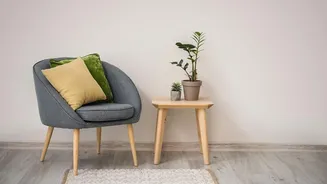
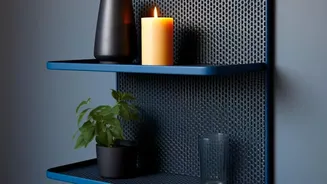
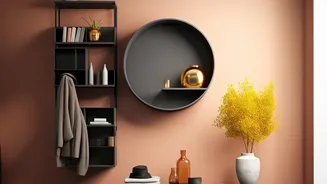
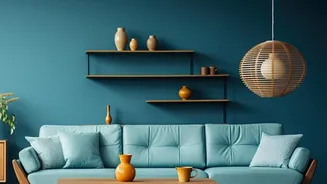
Central to this new approach is the embrace of 'negative space'—the empty areas on a shelf that give your eyes a place to rest. Designers now advise that leaving some shelves partially empty is crucial to prevent a cluttered look. This breathing room makes the items you do choose to display feel more special and intentional. Rather than a chaotic jumble, the new ideal is a balanced, curated collection where each piece can be appreciated. This less-is-more approach not only looks more sophisticated but also reinforces the practical benefit: fewer items mean dramatically less time spent dusting. It's a win-win, where elevated design and everyday convenience go hand-in-hand.
A Home for Living, Not Just for Likes
Ultimately, the rejection of the over-styled shelf is about more than just cleaning habits. It signals a cultural shift away from the performative perfectionism that dominated social media for over a decade. People are tired of living in homes that feel like sets. The focus is moving from how a space looks to an online audience to how it feels to the people who actually live there. We are craving authenticity, comfort, and a sense of calm in our personal sanctuaries. Choosing a less cluttered, more manageable decor style is a small but powerful way of rejecting the pressure to constantly curate our lives for public consumption. Our homes are becoming homes again, not just backdrops for the next post. And if that also means we can spend less time dusting, all the better.