




The Cardio Question: Heart Health Heroes
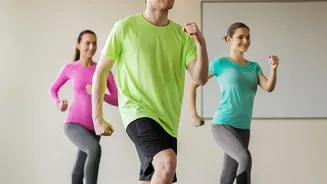
Both aerobics and rebounding are fantastic for cardiovascular fitness. Aerobics, particularly high-intensity choreographed classes, has long been a go-to for raising your heart rate and improving aerobic capacity. Studies show that regular step aerobics can
effectively burn calories and improve metrics like blood pressure and 'good' HDL cholesterol. Trampolining, or rebounding, is similarly effective. Research, including famous studies by NASA, found rebounding to be a highly efficient way to boost cardiovascular health, sometimes even more so than running on a treadmill for the same duration. The rhythmic bouncing elevates your heart rate, strengthening the heart muscle over time. The key difference isn't if they work your heart, but how it feels. Many find the playful nature of bouncing makes a tough workout feel less strenuous.
Joint Impact: The Great Divide
This is where the two workouts diverge most significantly. Traditional floor aerobics, especially high-impact variations with lots of jumping and running in place, puts considerable stress on your joints. For those with knee, hip, or ankle issues, this can be a major drawback. Rebounding, on the other hand, is celebrated for being a low-impact exercise. The flexible surface of a mini-trampoline absorbs the majority of the shock—some estimates suggest up to 80%—that would otherwise travel through your joints. This makes it an excellent choice for people seeking a joint-friendly workout, those recovering from certain injuries, or anyone looking to protect their joints for the long term.
Muscle Engagement: Full Body vs. Focused Power
Floor aerobics, especially formats like step, are brilliant for building lower-body strength. They target the large muscle groups: quadriceps, hamstrings, glutes, and calves. It’s a powerful way to tone and strengthen your legs. Rebounding offers a more comprehensive, full-body workout. The unstable surface forces you to constantly engage your core for stability. Beyond that, it activates hundreds of smaller stabilizer muscles around your ankles, knees, and hips that are often neglected in floor-based workouts. This not only builds functional strength but also improves your balance and coordination.
Calorie Burn: Intensity is Key
When it comes to burning calories, both methods can be highly effective, but the results depend heavily on your effort and intensity. A vigorous step aerobics class can burn a significant number of calories, comparable to jogging. Likewise, an intense rebounding session can burn a similar amount, with some studies suggesting it can be even more efficient than running at a moderate pace. Some sources state that 30 minutes of rebounding can burn between 200 and 400 calories. Ultimately, high-intensity aerobics might have a slight edge in maximum calorie burn if you push yourself to the limit, but the 'fun factor' of trampolining may lead you to work out for longer, potentially evening out the score.
Unique Perks: Beyond the Workout
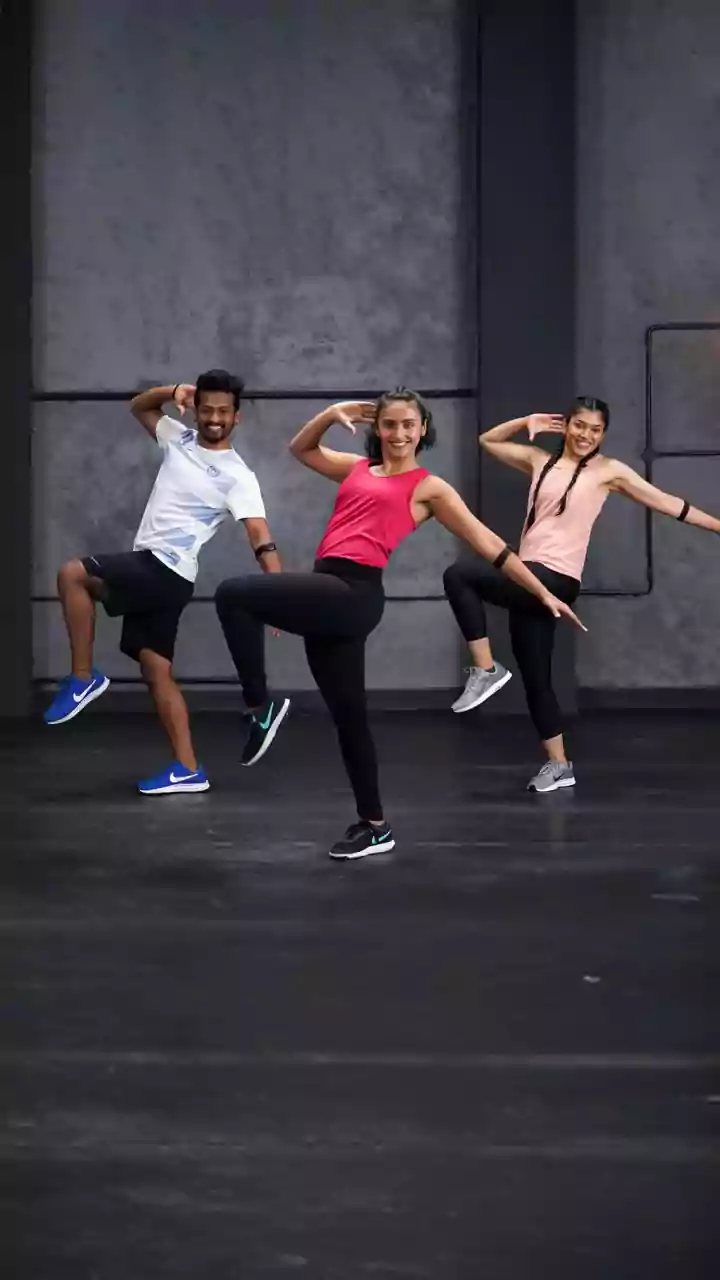
Each activity has unique benefits. The structured, choreographed nature of many aerobics classes can be a huge motivator, helping you push through a workout with the energy of a group. Rebounding's most unique benefit is its effect on the lymphatic system. This system, which helps remove toxins and waste from your body, doesn't have its own pump like the circulatory system. The vertical up-and-down motion of rebounding is believed to dramatically increase lymphatic flow, potentially by 15 to 30 times, which can help reduce inflammation and support immune function.