
Rethinking Our Festive Footprint
Across India, festivals are a time of joy, light, and decoration. However, this often involves single-use plastic items like tinsel, synthetic garlands, and mass-produced ornaments. Much of this decor is used for a short period and then discarded, contributing
to landfill waste. Many of these festive products are made from materials like PVC or contain glitter, which are essentially microplastics. These tiny plastic particles can shed into our homes and eventually pollute the environment, posing a risk to ecosystems and health. The annual surge in festive waste is significant, with estimates suggesting household waste can increase by as much as 30% during holiday periods. This pattern of consumption is prompting a shift towards more mindful and sustainable decorating choices that don't sacrifice the celebratory spirit.
A Brighter, Greener Choice: LED Copper Strings
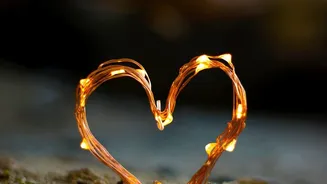
Enter LED copper string lights, a versatile and increasingly popular alternative to traditional plastic decorations. These lights consist of tiny, energy-efficient Light-Emitting Diodes (LEDs) attached to a fine, flexible copper wire. Unlike bulky plastic light strings, the minimalist design of copper wire lights offers a more delicate and modern aesthetic. The copper wire itself is pliable, allowing it to be bent and shaped around objects, woven into displays, or draped elegantly across furniture. This flexibility makes them a multi-purpose decorating tool, capable of replacing not just old lights but also plastic garlands and other disposable ornaments. Their durability and design represent a move away from throwaway culture towards reusable, long-lasting decor.
The Power of Energy Efficiency
One of the most significant environmental benefits of switching to LED lighting is the dramatic reduction in energy consumption. LED lights use up to 80-90% less energy than their traditional incandescent counterparts to produce the same amount of light. For example, a string of 100 incandescent mini-lights might use 40 watts of power, while an equivalent LED string uses only about 4 to 5 watts. Over the course of a festive season, this difference can lead to substantial savings on your electricity bill and a significantly lower carbon footprint. Furthermore, LEDs generate very little heat, making them much safer to use around fabrics, plants, and other delicate materials, reducing the risk of fire hazards.
Durability Over Disposability
Beyond energy savings, the materials themselves offer a sustainability advantage. Copper is a durable and long-lasting material. Copper wire is less prone to breaking from repeated bending and storage compared to the more rigid wiring in many cheap plastic lights, meaning the same set can be used for many years. When they do eventually reach the end of their life, the copper wire within the lights is a valuable and highly recyclable metal. In contrast, many plastic decorations are made from mixed materials that are difficult, if not impossible, to recycle. By choosing a product with a longer lifespan and better end-of-life options, you are investing in a cycle of reuse rather than disposal.
Versatility and Timeless Style
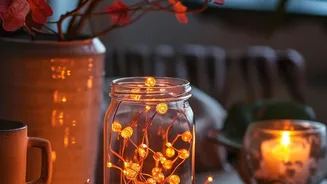
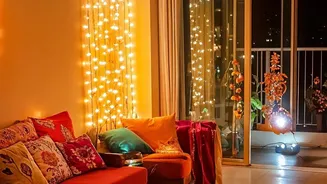
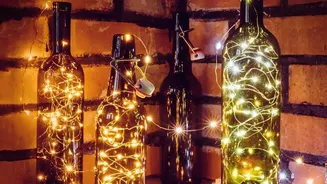
LED copper strings are more than just lights; they are a complete decorating element. Their subtle glow and malleable wire allow for endless creativity. You can wrap them around a staircase railing or mantelpiece for a classic look. Weave them through fresh flower garlands or place them inside glass jars and bottles to create stunning, luminous centrepieces. Use them to outline mirrors, bed frames, or window sills to add a warm, ambient glow to any room, year-round. This versatility means they can replace plastic tinsel on a tree, synthetic flower strings on a wall, and other single-use items, all while providing a sophisticated and elegant aesthetic that complements both traditional Indian decor and modern interiors.