



A Festive Surge in Sales Value
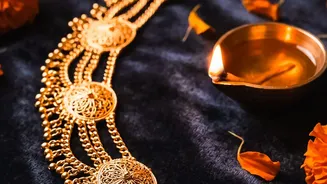
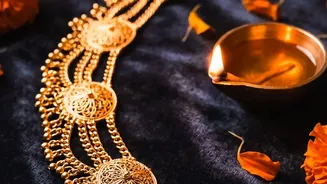
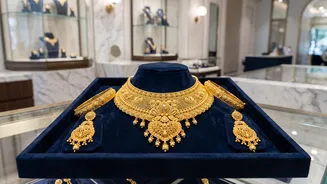
The period around Dhanteras and Diwali saw a significant uptick in gold sales, with industry estimates pointing to transactions worth approximately ₹60,000 crore. This figure marks a notable 15-20% increase in the value of sales compared to the same period last
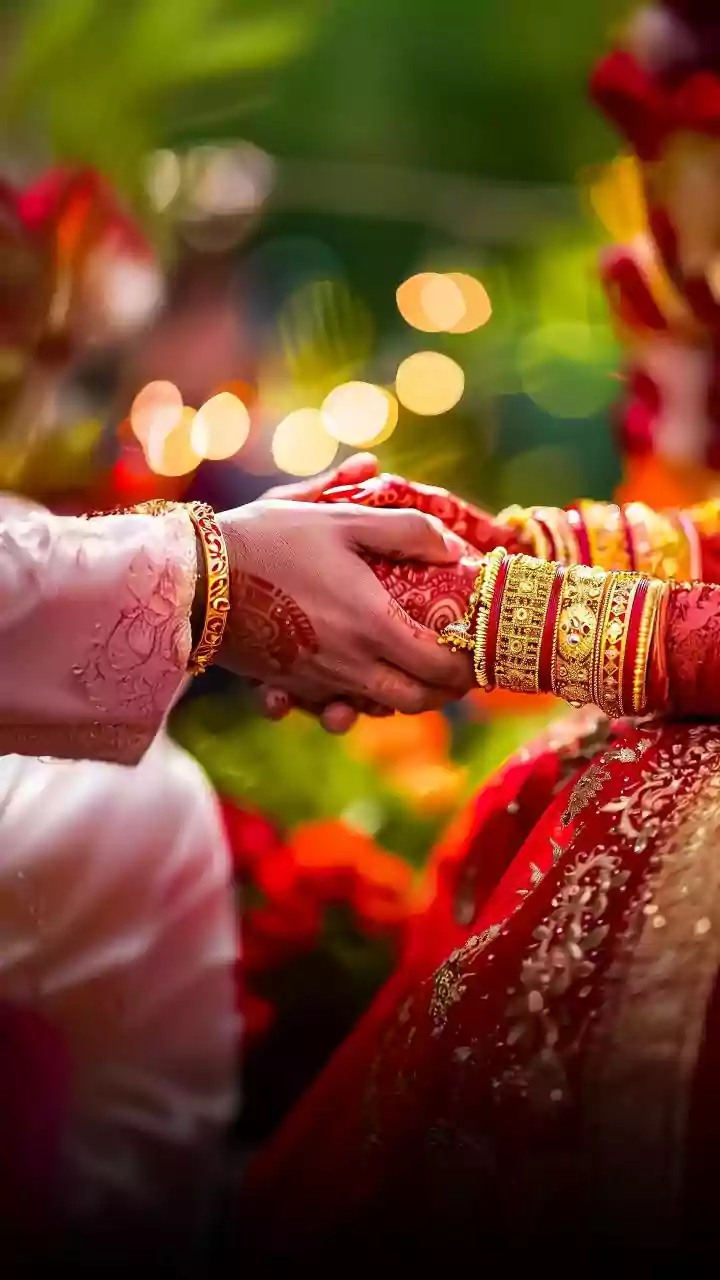
year. The rush was spurred by a timely correction in domestic gold prices, which had fallen from a peak earlier in the year, providing a much-needed incentive for festive buyers. Jewellers across the country reported a visible increase in footfall, heralding a return of consumer confidence just in time for the most auspicious gold-buying days of the year and the upcoming wedding season.
The Story Behind the Numbers: Volume vs. Value
While the value of sales painted a rosy picture, the story in terms of sheer quantity is more nuanced. Despite the impressive sales figures in rupees, the actual volume of gold sold during the festive period was expected to be largely unchanged from last year. This highlights a trend that has defined 2026: consumers are spending more to buy less gold. Throughout the year, historically high prices meant that even as households allocated significant budgets for gold, their money simply didn't stretch as far. For example, in the third quarter of 2026, ₹1 lakh bought about 6.7 grams of gold, compared to nearly 10 grams in the same period of 2025. Many buyers adapted by opting for lightweight jewellery, smaller coins, or lower-carat options.
The Context: A Year of Muted Demand
The festive cheer arrived after several months of subdued activity. The World Gold Council reported a sharp 29% year-on-year drop in gold demand by volume during the third quarter (July-September 2026). Jewellery demand fell by 20% and investment demand, in the form of bars and coins, plunged by 40% in the same period. The first half of the year also showed strain, particularly in jewellery volumes, which were consistently down compared to 2025. The primary culprit was affordability. Soaring prices, which hit a record high in January, combined with an import duty hike to 15% in May, kept many price-sensitive buyers on the sidelines.
Rural Distress and the Economic Undercurrents
Another critical factor dampening demand was a slowdown in the rural economy. India's rural sector, which accounts for more than half of the nation's gold consumption, was hit hard by the weakest monsoon in over a decade. Reduced agricultural incomes directly impact the purchasing power of millions of households for whom gold is a traditional form of savings and social security. While urban demand showed some resilience, the weakness in the hinterlands weighed heavily on the overall market for much of the year. This makes the festive season's recovery significant, but it also underscores the fragility of a rebound that is not yet broad-based.
Outlook: A Cautious Optimism
Looking ahead, the question is whether the festive momentum can be sustained. The World Gold Council has forecasted that India's total gold demand for 2026 may fall to around 650 tonnes, potentially the lowest since the pandemic-affected year of 2020. Achieving even this subdued forecast would require a strong performance in the final quarter. While the festive buying provides a glimmer of hope and reflects gold's deep cultural and financial significance, the broader economic context remains challenging. The real test will be if consumer sentiment remains positive beyond the festive and wedding season, especially if prices begin to climb again. For now, the market is celebrating a much-needed revival, even as it keeps a watchful eye on the future.