



Desert plants are masters of survival, but in a pot, they are vulnerable to one common killer: too much kindness. Overwatering is the fastest way to cause root rot. Here’s how to give them the drink they need without drowning them in care.
Understanding the Enemy: What Is Root Rot?
Root rot is
a disease that attacks a plant's roots when they are sitting in waterlogged soil. Unlike many houseplants, the roots of desert dwellers like cacti and succulents are not adapted to constant moisture. When soil stays wet for too long, air pockets disappear, and the roots essentially suffocate. This oxygen-deprived environment becomes a breeding ground for fungi and bacteria, which cause the roots to decay. The first signs often appear above the soil: leaves may turn yellow, translucent, or feel soft and mushy. The base of the plant might become dark or black, and you may notice a musty smell from the soil. By this point, the roots are likely brown or black, soft, and unable to absorb water and nutrients, which is why an overwatered plant can ironically look like it's wilting.
The Golden Rule: Water Less Than You Think
The single most important habit is to let the soil dry out completely between waterings. This isn't just about letting the top inch feel dry; the entire pot, from top to bottom, should be arid before you water again. This 'soak and dry' method mimics the natural cycle of desert environments: a heavy downpour followed by a long period of drought. Watering on a fixed schedule, such as every Sunday, is a common mistake because it doesn't account for changes in light, temperature, or humidity. A plant might need water every 10 days in a hot summer window but only once a month or less during its winter dormancy. When in doubt, always wait. A thirsty succulent will show signs like wrinkling or puckering, but it can quickly recover after a good drink. An overwatered one often cannot.
Technique Matters: The Soak and Dry Method
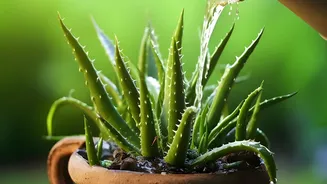
Forget giving your succulents little sips of water. This practice can lead to weak, shallow roots and leave the bottom of the pot completely dry. The correct technique is to water deeply and thoroughly. Pour water slowly over the entire surface of the soil until it begins to run freely from the pot's drainage holes. This ensures the entire root ball is saturated. After watering, make sure the pot is not left sitting in a saucer full of water, as this defeats the purpose of drainage and keeps the roots wet. Then, simply walk away and do not water again until the soil is bone dry. You can check for dryness by sticking a finger two inches into the soil, lifting the pot to feel its weight (dry soil is much lighter), or using a wooden skewer—if it comes out clean and dry, it's time to water.
Your Foundation: Soil and Pot Selection
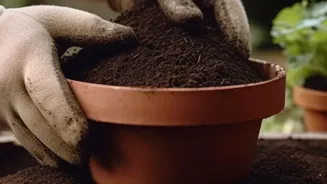
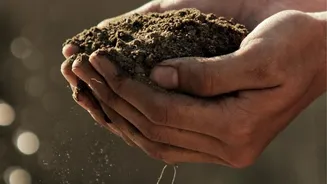
Even perfect watering habits can be undone by the wrong pot or soil. Desert plants need a potting medium that drains exceptionally fast. Standard potting soil holds too much moisture and should be avoided. Instead, use a specialized cactus and succulent mix, or create your own by amending potting soil with materials like perlite, pumice, or coarse sand to improve aeration and drainage. The choice of pot is just as crucial. A container without drainage holes is a death sentence for a succulent. Terracotta or other unglazed ceramic pots are excellent choices because the porous material wicks moisture away from the soil, helping it dry out faster. Also, ensure the pot is not too large; a snug pot holds less excess soil, which means it will dry out more quickly.
Seasonal Watering Adjustments
Desert plants have distinct growing and dormant seasons that dramatically affect their water needs. Most succulents and cacti are active in the spring and summer, using more water as they produce new growth. During this time, you might water every 7 to 14 days, depending on conditions. In the fall and winter, most enter a dormant or rest period. Their growth slows or stops, and so does their thirst. Watering frequency should be drastically reduced, often to once every 3-6 weeks, or even less. Watering a dormant plant with the same frequency as a growing one is a primary cause of winter rot. Always 'listen' to your plant and the soil, not the calendar, to guide your watering habits through the changing seasons.