





The Golden Age of Mars Rovers
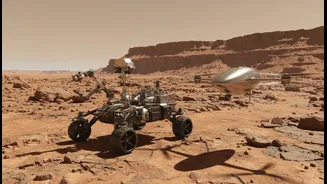
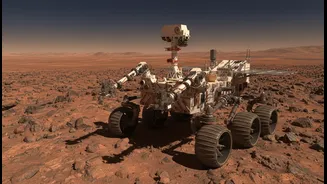
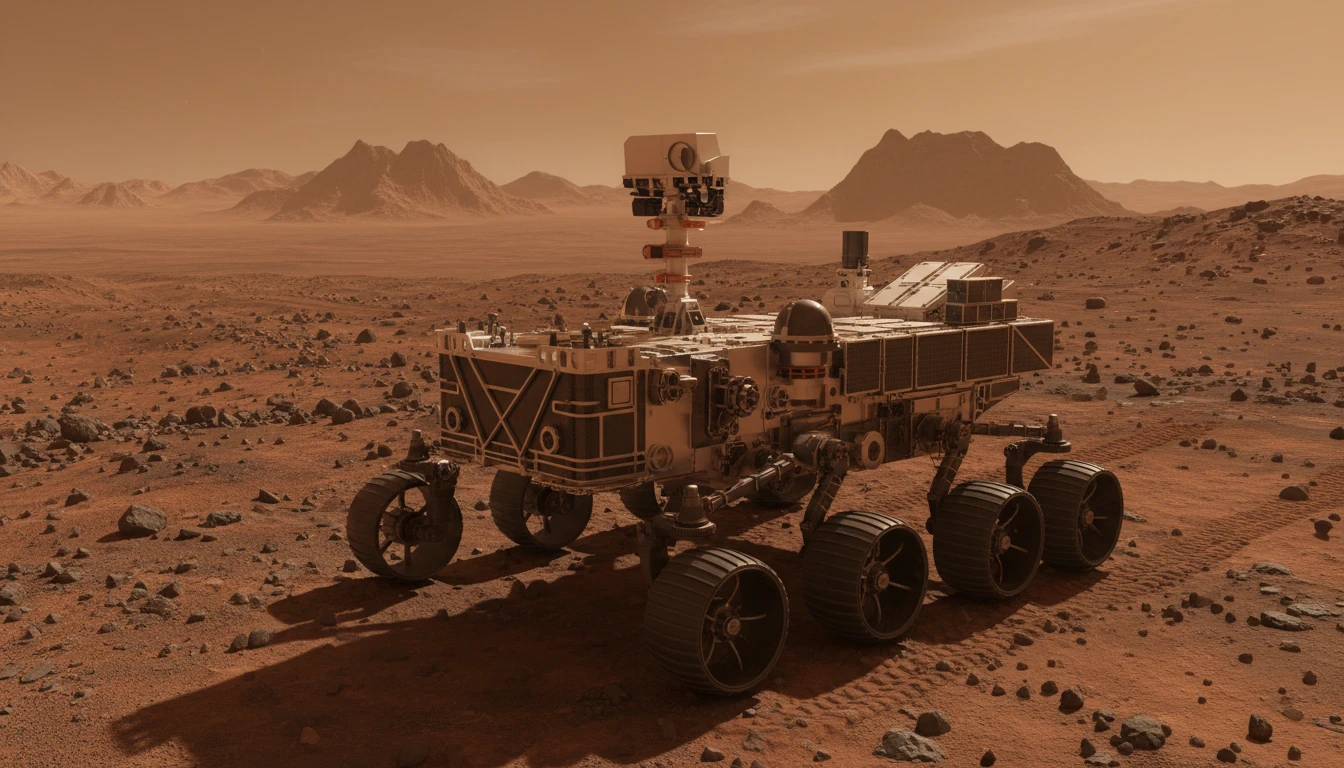
For decades, our robotic ambassadors on Mars have been six-wheeled geological explorers. From the trailblazing Sojourner in 1997 to the modern-day science labs of Curiosity and Perseverance, these rovers have crawled across the Martian landscape, revealing
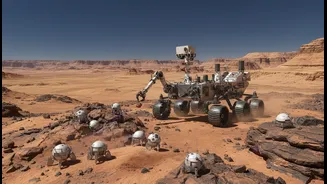
ancient lakes, complex minerals, and tantalizing hints of past habitability. Perseverance, which landed in 2021, and Curiosity, exploring since 2012, are marvels of engineering. They can analyze rock chemistry and search for signs of ancient life. However, they are also constrained. Their designs, while robust, limit them to relatively flat terrain, and their methodical pace means vast regions of the planet remain unexplored. Scientifically rich targets—like steep crater walls, canyons, and potential cave entrances—are largely off-limits. This is the fundamental challenge NASA now aims to overcome.
A New Strategy: The STRIDE Initiative
Enter the Science Transport and Robotic Innovation for Deployment and Exploration (STRIDE) initiative. In early July 2026, NASA awarded contracts to seven companies to develop new concepts for Martian mobility. With a total potential value of around $17 million, this program isn't about building a single, specific rover. Instead, it’s about fostering a diverse portfolio of ideas from the commercial sector. This marks a strategic shift, moving away from the traditional model of NASA designing everything in-house. By partnering with private companies, the agency is tapping into a wider pool of innovation, hoping to spur the development of faster, more versatile, and more resilient robotic explorers. The goal is to create systems that can travel greater distances and access the challenging terrain that current rovers can't reach.
The Contenders and Their Concepts
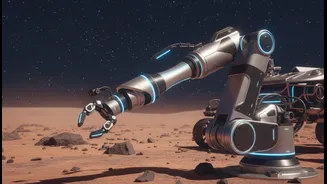
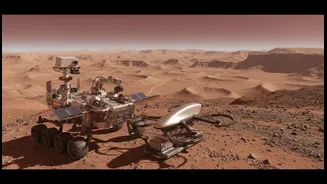
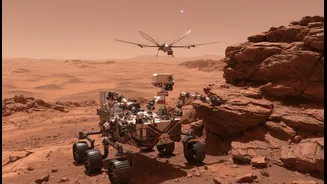
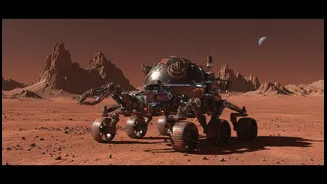
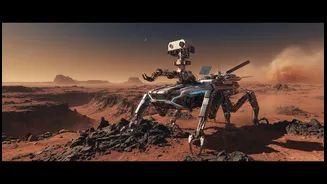
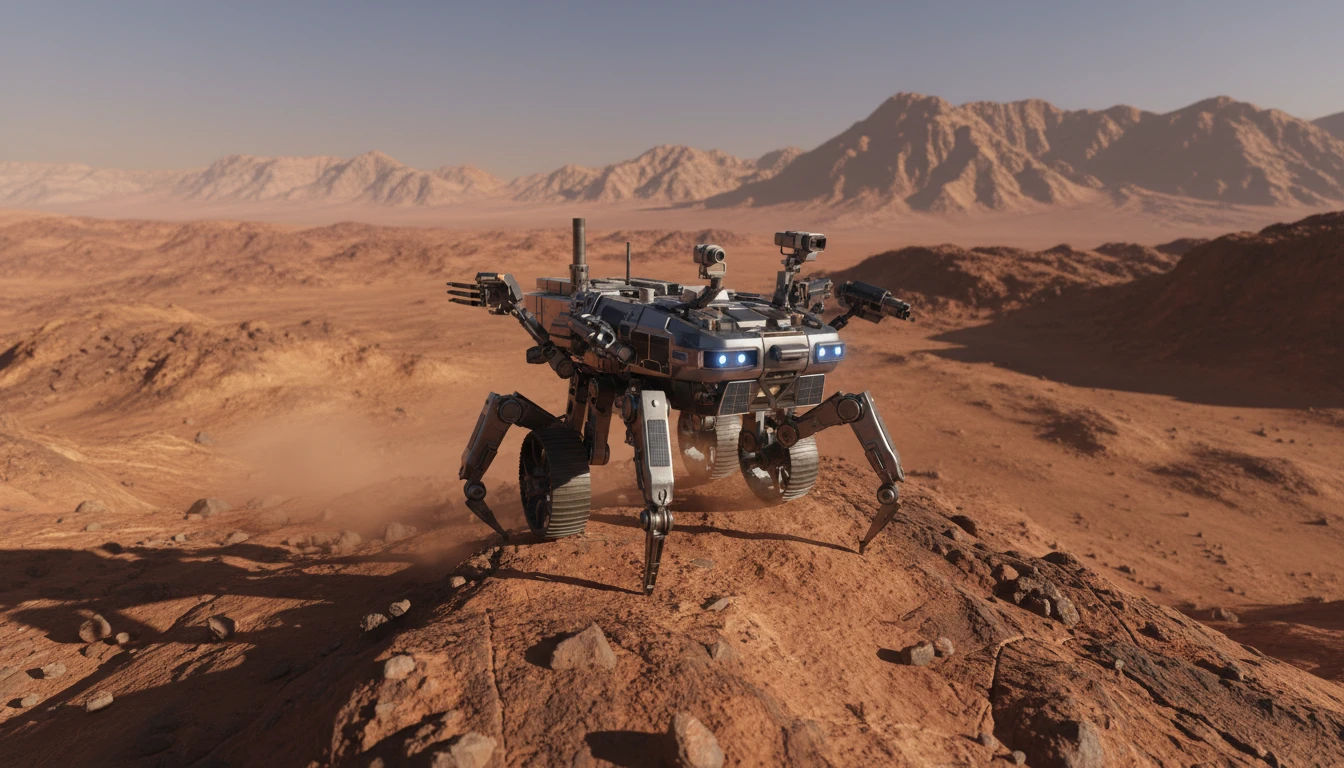
The seven companies selected represent a who's who of the burgeoning commercial space industry. The list includes Astrobotic, Intuitive Machines, and Honeybee Robotics, firms already deeply involved in NASA's commercial lunar programs. They are joined by AeroVironment, Venturi Astrolab, Ground Control Robotics, and MEI Technologies. While the exact designs are still in the conceptual phase, the focus is on a wide range of solutions. These could include advanced wheeled vehicles, legged robots capable of walking over obstacles, and even hybrid systems that combine the best of both worlds. Some may focus on high-speed, long-distance travel, while others could be designed for the specific purpose of rappelling into craters or caves. AeroVironment, for instance, has a rich history with aerial vehicles, hinting at concepts that could integrate flight with ground mobility, much like the successful Ingenuity helicopter that accompanied the Perseverance rover.
Why This Matters for Future Exploration
These new mobility systems are a critical stepping stone for NASA's long-term ambitions on Mars. The immediate scientific benefit is clear: the ability to explore previously inaccessible areas could lead to groundbreaking discoveries about the planet's geology and potential for past or present life. Faster rovers would also allow scientists to survey more ground, more quickly, making missions more efficient. Beyond pure science, these robotics are foundational for the future of human exploration. Before astronauts ever set foot on Mars, advanced robots will be needed to perform reconnaissance, scout landing sites, and potentially even help construct habitats. The technologies developed under the STRIDE program will inform the capabilities of the robotic helpers that will precede and support the first human crews. This initiative is not just about building better rovers; it's about laying the practical groundwork for a sustainable human presence on another world.