




The New Rule in Your Cup
Starting from July 2026, the FSSAI has mandated that all coffee products containing chicory must display the exact percentage of both ingredients clearly on the front of the package. This directive means no more searching through fine print. For any product labelled
as a “Coffee Blended with Chicory” or an “Instant Coffee-Chicory Mixture,” you will see a prominent declaration stating precisely how much coffee and how much chicory you are buying. The regulation aims to create a clear distinction between 100% pure coffee and blended varieties, empowering consumers to know exactly what they are paying for before they even get to the checkout counter. This move follows a period of public consultation and provides the industry with time to adapt their packaging to meet these new transparency standards.
The Enduring Story of Chicory
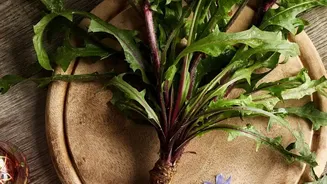
So, why is chicory in coffee in the first place? It’s a tradition with deep roots. Chicory is a plant whose root, when roasted and ground, produces a flavour that is remarkably similar to coffee, but without the caffeine. Historically, it was used as an extender during times of coffee scarcity, a practice that began in 19th-century France and spread globally. In India, particularly in the southern states, it became an integral part of the filter coffee culture. Many came to love the distinct taste it adds—a less acidic, slightly woody and nutty flavour that gives the brew a fuller body and a rich, dark colour. Beyond tradition and taste, chicory is also significantly cheaper than coffee beans, making blends more affordable for a wider audience.
More Than Just Flavour
While some coffee purists view chicory as an adulterant, it has its own set of benefits. The root is a rich source of inulin, a prebiotic fibre known to support gut health and aid digestion. Since it’s naturally caffeine-free, a blend with chicory can lower the overall caffeine content of your cup, which can be ideal for those sensitive to stimulants or who enjoy a late-evening beverage. For decades, the ratio of coffee to chicory has been a crucial element in creating the perfect 'degree coffee' or 'filter kaapi'. Blends can range from having a small amount of chicory (15-20%) for a subtle flavour shift to a much higher percentage (up to 49%) for a bolder, more economical brew.
How This Empowers Your Shopping
The FSSAI's new labelling requirement is a straightforward win for consumer rights. Previously, while the presence of chicory was mentioned, the exact proportions were not always clear at a glance. Now, that ambiguity is gone. This transparency allows you to make an informed choice based on your personal preferences for taste, budget, and caffeine intake. If you are a fan of traditional South Indian filter coffee, you can now easily find the blend with the exact coffee-to-chicory ratio you prefer. If you are seeking 100% pure coffee, the new labels make it easier to distinguish those products from the blends. This move ensures that marketing claims are backed by clear, factual information right on the front of the pack.