





The Agricultural Heartbeat
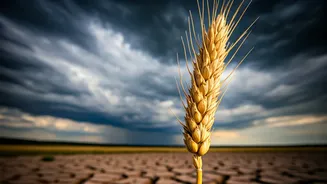
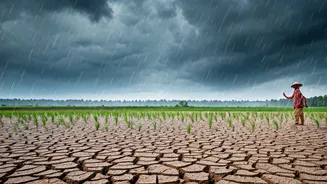
The most immediate and obvious impact of a weak monsoon is on agriculture. The southwest monsoon is the lifeblood for the Kharif cropping season, which accounts for nearly half of India's annual grain production. With nearly half of the country's farmland
still dependent on rain, a deficit can be devastating. Lower-than-average rainfall delays sowing, reduces soil moisture, and can lead to lower crop yields for staples like rice, pulses, and oilseeds. This directly affects the income of millions of farmers and agricultural laborers, who make up a significant portion of the workforce. A struggling rural economy means lower demand for goods and services, with sectors like tractors, fertilizers, and fast-moving consumer goods (FMCG) feeling the pinch.
From Fields to Your Kitchen
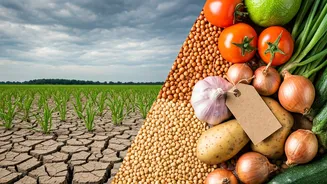
The ripple effects of a poor harvest quickly reach the kitchens of households across the country. Reduced agricultural output tightens the supply of essential food items, creating a direct path to food inflation. Vegetables, pulses, and edible oils are particularly vulnerable to these supply shocks, and their price spikes can significantly impact household budgets. This not only affects the purchasing power of families but also presents a major challenge for the Reserve Bank of India, which has repeatedly flagged food price volatility as a key risk to managing the nation's inflation targets. Expectations of a weak monsoon can themselves fuel inflation, as fears of shortages can lead to hoarding by traders.
Power and Water Woes
The monsoon's influence extends to the switches in our homes and the taps in our cities. A significant portion of India's electricity comes from hydropower, which depends on rivers and reservoirs being replenished by monsoon rains. A deficient monsoon means lower water levels in reservoirs, which can curtail hydropower generation. This puts increased pressure on thermal power plants, which primarily use coal, potentially raising electricity production costs and straining fuel supplies. Furthermore, the monsoon is critical for recharging groundwater and filling reservoirs that supply drinking water to both urban and rural areas. A weak season can intensify water scarcity, forcing authorities to impose restrictions and highlighting the growing gap between water demand and supply.
The Broader Economic Picture
When these individual sectors are affected, the impact is felt across the entire national economy. Agriculture, despite its declining share of GDP, remains a crucial driver of overall growth. Slower agricultural growth can shave points off the country's GDP forecast. A fall in rural incomes weakens consumer demand, creating a drag on economic activity. At the same time, the government may face increased fiscal pressure as it potentially has to spend more on rural relief measures or import food to stabilize prices. While some argue that India's economy is now more resilient to a weak monsoon due to better irrigation and structural reforms, the interconnectedness of agriculture, water, energy, and household spending means its performance remains a critical variable for economic stability.