




Ghevar: The Royal Monsoon Disc
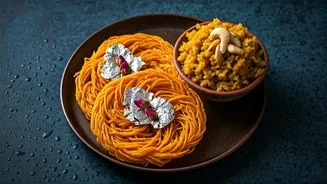
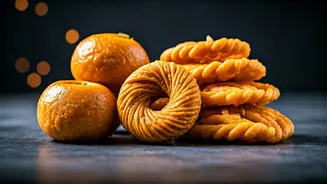
This disc-shaped, honeycomb-like sweet is a Rajasthani specialty that is almost synonymous with the monsoon. [5] Its preparation is an art form that benefits from the higher humidity in the air, which helps create its signature crispy and porous texture.
[5, 16] Traditionally enjoyed during the festivals of Teej and Raksha Bandhan, which fall in the rainy season, Ghevar is more than just a dessert; it's a celebration of the rains. [5, 7] Made from a batter of flour and ghee that is deep-fried and then soaked in sugar syrup, it has a delightful crunch. [5, 8] It can be enjoyed plain or, for a more decadent experience, topped with rabri (thickened sweet milk), mawa, or fresh fruits. [2, 13]
Hot Jalebi: The Crispy, Syrupy Spiral
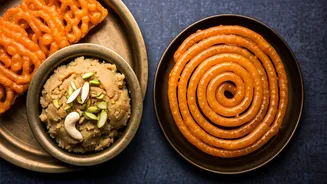
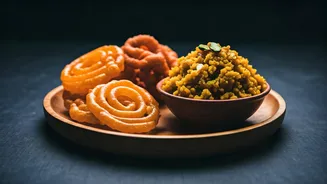
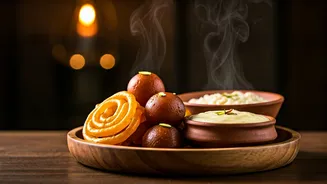
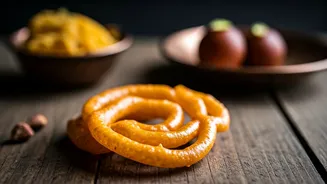
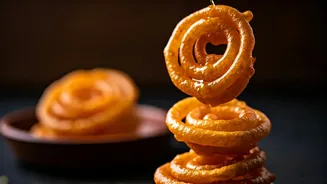
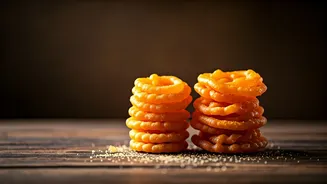
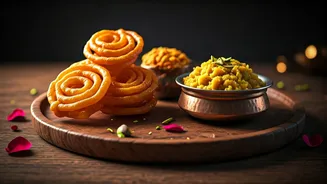
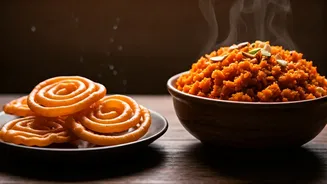
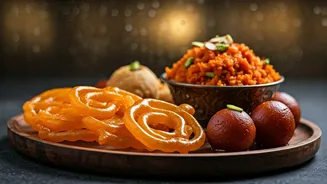
There are few sights more tempting on a rainy day than watching spirals of jalebi being fried to a perfect golden crisp before being dunked into fragrant sugar syrup. [11] Made from a fermented batter of flour and yoghurt, jalebis have a delightful chewiness that contrasts with their crispy exterior. [2] Enjoying them hot is non-negotiable, as the warmth provides instant comfort from the damp weather. [11] For the ultimate indulgence, pair hot jalebis with a scoop of cool, creamy rabri. [19] This combination of temperatures and textures—crisp, soft, warm, and cool—is a heavenly experience that many consider a quintessential monsoon treat. [18]
Moong Dal Halwa: A Spoonful of Warmth
While often associated with winter, the warmth and richness of Moong Dal Halwa make it a perfect dessert for a cool, rainy evening. [11] This classic Rajasthani dessert is made from yellow moong dal, slow-cooked in generous amounts of ghee until it develops a nutty aroma and a granular, melt-in-your-mouth texture. [11] The process is a labour of love, but the result is a deeply satisfying and comforting sweet. The use of ghee is believed to provide energy and warmth, making it an excellent choice for the damp and chilly weather that accompanies the monsoon. [11] It's a rich, hearty dessert that feels like a warm hug in a bowl.
Malpua: The Indian Pancake
Often described as India's answer to the pancake, malpua is a soft, fluffy dessert that is popular across the country, especially during the monsoon. [2, 9, 12] These small pancakes are typically made from a batter of flour, milk, and sometimes semolina or banana, and flavoured with fennel and cardamom. [12, 13] They are deep-fried until the edges are crisp and the centre is soft, then soaked in sugar syrup. [12] Served warm, often with a drizzle of rabri or a garnish of chopped nuts, malpuas are an incredibly comforting and indulgent treat. [11, 12] Their simple, rustic charm makes them a beloved sweet for rainy days.
Patoleo: A Steamed Goan Delight
Moving to the coastal regions, Patoleo from Goa is a unique monsoon dessert. These are delicate rice cakes filled with a sweet mixture of freshly grated coconut and jaggery. [9] What makes them truly special is that they are steamed inside fresh turmeric leaves, which impart a subtle, fragrant aroma to the sweet. This steamed dessert is a lighter alternative to its fried counterparts but is no less delicious. It’s a perfect example of how regional cuisines use seasonal ingredients to create treats that are perfectly suited to the weather.
Kheer/Payasam: The Creamy Classic
A bowl of warm kheer or payasam is the ultimate comfort food, and it's particularly soothing during the monsoon. [11, 15] This creamy pudding, made by boiling rice, vermicelli, or tapioca with milk and sugar, is a staple across India. [10] Flavoured with cardamom, saffron, and garnished with nuts and raisins, it is both simple and elegant. [10, 13] Served warm, it provides a feeling of cosiness and well-being, making it the perfect end to a meal on a rainy day. Variations are endless, from a classic rice kheer to a jaggery-based payasam that offers a deeper, earthier sweetness. [15]