








The Social Media Effect
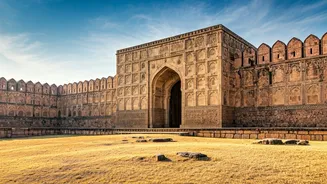
In an age dominated by visual storytelling, Delhi's forts have found a new calling as premier photo-shoot locations. The intricate Mughal architecture, sprawling lawns, and dramatic sandstone walls of places like Humayun's Tomb, Safdarjung's Tomb, and the
Red Fort offer a perfect canvas for the curated aesthetics of Instagram and TikTok. Young creators and casual visitors alike are drawn to the interplay of light and shadow, the texture of ancient stone, and the undeniable grandeur that requires no filter. It’s a trend that goes beyond simple selfies; it's about creating content, telling a personal story against a historical backdrop, and capturing a vibe that is both timeless and perfectly on-trend.
An Affordable Escape
For a generation navigating rising costs, the economic appeal of a day at the fort is undeniable. A trip to a high-end mall, a movie, or a trendy cafe can quickly add up. In contrast, the entry fees for most ASI-protected monuments are remarkably affordable for Indian citizens. A visit to Sunder Nursery or Lodhi Garden offers vast green spaces for picnics and relaxation at little to no cost. This makes forts and other heritage sites a wallet-friendly alternative for socialising. It’s a low-investment, high-reward outing, providing a full day's worth of engagement without the financial pressure of other urban leisure activities.
A Search for Authentic Experiences
After years of digital saturation and pandemic-induced isolation, there is a growing hunger for tangible, authentic experiences. Young people are increasingly looking to connect with their roots and local environment in a meaningful way. Visiting a fort is an active, physical experience—walking through history, feeling the coolness of stone walls, and imagining the lives that unfolded within them. This desire for authenticity is also a quiet rebellion against the homogenised culture of globalised cafes and retail chains. Forts offer a unique sense of place that cannot be replicated, grounding visitors in the specific history and identity of Delhi.
The Evolution of Heritage Spaces
Delhi's forts are no longer just static museums of the past. Many have evolved into dynamic cultural hubs. Hauz Khas Village famously blends its medieval ruins with a vibrant social scene of boutiques and cafes. The area around the Qutub Minar hosts festivals, and the lawns of Sunder Nursery have become a favourite spot for winter picnics and cultural events. The recent introduction of activities like boating at Purana Qila has also led to a noticeable increase in visitors. By integrating modern amenities and experiences, these sites have made themselves more welcoming and relevant to a younger crowd that seeks not just education, but also recreation and community.
History, But Make It Interesting
For many, school history lessons were a dry recitation of dates and dynasties. Today’s youth are approaching the past on their own terms. They are drawn to the human stories, the architectural marvels, and the dramatic narratives that these forts contain. Without the pressure of an exam, they can engage with history as a story they can literally walk through. This self-directed learning, often aided by podcasts, YouTube documentaries, and QR-code-based information, feels more personal and engaging. It’s about discovering the 'why' behind the walls, not just memorising the 'who' and 'when'.