






The Unseen Rhythms of the Land
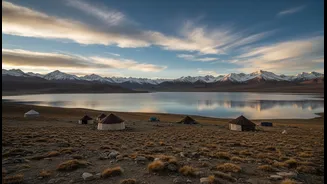
When we speak of a “pastoral calendar,” we’re not talking about a document hanging on a wall. It is the lifeblood of communities like the Bakarwal and Gaddi in the Himalayas or the Raika in Rajasthan. This calendar is a deep, generational knowledge of the land,
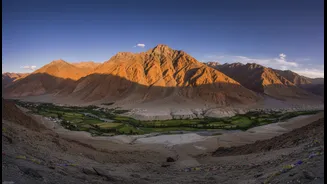
dictating the seasonal migration known as transhumance. Herders move their livestock—sheep, goats, yaks—from low-lying plains in the winter to high-altitude pastures in the summer. This isn’t a random stroll; it’s a meticulously timed journey synchronised with climate, the availability of fodder, and the breeding cycles of animals. It is a sustainable practice that has allowed both people and ecosystems to thrive for centuries, ensuring that pastures are not overgrazed and that livestock have the best conditions for survival.
When Convenience and Tradition Collide
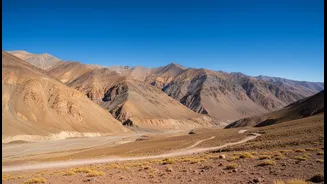
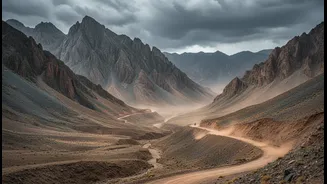
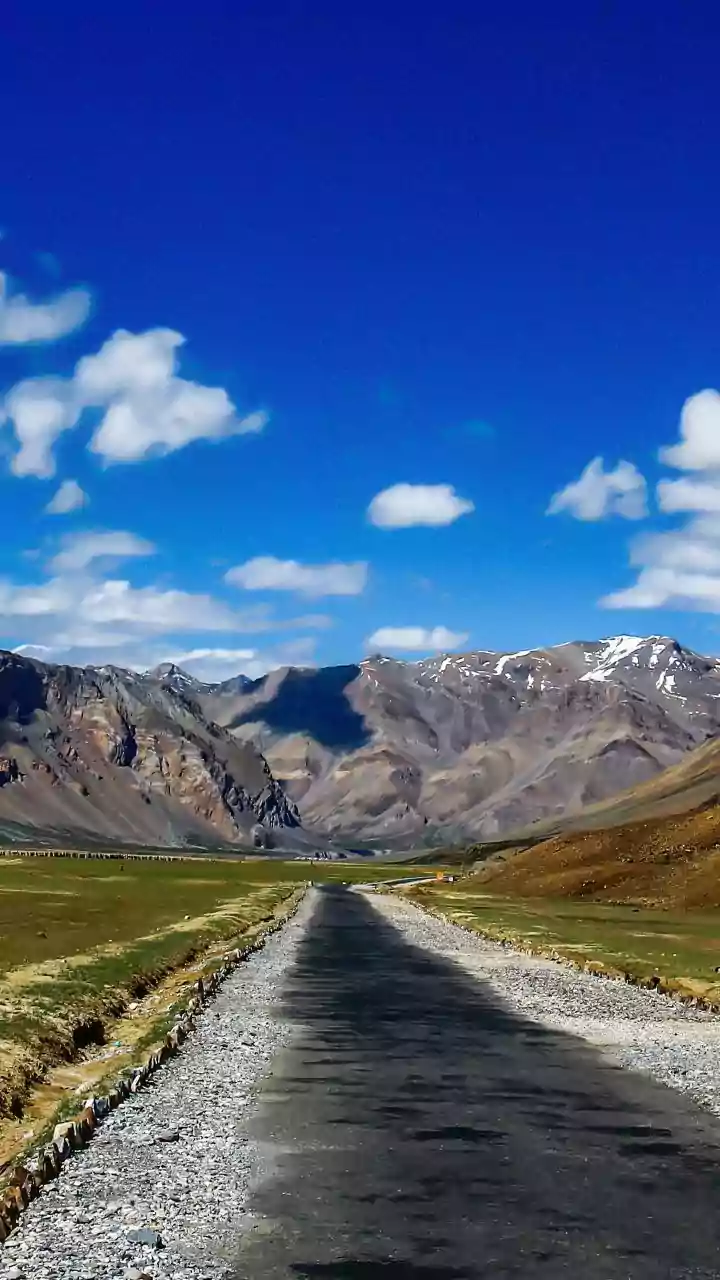
The conflict arises when the modern world’s demand for convenience slams into these ancient rhythms. The tourist’s desire for a year-round open road directly threatens the migration routes that have existed for generations. New highways, resorts, and expanding towns sever these traditional corridors, forcing herders onto dangerous roads where their livestock are often killed in accidents. In some areas, government policies aimed at creating national parks or wildlife sanctuaries have outright banned grazing, effectively evicting pastoralists from the very lands they have sustainably managed for centuries. Ironically, many of these “protected” areas are then developed for eco-tourism, creating a landscape that serves visitor interests while erasing the local way of life.
The Ecological and Economic Fallout
Ignoring the pastoral calendar is not just a cultural blunder; it’s an ecological and economic one. These migratory practices are a form of expert land management. The movement of herds fertilises the soil, disperses seeds, and controls the growth of underbrush that could fuel forest fires. When pastoralists are removed, studies have shown it can lead to a decline in vegetation diversity and an increase in human-wildlife conflict. Economically, the contribution of these communities is immense but often invisible in official data. Pastoralists are major contributors to India’s milk and meat supply. One report estimated the value of the ecosystem services provided by pastoralists in Jammu & Kashmir alone at nearly Rs 6,000 crore annually. Pushing them out of their livelihood leads to their impoverishment and the loss of this hidden economic engine.
A Call for Conscious Travel
This is not an argument against tourism, but a call for a more conscious and respectful form of it. The solution isn't to stop exploring our beautiful country, but to change our mindset as travellers. True travel should involve adapting to the destination, not demanding that it adapt to us. This means supporting businesses that work with local communities, travelling in seasons that don’t disrupt local life, and educating ourselves about the places we visit. It means understanding that a blocked road might not be an inconvenience, but a sign of a vital, living culture in motion. Some parts of the world are now creating dedicated corridors for pastoral migration, a model that acknowledges their importance. Prioritising the needs of a place over the whims of a visitor is the foundation of genuine sustainable tourism.