






The Catalyst: It's About Speed, Not Just Volume
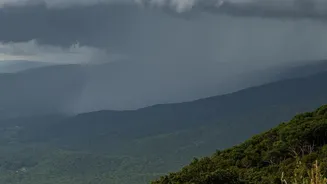
The primary trigger for most flash floods is intense rainfall. However, the key isn't just the total amount of rain, but the rate at which it falls. Think of it like pouring water into a funnel. A slow, steady trickle gets through easily, but dumping
a full bucket all at once causes an immediate overflow. When thunderstorms stall or move slowly over an area, they can deposit an enormous volume of water in a very short period—often within six hours or less. This rapid accumulation overwhelms the natural and man-made drainage systems, initiating the chain of events that leads to a flash flood.
The Sponge Effect: When the Ground Can't Absorb Anymore
The ground is our first line of defence against flooding, acting like a giant sponge. But every sponge has its limit. Soil that is already wet or saturated from previous rains cannot absorb much more water. When heavy rain falls on this saturated ground, the water has nowhere to go but to run off the surface almost immediately. This issue is magnified in urban areas, where concrete and asphalt create vast impervious surfaces that prevent water from soaking in at all. Interestingly, very dry, compacted soil can also increase risk; it can be so hard that it initially repels water, causing rapid runoff before it has a chance to soften and absorb moisture.
The Amplifier: How Steep Slopes Turn Water into a Weapon
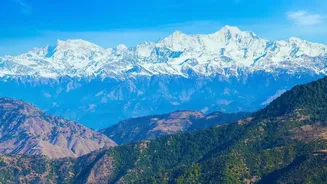
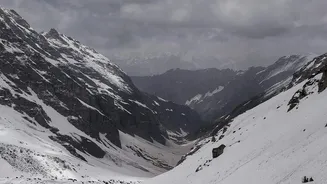
Topography, especially in hilly and mountainous regions, plays a crucial role in accelerating flash floods. Steep slopes act as a powerful amplifier for runoff. Water doesn't have time to seep into the ground as it races downhill, gaining speed and energy. In regions like the Himalayas, this fast-moving water can collect in narrow valleys and gullies, creating a concentrated and destructive torrent. This force is strong enough to carry along debris like rocks, soil, and uprooted trees, transforming the flood into a far more dangerous debris flow that can sweep away roads, bridges, and homes.
The Choke Point: Overwhelmed Rivers and Channels
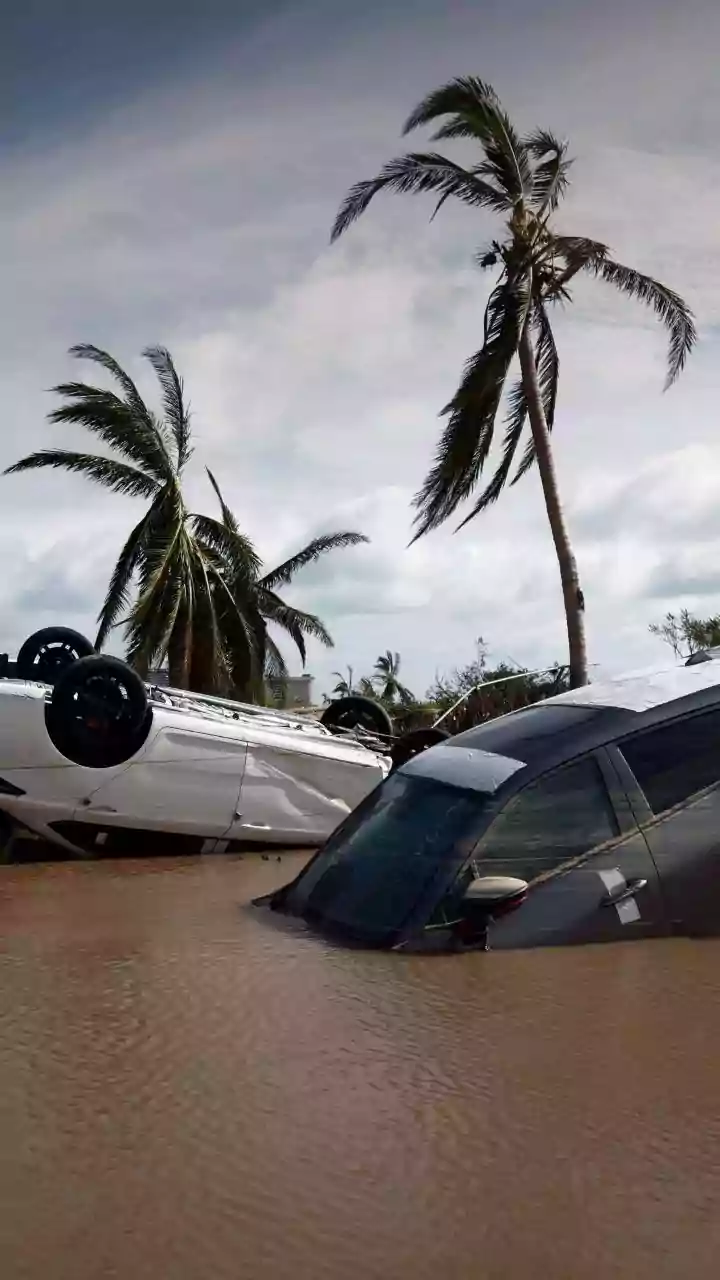
All of this rapidly moving runoff eventually finds its way into streams and rivers. Normally, these channels can manage a certain flow of water. But during a flash flood event, they are hit with a volume and velocity of water that far exceeds their capacity. Small creeks can swell to become deep, violent rivers in under an hour. The water rises quickly, overtopping the banks and inundating low-lying areas. In many cases, especially in narrow valleys or areas where the river channel is constricted by development, this overflow happens with explosive force, giving people little to no time to react or evacuate.
The Human Factor: A Dangerous Contribution
While rain, soil, and slopes are natural factors, human activity often makes a bad situation worse. Deforestation on hillsides removes trees that help absorb rainfall and hold soil in place, increasing the speed and volume of runoff. Unplanned construction that encroaches on floodplains and blocks natural drainage paths leaves less room for overflowing rivers. The alteration of river flows for dams and canals can also change the hydrology of a region. These actions reduce the landscape's natural resilience, meaning that even moderate rainfall events can sometimes trigger flash floods in areas where they might not have occurred naturally.