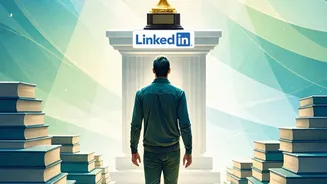









The Rise of the LinkedIn 'Broem'
You know the format even if you don't know its name. A short, dramatic first line. Then a series of single-sentence paragraphs, each hanging in space. It often tells a personal story—a moment of failure, a talk with a wise stranger—that pivots into a neat
business lesson. This style, sometimes called 'broetry', has become a dominant content form on the professional networking site. This is often accompanied by 'humble-brags' and posts that feel engineered for engagement rather than genuine connection. Users have increasingly complained that their feeds are filled with a never-ending stream of AI-generated content, fake productivity hacks, and people congratulating themselves. The result is a user experience that can feel inauthentic and repetitive, leaving many to wonder what happened to the professional networking hub they once knew.
An Algorithm That Rewards Formula
The shift in content isn't happening by accident; it's a direct response to how LinkedIn's algorithm works. Like other social platforms, LinkedIn's feed is designed to maximize engagement—likes, comments, and especially dwell time. The 'broem' format, with its ample white space, forces users to slow down and spend more time on a post, signaling to the algorithm that the content is valuable. However, LinkedIn has begun to recognize the problem of low-quality, engagement-baiting content. In 2026, the company started cracking down on these posts, aiming to prioritize expertise and meaningful conversation over manufactured virality. The platform even introduced a reporting option for 'AI slop' in July 2026, which was used over a million times in its first two weeks, leading to a reported 40% reduction in views of such content. The algorithm is now designed to favor depth, relevance, and credibility, penalizing the very tactics it once rewarded.
The Job Seeker's Dilemma
For those actively looking for work, this landscape presents a paradox. On one hand, the feed is cluttered with noise, making it harder to find genuine industry insights and connect with peers. On the other hand, LinkedIn remains the undisputed king of professional recruiting. A staggering 95% of recruiters use the platform to find candidates. This makes having a presence on the site non-negotiable for most professionals in corporate, tech, or knowledge-work fields. The platform has essentially split into two distinct products: a noisy, often cringey social media feed, and a powerful, indispensable database of professional profiles that hiring managers search daily. The challenge for job seekers is to leverage the latter while navigating, or simply ignoring, the former.
How to Make LinkedIn Work For You
Despite the feed's shortcomings, LinkedIn's value for job seekers remains immense if used strategically. The key is to treat it less like a stage for performance and more like a utility. First, focus on your profile. This is your digital resume, and it needs to be optimized with relevant keywords, a clear headline, and a summary that highlights your accomplishments, not just your responsibilities. Use the 'Open to Work' feature to signal to recruiters that you are available. Secondly, use the platform for targeted networking. Instead of scrolling the feed, join industry-specific groups and send personalized connection requests to recruiters and people at companies you admire. Many jobs are filled through these direct connections before they are ever posted publicly. Finally, be strategic with the job board. Use alerts for specific keywords and sort by 'new' to apply for roles early, increasing the chances your application is seen. By focusing on your profile and direct outreach, you can tap into LinkedIn’s power without getting bogged down by the performative content on the main feed.