


The Science of Steam and Sog
When you place a lid or a layer of foil over a hot dish, you're doing more than just keeping it warm; you're creating a miniature steam room. As the food heats up, its natural moisture turns into water vapor. With nowhere to go, this vapor gets trapped,
condenses on the lid, and drips back onto the food. This enclosed, humid environment effectively steams the food. While steaming is a valid cooking method, it's the direct enemy of crispiness. Instead of a golden-brown surface, you get a soft, often pale, and sometimes mushy texture.
The Chemistry of the Crisp
That desirable browning and savory flavor on roasted or seared food comes from a chemical process called the Maillard reaction. This reaction, a complex dance between amino acids and sugars, kicks in at higher temperatures, typically starting around 140°C. However, it has a significant roadblock: water. As long as there is moisture on the surface of the food, the temperature will struggle to get much past the boiling point of water (100°C), which is too low for significant browning to occur. By leaving a dish uncovered, you allow that surface moisture to evaporate. This lets the surface dry out and heat up, paving the way for the Maillard reaction to work its magic and create that delicious, crispy crust.
When to Embrace the Cover
Trapping steam isn't always a culinary crime. In fact, it’s essential for certain cooking methods. When your goal is moisture and tenderness, a lid is your best friend. This is the principle behind braising tough cuts of meat, like a chuck roast, where a long, slow cook in a moist environment breaks down tough connective tissue into succulent, tender bites. It's also perfect for gently steaming vegetables to keep them tender-crisp or for cooking dishes where you need liquid to be absorbed, not evaporated, such as rice. Covering can also prevent dishes from drying out during long bakes or keep food warm without it becoming desiccated.
The Uncovered Advantage
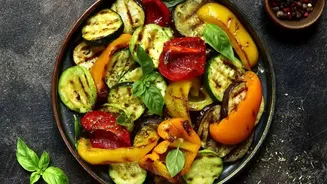
For the love of crunch, keep the lid off. This is the golden rule for anything you want to be crispy, browned, or roasted. Think of crispy-skinned roasted chicken, perfectly browned potatoes, and caramelized vegetables. To achieve this, heat needs to circulate freely, and moisture needs a clear escape route. Overcrowding a pan can create a similar soggy effect, as the food items trap steam between them, preventing browning. For best results, give your food space on an open baking sheet or even use a wire rack to allow for maximum air circulation and moisture escape.
Mastering the Hybrid Technique
Experienced cooks often use a two-stage approach, leveraging the benefits of both covered and uncovered cooking for a single dish. A common technique is to start a dish covered to cook it through and retain moisture, then remove the cover for the final stage of cooking to brown and crisp the surface. This works beautifully for casseroles, roasts, or even a whole chicken. For example, if you notice the skin on your chicken is browning too quickly before the inside is cooked, you can cover it with foil to shield it until the meat reaches the right temperature. This hybrid method gives you the best of both worlds: a fully cooked, tender interior and a perfectly golden-brown exterior.