
Understanding a Cat’s World of Scent
For humans, sight is our dominant sense. For cats, their world is primarily defined by smell. Felines have about 200 million scent sensors in their noses, making their olfactory abilities incredibly powerful. They use this sense to communicate, identify
territory, and feel secure. Cats have scent glands on their cheeks, chin, forehead, paws, and tail. When they rub against you, the furniture, or another cat, they are depositing pheromones—unique chemical signals that act as messages. This scent marking can signify ownership, comfort, and social bonds. A familiar scent tells a cat they are in a safe, known environment, while a strange scent can signal an intruder, causing stress and anxiety.
What Is Scent Swapping?
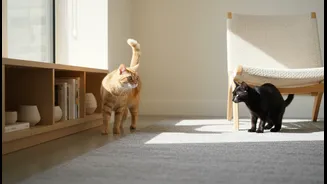
Scent swapping is a foundational technique for cat introductions that leverages this natural form of communication. It involves gradually and safely introducing the cats to each other’s smell before they ever meet face-to-face. By exchanging items like blankets, beds, or toys, you allow each cat to investigate the other’s scent in a controlled, non-threatening manner. The goal is for the new cat's scent to become a normal, neutral, or even positive part of the resident cat’s environment, and vice versa. This pre-introduction phase helps reduce fear and territorial aggression, setting the stage for a much smoother first meeting.
A Step-by-Step Introduction Plan
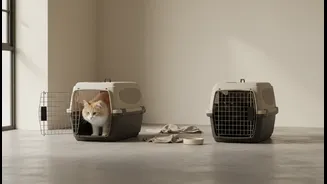
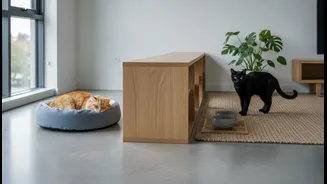
Patience is the most important tool you have. Rushing introductions is the most common reason they fail. First, set up a dedicated “sanctuary room” for your new rescue cat, complete with their own litter box, food, water, and toys. For the first few days, the cats should be completely separate, allowing them to only hear and smell each other from under the door. Next, begin the scent swap. Take a soft cloth or sock and gently rub it on your new cat's cheeks and head to collect their pheromones. Place this cloth in your resident cat’s territory, perhaps near their food bowl to create a positive association. Do the same with a separate cloth for your resident cat and place it in the new cat’s room. You can also swap their bedding or a favorite soft toy. Do this daily so the scent remains fresh. After a few days of calm behaviour, you can progress to “site swapping,” where you let the new cat explore the main house while the resident cat spends time in the sanctuary room, allowing them to fully immerse themselves in each other's scent.
Reading the Signs and Moving Forward
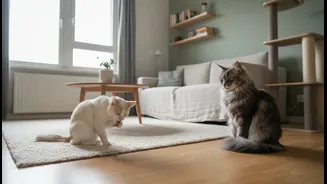
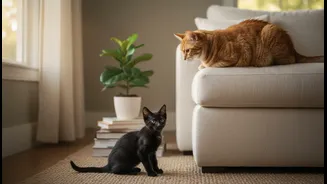
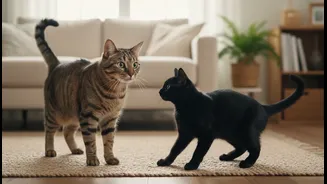
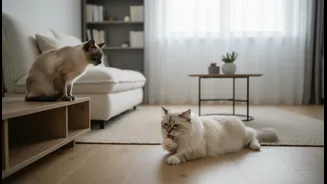
Pay close attention to each cat’s reaction. If a cat sniffs the scented item with curiosity and then moves on, it’s a great sign. Hissing, growling, or avoiding the item means you need to slow down and give them more time. Never force a cat to interact with the scent; the goal is passive exposure that they can control. Forcing contact can make the scent feel like a territorial invasion rather than a gentle introduction. Once both cats are consistently calm about the exchanged scents and site swapping, you can allow a brief visual introduction through a barrier, like a baby gate or a slightly cracked door. Keep these sessions short and positive, using treats or toys to reward calm behaviour. Only after many successful visual meetings should you attempt a supervised, face-to-face interaction in a neutral room. Always ensure there are easy escape routes, and end the meeting on a positive note before anyone gets stressed.