
Nepal: The Open Border Experience
Nepal offers the most straightforward overland journey for Indian citizens, thanks to the 1950 Indo-Nepal Treaty of Peace and Friendship. This agreement permits free movement of people, which translates to a remarkably simple border crossing. Indian nationals
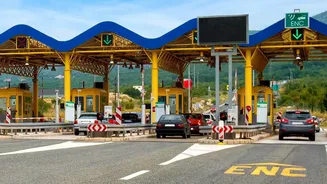
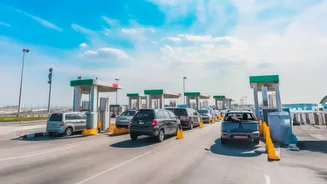
do not require a visa or even a passport to enter Nepal by road. A valid government-issued photo ID like a Voter ID card or Aadhaar card is generally sufficient for entry. The most popular land border crossings are Sunauli (near Gorakhpur, UP), Raxaul (Bihar), and Panitanki (West Bengal). The process is often as simple as having your documents checked and waved through, with formalities taking as little as 30 minutes.
Bringing Your Vehicle to Nepal
Taking your own car or motorbike into Nepal is also a simplified process. At the border, you need to visit the Nepali Customs office ('Bhansar') to obtain a temporary vehicle import permit. For this, you'll need your original Vehicle Registration Certificate (RC), a valid driving license, and a Pollution Under Control (PUC) certificate. A daily fee is charged for this permit, which allows you to drive your Indian-registered vehicle legally within Nepal for a specified duration, typically up to 30 days. This system avoids the complex and expensive 'Carnet de Passages' document required by many other countries.
Bhutan: The Land of Gross National Happiness
Like Nepal, Bhutan does not require a visa for Indian citizens. However, the process is more regulated. To enter, Indians need an 'Entry Permit', which can be obtained on arrival at the Phuentsholing land border (opposite Jaigaon, West Bengal) or online in advance. A valid Indian Passport with at least six months of validity or a Voter ID Card is mandatory. Aadhaar cards are not accepted for entry into Bhutan. Since 2020, a Sustainable Development Fee (SDF) of ₹1,200 per person, per night is required for Indian tourists. While not entirely free, this process is significantly simpler than a typical visa application.
Vehicle Rules for Bhutan
To drive your own vehicle into Bhutan, you must get a separate vehicle permit from the transport department, in addition to the individual entry permits. This is also done at the Phuentsholing border. The entry permit initially allows travel only to Thimphu and Paro. If your road trip itinerary includes destinations beyond these two cities, such as Punakha or Bumthang, you must apply for a 'Route Permit' from the Immigration Office in Thimphu. This requires an extra step but is a routine process for tourists.
Myanmar and Thailand: The Adventurous Route
The overland route to Thailand through Myanmar is the stuff of road trip legends. While possible, it's far from simple and requires significant planning. Crossing the India-Myanmar border at Moreh-Tamu requires a valid passport and a pre-arranged e-visa for Myanmar. Additionally, travelers often need special permits and may be required to travel with a guide, which can be costly and must be arranged through tour agencies. The situation at land borders can change, so verifying the latest rules is critical. As of mid-2026, Thailand has moved away from its visa-exemption scheme for Indians, reintroducing a Visa on Arrival (VoA) for a 15-day stay, which carries a fee and must be paid in cash. For a road trip, this means you would need to plan your timeline carefully to enter and exit within the permitted visa duration.
The Key Document: Carnet de Passages
For countries beyond Nepal and Bhutan, a Carnet de Passages en Douane (CPD) is often mandatory for your vehicle. The CPD is like a passport for your car, acting as an international guarantee that you will re-export your vehicle. It allows you to temporarily import your vehicle without paying hefty customs duties. Obtaining a CPD in India involves a significant financial deposit, often a percentage of the vehicle's value, with an authorized automobile association. This is a critical and expensive step for serious overland expeditions into countries like Bangladesh, Myanmar, and beyond.