






What is Humidity Skincare?
Let’s clear one thing up: “humidity skincare” isn’t a new category of products you have to buy. Instead, it’s a smart and intuitive approach to understanding how your environment affects your skin and adapting accordingly. Think of it less as a strict
regimen and more as a conversation with your complexion. When the air is thick with moisture, your skin behaves differently than when it's dry. This approach is simply about making intelligent swaps in your routine to keep your skin balanced, whether you're dealing with a sticky monsoon season or the dry air of a heated office.
How Humidity Actually Affects Your Skin
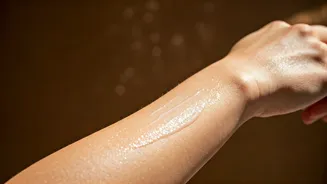
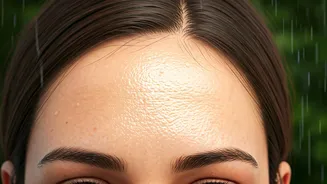
The level of water vapor in the air, or humidity, has a direct and significant impact on your skin. Dermatologists suggest an optimal humidity level for skin health is between 40% and 60%. When you venture outside this range, your skin starts to react. In high humidity (above 60%), the air is saturated with moisture. This can be a good thing, as it helps keep your skin hydrated. However, it also signals your sebaceous glands to produce more oil and causes you to sweat more. This combination of sweat and excess sebum can lead to clogged pores, a greasy feeling, and can create a perfect breeding ground for acne-causing bacteria. Conversely, in low humidity (below 40%), the dry air can draw moisture out of your skin, leaving it feeling tight, flaky, and more prone to irritation and the appearance of fine lines.
Your High-Humidity Toolkit
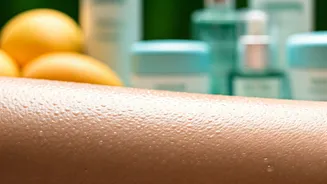
For those living in India, high humidity is a familiar challenge for much of the year. The key to managing it isn't to strip your skin of all moisture, but to switch to lighter layers. Swap out heavy, creamy cleansers for gentle foaming or gel-based formulas that can effectively remove excess oil and sweat without disrupting your skin barrier. When it comes to moisturizing, put aside the rich creams you might use in winter. In humid weather, your skin will thank you for lightweight, water-based or gel-based moisturizers that provide hydration without feeling heavy or greasy. The goal is to feel hydrated and fresh, not suffocated by your own skincare.
Star Ingredients for Sticky Weather
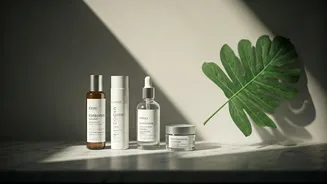
When building your humidity-proof routine, a few key ingredients are particularly heroic. Hyaluronic Acid is a humectant, meaning it draws moisture from the air and binds it to your skin, providing lightweight hydration. Niacinamide is another superstar; this form of vitamin B3 is brilliant at regulating oil production, minimizing the appearance of pores, and strengthening the skin barrier. For keeping pores clear, a gentle exfoliant like Salicylic Acid can be a game-changer. It's oil-soluble, which means it can get deep into pores to dissolve the gunk that leads to breakouts. Incorporating products with these ingredients can help you stay ahead of shine and congestion.
A Simple A.M. and P.M. Plan
Navigating humidity skincare doesn't require a dozen new steps. A simple, effective routine is your best bet. For the morning, start with a gentle cleanse, followed by an antioxidant serum (like one with Vitamin C) to protect against environmental damage. Follow that with a lightweight, gel-based moisturizer and, most importantly, a non-greasy, broad-spectrum sunscreen with at least SPF 30. In the evening, it’s crucial to wash the day away. Consider a double cleanse—starting with an oil-based cleanser to break down sunscreen and makeup, followed by your regular gel cleanser. Two to three times a week, you can incorporate a chemical exfoliant like salicylic acid after cleansing. Finish with your lightweight moisturizer to support your skin's repair process overnight.