

When winter arrives, India's wilderness transforms. The crisp, cool air and softer sunlight create perfect conditions for wildlife viewing, offering a different kind of magic far from the summer heat. It's a season of activity and opportunity.
Ranthambore National Park, Rajasthan
Famous for
its population of Royal Bengal tigers, Ranthambore becomes particularly rewarding in winter. With temperatures pleasant during the day, tigers are often seen basking in the sun, making sightings more likely than in the dense cover of other seasons. The park’s landscape, a mix of dry deciduous forests, lakes, and ancient ruins, provides a stunning backdrop for photography. Beyond tigers, you can spot leopards, sloth bears, sambar deer, and marsh crocodiles sunning themselves by the water bodies. The winter months, from November to February, are also peak season for birdwatching, as migratory species join the park’s 300-plus resident bird species, adding another layer to the safari experience.
Kaziranga National Park, Assam
Winter is arguably the best time to visit this UNESCO World Heritage Site. The weather is mild and pleasant, and with the monsoon floods having receded, the tall elephant grass is shorter, dramatically improving visibility. Kaziranga is home to the world’s largest population of the one-horned rhinoceros, and winter offers reliable sightings of these magnificent animals grazing in the open grasslands. The park's diverse ecosystem also supports elephants, tigers, wild water buffalo, and swamp deer. For bird enthusiasts, the season is a highlight, as migratory birds from Central Asia and Siberia flock to the park’s wetlands, making it a birdwatcher's paradise.
Jim Corbett National Park, Uttarakhand
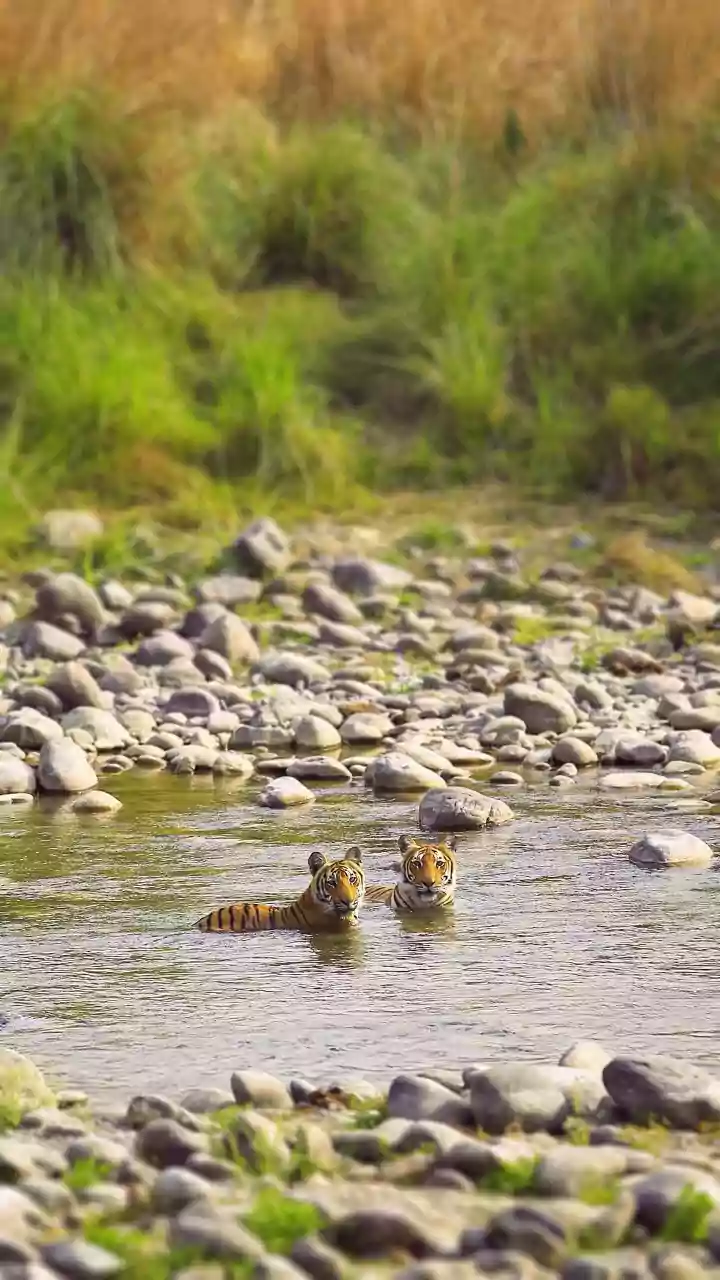
As India's oldest national park, Jim Corbett offers a classic wildlife experience against the backdrop of the Himalayan foothills. In winter, the forest's dense foliage thins out, and the misty mornings and clear days provide excellent conditions for spotting wildlife. The cool, pleasant weather makes for comfortable jeep safaris through varied zones like Bijrani and Jhirna. While the park is renowned for its elusive tigers, it is also a fantastic place to see wild elephants, various deer species, and langurs. Birdwatching is particularly rewarding from November to February, with an influx of migratory birds adding to the park’s rich avian diversity.
Keoladeo National Park, Rajasthan
Formerly known as Bharatpur Bird Sanctuary, Keoladeo is a haven for bird lovers, especially in winter. This man-made wetland, a UNESCO World Heritage Site, becomes a bustling hub for thousands of migratory birds between November and February. Species like bar-headed geese, northern pintails, common teals, and various eagles travel from as far as Siberia and Europe to winter here. The park is unique in that it can be explored by bicycle or on a cycle-rickshaw, allowing for a quiet, up-close experience with nature. The sight of countless waterfowl, alongside resident birds like the towering Sarus crane, makes for an unforgettable day out.
Hemis National Park, Ladakh
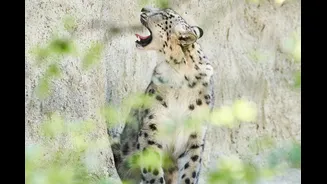
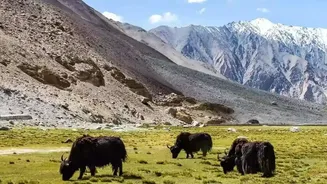
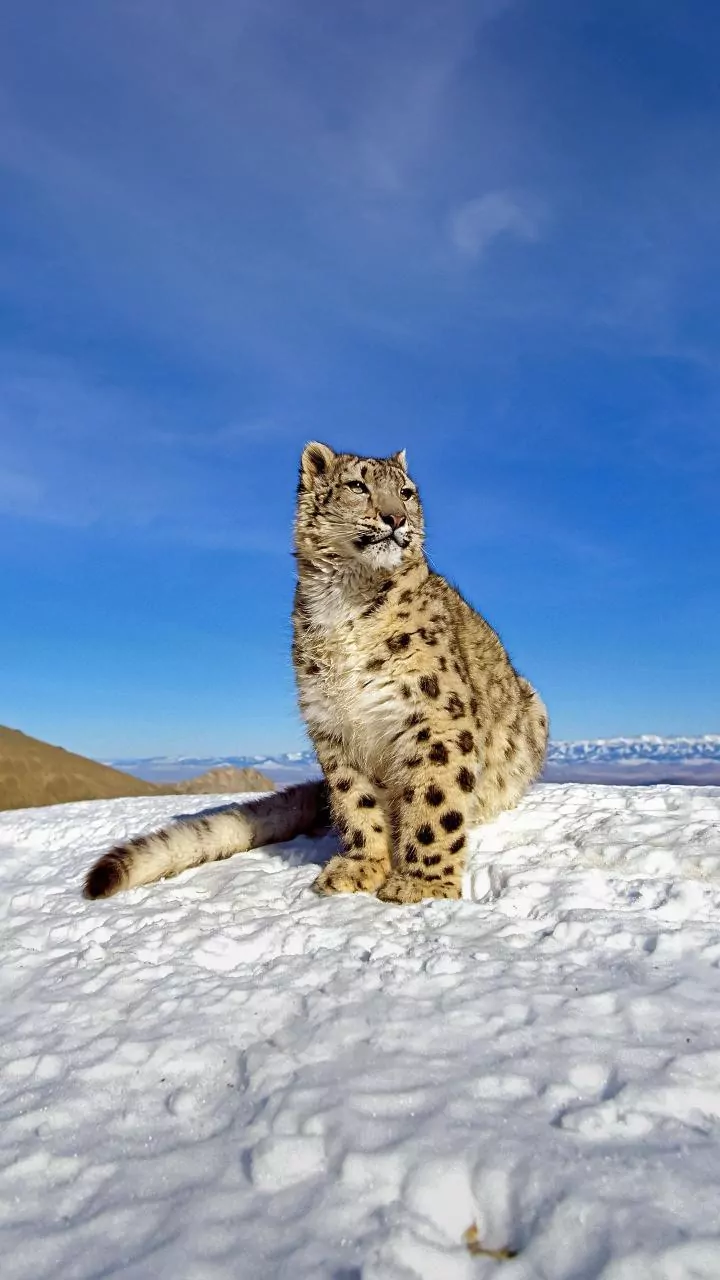
For the truly adventurous, a winter trip to Hemis National Park offers a once-in-a-lifetime opportunity: the chance to see a snow leopard. During the harsh winter months of January and February, these elusive big cats descend from the high peaks to lower valleys like Rumbak in search of prey, such as blue sheep. This is not a jeep safari but a high-altitude trek in sub-zero temperatures, requiring patience and a good level of fitness. Accompanied by experienced guides and spotters, you'll spend days scanning the stark, beautiful landscape for the 'Ghost of the Mountains'. Sightings are never guaranteed, but the thrill of the search in the pristine Himalayan wilderness is a profound experience in itself.