




Lentils and Legumes: The Protein Foundation
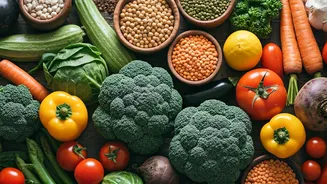
Dal is more than just a comfort food; it's the backbone of a healthy vegetarian diet. Lentils, chickpeas (chana), kidney beans (rajma), and other legumes are exceptional sources of plant-based protein, essential for muscle repair, and fibre, which aids
digestion and promotes a feeling of fullness. This high-fibre content also helps in stabilising blood sugar levels, preventing the sharp spikes and crashes that can lead to energy slumps. Furthermore, lentils are packed with iron and folate, two nutrients vital for producing red blood cells and preventing anaemia, a common concern in vegetarian diets. Incorporating a variety of dals and legumes ensures you get a wide spectrum of amino acids and micronutrients.
Yoghurt (Dahi): Your Gut's Best Friend
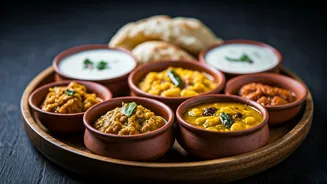
A small bowl of dahi with your meal is a tradition rooted in deep wellness wisdom. Homemade or natural yoghurt is a potent source of probiotics—live bacteria that are crucial for maintaining a healthy gut microbiome. A balanced gut is linked to improved digestion, stronger immunity, and even better mental health, often referred to as the 'gut-brain axis.' Beyond probiotics, dahi is an excellent source of calcium for bone health and provides high-quality protein. For a simple wellness boost, enjoy it plain, as raita, or in a smoothie, but try to avoid versions with high added sugar, which can counteract its benefits.
Turmeric and Ginger: The Anti-Inflammatory Duo
The golden hue of Indian cooking often comes from turmeric (haldi), a spice celebrated for more than just its colour. Its active compound, curcumin, is a powerful anti-inflammatory and antioxidant. Chronic inflammation is linked to numerous health issues, and regularly including turmeric in your diet may help manage this inflammatory response. Pairing it with black pepper significantly increases curcumin absorption. Similarly, ginger (adrak) is a staple used to combat nausea and aid digestion. Its anti-inflammatory properties can also help with muscle soreness and joint pain. A simple ginger-lemon tea or adding fresh ginger to your curries and vegetables is an easy way to harness its power.
Leafy Greens: Nature's Multivitamin
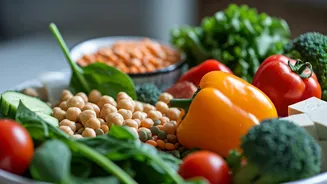
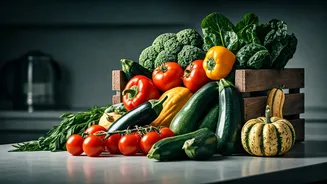
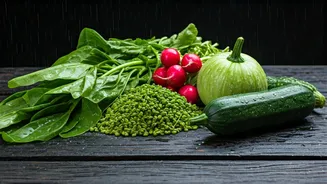
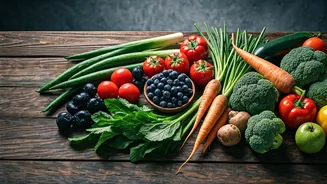
From spinach (palak) and fenugreek (methi) to mustard greens (sarson), Indian cuisine embraces a wide variety of leafy greens for good reason. These vegetables are nutritional powerhouses, low in calories but dense in vitamins like A, C, and K, as well as minerals like iron and calcium. Vitamin K is essential for blood clotting and bone health, while Vitamin C is a key antioxidant that supports the immune system and enhances iron absorption from plant sources—a perfect synergy when eating palak paneer or dal palak. Their high fibre content also supports digestive health. Lightly steaming or sautéing them is a great way to retain their nutrients.
Millets: The Resilient Ancient Grains
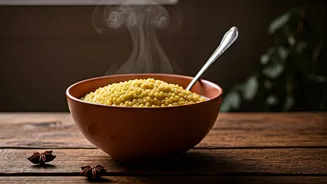
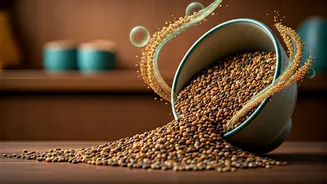
Millets like ragi (finger millet), jowar (sorghum), and bajra (pearl millet) are making a major comeback. These ancient grains are not only gluten-free but also have a low glycaemic index, making them ideal for managing blood sugar. They are rich in dietary fibre, protein, and essential minerals such as magnesium and iron. Ragi, for instance, is renowned for its high calcium content, which is often higher than that of many other cereals. Their versatility means they can be easily made into rotis, dosas, porridges, or even used as a substitute for rice, providing sustained energy and supporting overall metabolic health.
Nuts, Seeds, and Amla: The Finishing Touches
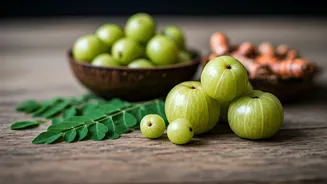
A small handful of nuts and seeds can have a big impact on your health. Almonds and walnuts provide healthy fats, including omega-3 fatty acids, which are crucial for brain health. Flaxseeds and chia seeds are excellent sources of fibre and plant-based omega-3s. For a uniquely Indian wellness boost, look no further than amla (Indian gooseberry). It is one of the most potent sources of Vitamin C, a powerful antioxidant that protects the body from damage by free radicals and bolsters the immune system. Whether eaten fresh, pickled, or as a powder, amla is a formidable ally for natural wellness.