






The Annual Monsoon Cleaning Challenge
Every year, the Indian monsoon brings welcome relief from the summer heat, but it also ushers in a period of intense humidity. This creates the perfect breeding ground for mould on walls, a musty odour in cupboards, and an influx of insects seeking shelter.
For generations, households have battled this seasonal siege on our homes. While modern chemical cleaners offer a quick fix, a growing number of people are looking back to simpler, less toxic solutions that are already in their kitchen cabinets. This isn't just about nostalgia; it’s a practical response to the unique problems the rainy season presents.
Vinegar: The Acidic Powerhouse
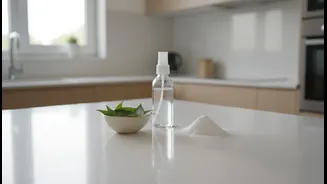
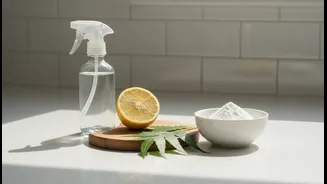
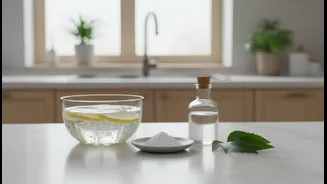
White vinegar is a versatile and effective weapon against common monsoon woes. Its power lies in its acidity, which helps to kill a remarkable percentage of mould species. A simple solution of equal parts white vinegar and water can be sprayed directly on mouldy surfaces like bathroom tiles or window sills. Let it sit for an hour before scrubbing to break down the growth. Its strong smell, which dissipates as it dries, also works to disrupt the scent trails that ants use to navigate, making it a useful floor-mopping solution to deter crawling insects. This makes it a budget-friendly and powerful tool for keeping surfaces clean and hygienic.
Neem: The Natural Protector
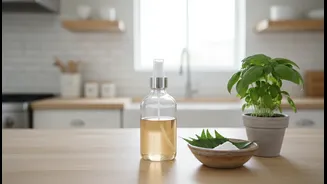
Neem has been a cornerstone of traditional Indian home care for centuries, and for good reason. Its natural antifungal and insect-repellent properties are particularly useful during the monsoon. Boiling a handful of neem leaves in water creates an infusion that can be added to your mopping bucket. This not only helps in cleaning floors but also leaves behind a subtle scent that deters pests. To protect clothes and books from mildew and insects like silverfish, small cloth pouches filled with dried neem leaves can be placed in wardrobes and bookshelves to absorb moisture and repel pests without staining fabrics.
Baking Soda: The Odour and Moisture Hero
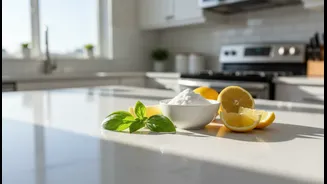
The constant dampness of the monsoon often leaves homes with a persistent musty smell, especially in enclosed spaces like closets and cabinets. Baking soda is an excellent, non-toxic solution for this problem. As a natural absorbent, it can be placed in small bowls inside cupboards to soak up excess moisture and neutralise unpleasant odours. It also works as a gentle abrasive. A paste of baking soda and water can be used to scrub grime from kitchen counters and other surfaces without scratching. For musty-smelling carpets, a light sprinkling of baking soda left for a few minutes before vacuuming can help freshen them up significantly.
A Sign of a Bigger Shift
The renewed interest in these traditional ingredients is more than just a seasonal trend. It reflects a significant shift in consumer behaviour. Across India, there is a growing awareness of the potential health risks associated with harsh chemical cleaners, from respiratory issues to skin irritation. This health consciousness, coupled with a desire for more environmentally sustainable and cost-effective solutions, is driving the demand for natural alternatives. The eco-friendly home hygiene market in India is expanding rapidly, valued at over USD 14 billion in 2024 and projected to double by 2030, growing at a rate of over 12% annually. Consumers are actively seeking products with plant-based, biodegradable ingredients.
The Future Is in Your Kitchen Cabinet
This movement towards low-chemical cleaning signals a future where consumers are more informed and empowered. While traditional ingredients are effective for many daily tasks, the broader trend is pushing the entire cleaning industry to innovate. We are seeing a rise in commercial products that highlight natural ingredients, as well as new formats like concentrated refills and waterless tablets that reduce plastic waste and shipping emissions. The future of cleaning isn't necessarily about abandoning commercial products entirely, but about a hybrid approach. It’s a future where a bottle of vinegar sits comfortably next to a plant-based, biodegradable all-purpose cleaner, giving households the power to choose safer, more sustainable options for a healthier home.