
Winter transforms the world into a quiet, glittering wonderland, and nowhere is this magic more apparent than at the planet's most scenic lakes. When temperatures drop, these vast bodies of water turn into otherworldly landscapes of ice and snow.
Abraham Lake, Canada
Located
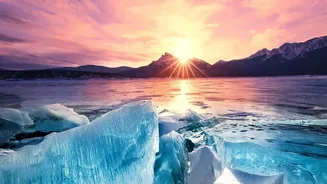
in Alberta, Abraham Lake is famous for a unique natural phenomenon: frozen methane bubbles trapped beneath its crystal-clear surface. When organic matter at the bottom of the lake decomposes, it releases methane gas, which rises and gets caught in layers of ice as the lake freezes. The result is stacks of white, circular bubbles that look like suspended jewels. This spectacle, combined with the backdrop of the Canadian Rockies, makes it a dream destination for photographers and nature lovers. The best time to witness this is typically January and February, when the ice is thick and often swept clear of snow by strong winds, offering the best visibility. Guided tours are recommended to safely navigate the ice and find the most impressive bubble formations.
Lake Baikal, Siberia
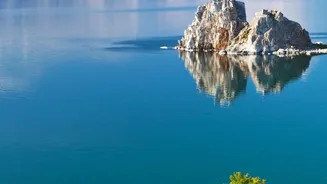
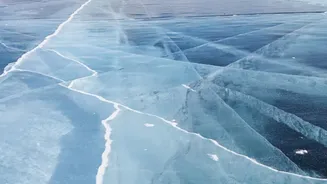
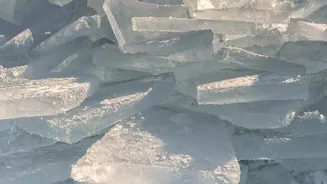
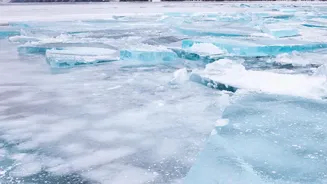
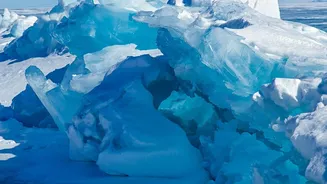
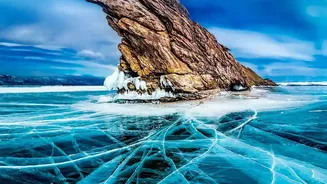
As the world's oldest and deepest freshwater lake, Lake Baikal is a marvel in any season, but winter is when its true power is revealed. From January to May, the lake is covered in ice so transparent you can see up to 40 metres below the surface. This glassy expanse is famous for its turquoise ice hummocks—large shards of ice pushed up by pressure—and mysterious giant rings that are visible from space. These rings are believed to be caused by warm eddies swirling beneath the ice cover. The ice becomes thick enough to support vehicles, creating a seasonal highway for locals. For travellers, it offers a once-in-a-lifetime opportunity for ice skating, hiking, and witnessing a truly unique Siberian landscape.
Jökulsárlón Glacier Lagoon, Iceland
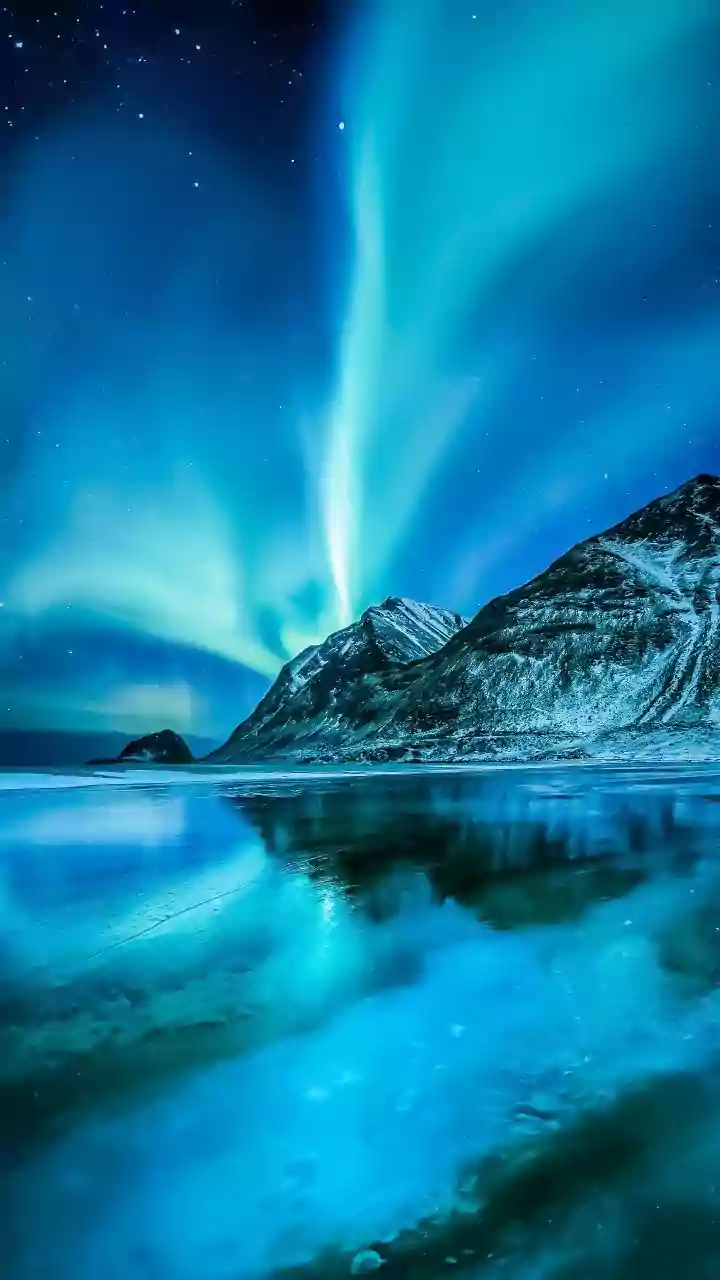
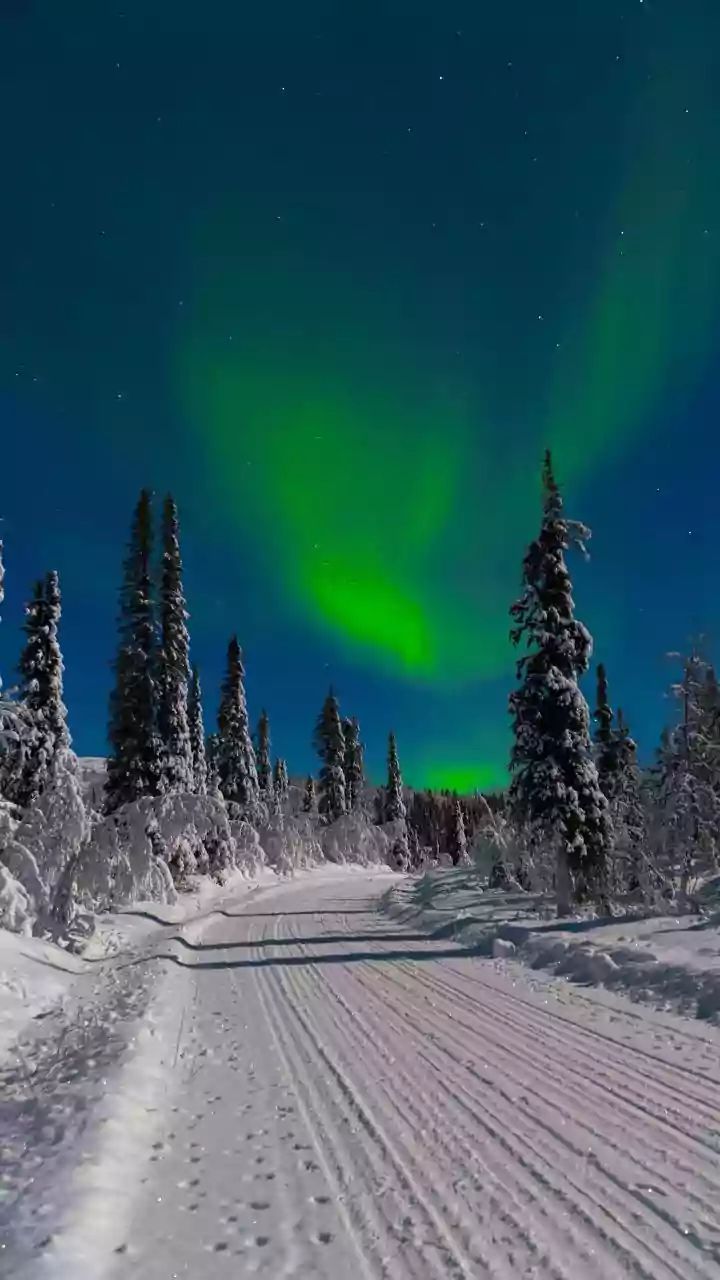
Jökulsárlón is not a typical frozen lake but a breathtaking glacial lagoon on Iceland’s south coast, where icebergs break off the Vatnajökull glacier and float out to sea. In winter, this 'Crown Jewel of Iceland' is a mesmerising scene of blue, white, and black-streaked icebergs drifting slowly in the calm water. While the lagoon itself doesn't completely freeze over, the landscape is distinctly wintry and surreal. Many of the ice chunks wash ashore on the nearby black sand beach, creating the famous Diamond Beach, where they glitter like jewels against the volcanic sand. Winter also offers the chance to see the Northern Lights dancing over the lagoon and to explore natural ice caves that form in the glacier.
Pangong Tso, Ladakh, India
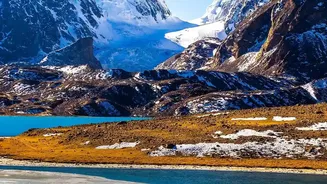
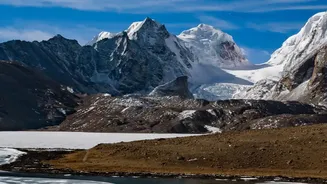
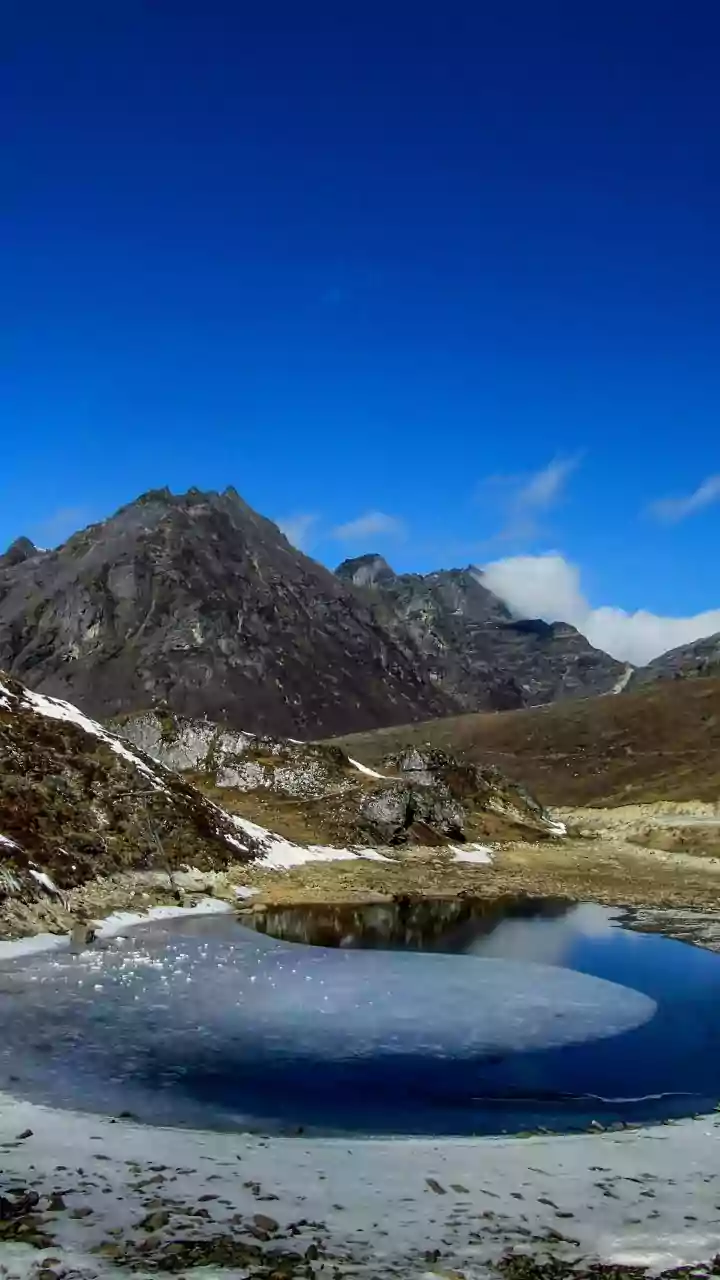
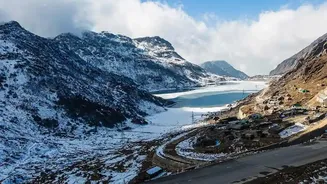
Nestled high in the Himalayas on the Indo-Tibetan border, Pangong Tso is a high-altitude saline lake renowned for its stunning, colour-changing waters. During the harsh winter months of January and February, this vast lake freezes completely, transforming into a massive sheet of solid ice. The journey itself is an adventure, with snow-covered roads and breathtaking mountain passes. The sight of the frozen expanse, reflecting the snow-capped peaks under the crisp winter sun, is an unforgettable experience. Despite its remote location and extreme temperatures, which can plummet to -25°C, the frozen lake has become a destination for unique events like the Pangong Frozen Lake Marathon.
Lake Bled, Slovenia
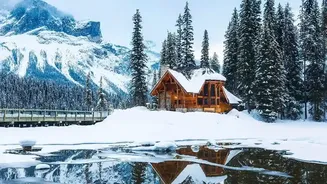
With its fairy-tale church on a tiny island, a medieval castle perched on a cliff, and the Julian Alps as a backdrop, Lake Bled is stunning year-round. In winter, it becomes a peaceful, serene scene, often dusted with snow. While the lake itself rarely freezes completely solid due to thermal springs, the surrounding scenery is a winter wonderland. Visitors can walk the 6km path around the lake, take a traditional 'pletna' boat to the island, and explore Bled Castle for spectacular views. The area also serves as a great base for winter sports, including skiing at nearby resorts, snowshoeing, and ice skating at a local rink.
Lake Superior, USA/Canada
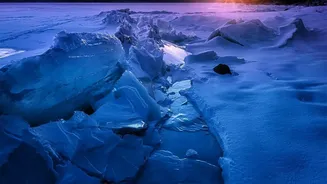
The largest of the Great Lakes, Lake Superior puts on a dramatic show in winter. Along its shores, particularly in the Apostle Islands National Lakeshore in Wisconsin, the waves crashing against sandstone cliffs form spectacular ice caves. When conditions are right—usually requiring a prolonged, deep freeze—the lake's surface becomes solid enough for visitors to walk across and explore these dazzling caverns filled with frozen waterfalls and needle-like icicles. Access is not guaranteed every year and is strictly monitored by park services for safety, making the opportunity to visit a rare and sought-after experience. The phenomenon turns the already impressive shoreline into a glittering, otherworldly landscape sculpted by ice.