








The Dawn of the Calorie-Count Menu
Since early 2022, the Food Safety and Standards Authority of India (FSSAI) has mandated that restaurant chains with a central license or more than ten outlets must display calorie information on their menus. The goal is straightforward: to give diners
a simple metric to gauge the energy content of their meals, hopefully nudging them toward lighter options. The policy also requires clear labelling for allergens and vegetarian or non-vegetarian dishes, adding a new layer of transparency to eating out. On the surface, it seems like a win for public health. Studies have shown that menu labelling can sometimes lead to consumers choosing lower-calorie meals. However, a growing number of nutrition experts argue that a single number can be misleading, and that the true measure of a healthy dish lies far beyond its calorie count.
Why Not All Calories Are Created Equal
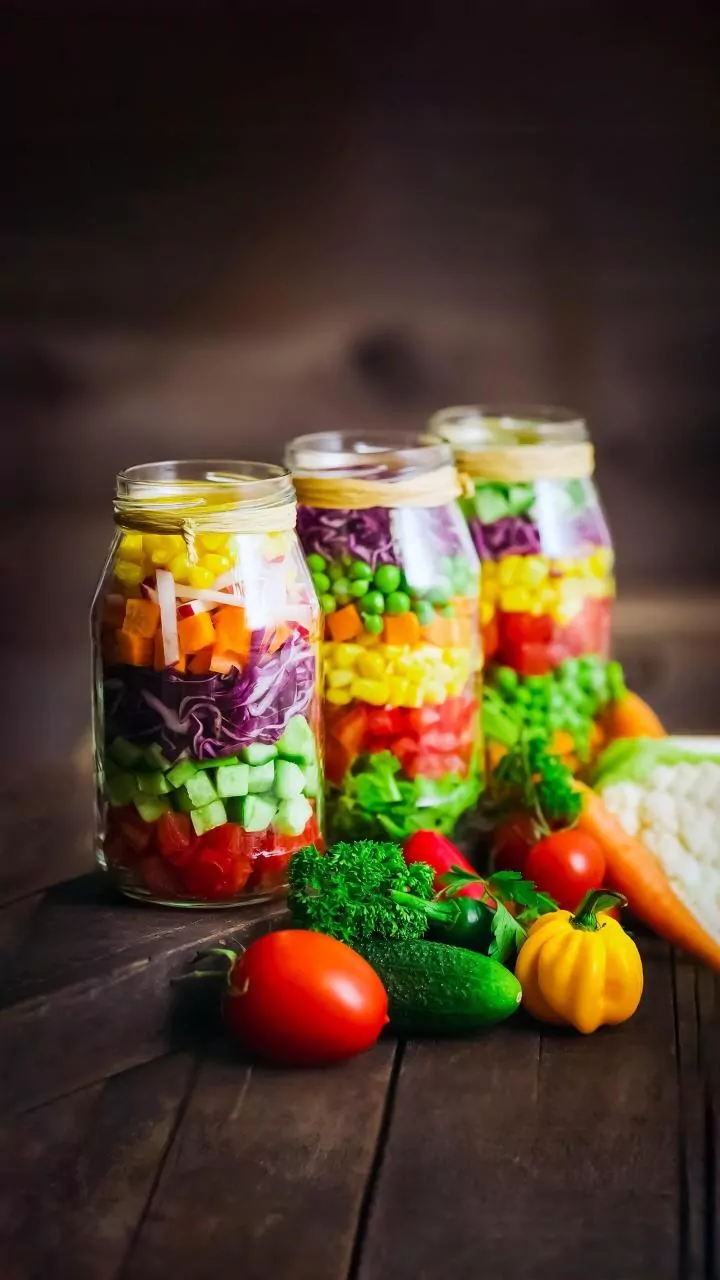
The central flaw in a calorie-only approach is that it treats all calories the same, which is simply not how our bodies work. A 500-calorie dish packed with fibre-rich vegetables, lean protein, and healthy fats is vastly different from a 500-calorie dish of refined flour, sugar, and unhealthy oils. The first will keep you full, stable, and nourished, while the second can lead to energy crashes and cravings. This is the difference between nutrient density and calorie density. Nutrient-dense foods provide a high amount of vitamins, minerals, and fibre for the energy they contain. Think of a bowl of mixed vegetable curry versus a samosa. They might have a similar calorie count, but their impact on your health and satiety is worlds apart. Focusing only on the number ignores the quality of the ingredients, the cooking method (grilled is not the same as deep-fried), and the presence of beneficial nutrients like protein and fibre that our bodies need to thrive.
The Real Prize: Restaurant Reformulation
Perhaps the most significant, and often invisible, benefit of menu labelling is not just changing consumer minds, but changing the food itself. This is known as reformulation. It's the process of restaurants re-designing their recipes to make them healthier—without necessarily sacrificing taste. This could mean switching to a healthier cooking oil, reducing the staggering amount of sodium in a popular curry, using whole-wheat flour in breads, or increasing the vegetable content of a dish. Research suggests that menu labelling incentivises restaurants to do exactly this. One US study found that chains that voluntarily posted calorie information offered menu items that were, on average, over 100 calories lower than their competitors. Experts believe this behind-the-scenes change could have a far greater impact on public health than individual choices alone. When a restaurant improves a beloved dish for everyone, it creates a healthier default option, making it easier for all diners to eat better without having to scrutinize every number.
How to Be a Smarter Diner
So, how should you navigate the new world of calorie-labelled menus? Instead of letting the numbers dictate your entire meal, use them as just one piece of the puzzle. First, look at the description of the dish. Words like 'steamed,' 'grilled,' 'baked,' or 'tandoori' are generally better indicators of a lighter cooking method than 'fried,' 'creamy,' or 'crispy.' Second, scan the ingredients. Prioritise dishes that are built around vegetables, lentils, or lean proteins. A dish with a slightly higher calorie count that's loaded with nutrient-dense foods is often a better choice than a low-calorie but nutrient-poor alternative. Finally, don't be afraid to ask questions. Inquire about the cooking oil used or if a dish can be made with less butter or cream. A mindful approach that prioritises whole ingredients and healthy preparations will always serve you better than a mathematical one.