




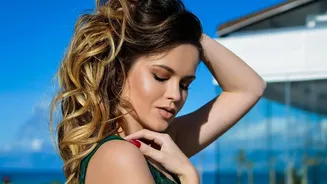
The Real Reason Your Ponytail Hurts
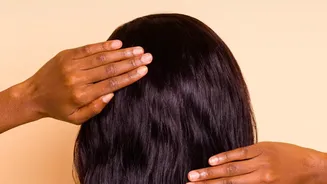
That familiar throbbing pain from a ponytail is a real medical phenomenon known as an external compression headache. It happens because a tight hairstyle pulls on the sensitive nerves in your scalp. When you gather heavy, long hair into a single, tight band,
you're creating a focal point of tension that strains the hair follicles and the underlying nerves. This constant pulling can lead not only to headaches but also to hair breakage and even thinning over time, a condition called traction alopecia. The problem isn't the ponytail itself, but the intense, concentrated pressure from using the wrong type of hair tie or pulling your hair too tight.
Choose a Gentler Hair Tie
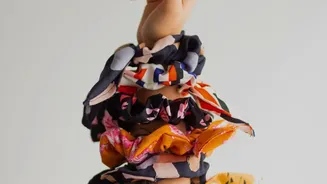
The single most important change you can make is to ditch traditional thin elastics, especially those with metal connectors. These are notorious for snagging and breaking hair. Instead, opt for materials and designs that distribute pressure more evenly. Silk or satin scrunchies are an excellent choice because their smooth fabric reduces friction, preventing the hair's cuticle from getting damaged. Spiral or coil hair ties, which look like old telephone cords, are another fantastic option. They hold hair securely without creating a harsh, single line of pressure, which significantly reduces denting and breakage. For very thick or heavy hair, look for wide, seamless fabric elastics that spread the tension over a larger surface area.
Master a Looser Technique
How you tie your hair is just as important as what you use. Avoid wrapping the elastic as tightly as possible. A good rule of thumb is that the hairstyle should feel secure, but not restrictive or taut against your scalp. When creating a ponytail, don't pull the final loop to its maximum tightness. Instead of a high, tight ponytail that pulls from the crown, try a low ponytail at the nape of your neck. This position works with the natural fall of your hair, reducing the overall weight and pull on your scalp. For buns, twist the hair gently rather than tightly before securing it. The goal is always to minimise direct tension on the hair follicles.
Explore Comfortable Hairstyle Alternatives
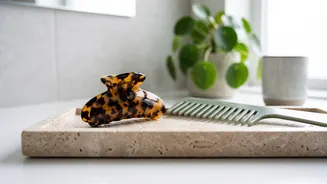
Ponytails aren't your only option for keeping long hair managed. Loose braids are one of the best protective styles because they distribute the hair's weight evenly down its length. A classic three-strand braid, a fishtail, or a Dutch braid can all be secured loosely for all-day comfort. Claw clips have also made a major comeback as a gentle alternative to elastics. A simple twist or half-up style secured with a large claw clip holds hair effectively without any pulling on the scalp. For buns, consider using U-shaped French pins or spin pins; these accessories hold the hair's weight from within the bun, reducing the need for a tight elastic at the base.
Give Your Hair a Break
Even with the gentlest techniques, wearing your hair up every day can cause stress. It's crucial to give your scalp and hair regular breaks. Avoid tying your hair up when it's wet, as damp hair is more fragile and prone to stretching and snapping. Try not to wear the same hairstyle every single day. Alternating between a low pony, a loose braid, and wearing your hair down prevents stress from concentrating on the same spot. At night, sleeping with your hair in a loose braid or a pineapple-style high bun secured with a silk scrunchie can prevent tangles and friction against your pillow, further protecting it from damage.