




The Architect in the Shadows
When Rahul Dravid took charge of the India U-19 and India A teams in 2015, it wasn't a glamorous assignment. It was foundational work, far from the roaring crowds and television cameras of the senior team. But for a man nicknamed 'The Wall' for his quiet
resilience, it was the perfect role. He wasn't there to just win trophies; he was there to build a robust supply chain of cricketers ready for the unforgiving world of international cricket. His focus was never on the next match but on the next five years. This long-term vision shifted the entire culture of junior and A-level cricket in India from a results-oriented approach to a development-first model.
Process Over Prize
Dravid’s most significant contribution was his unwavering commitment to 'process'. He famously instituted a rule that a player could not participate in more than one U-19 World Cup, regardless of their age eligibility. The logic was simple: winning a junior World Cup was secondary to exposing more players to a high-pressure tournament environment. Similarly, on India A tours, he made it a point to rotate the squad and ensure every player got a chance to play, even if it meant risking a match. This approach communicated a powerful message: your development is more important than our short-term result. It bred a culture where players focused on improving their skills rather than worrying about being dropped, fostering an environment of security and growth.
Building Resilient Professionals
International cricket is as much a mental battle as it is a physical one. Dravid, having experienced the highs and lows of a storied career, knew this better than anyone. His mentorship went beyond the nets. He focused on preparing players for the pressures of fame, failure, and the constant scrutiny they would face. Players like Rishabh Pant, who faced criticism for his rash shot-making, and Mohammed Siraj, who battled personal tragedy to become a Test spearhead, are products of this system. Siraj has often spoken about how Dravid’s backing during his India A days gave him the confidence to succeed. Dravid was creating not just skilled batsmen and bowlers, but resilient men capable of navigating the demanding career path of a modern cricketer.
The Bridge to the Senior Team
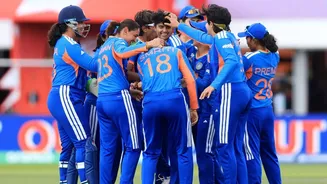
Before Dravid’s tenure, the leap from domestic cricket to the international stage was a massive chasm. India A tours were sporadic and lacked a clear purpose. Dravid transformed them into a vital finishing school. The tours, especially to countries like England, Australia, and South Africa, were meticulously planned to simulate the conditions and challenges players would face in the senior team. Players like Shubman Gill, Mayank Agarwal, and Hanuma Vihari arrived in the Test side looking like they belonged, their techniques and temperaments already honed against quality opposition in alien conditions. The 'A' team became a genuine bridge, making the transition smoother and reducing the time players needed to adapt at the highest level.
A Legacy in Plain Sight
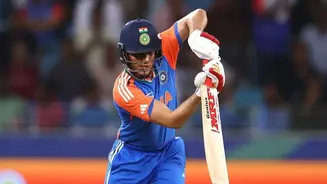
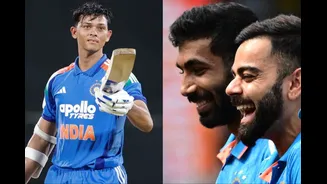
Today, the fruits of Dravid's labour are evident every time the Indian team sheet is announced. The core of the team across all formats is populated by players who passed through his system. From Gill and Pant to Prithvi Shaw, Washington Sundar, and Siraj, the assembly line he created is now the backbone of Indian cricket. His philosophy of substance over style, preparation over panic, and discipline above all else is reflected in the temperament of these young stars. They are not just talented individuals; they are professionals who understand the process, a direct reflection of the values their mentor embodied.