


The Comfort of the Clouds
In India, the monsoon is more than just a season; it's a powerful emotion. It brings relief from the scorching summer heat and cues a collective craving for specific foods. For generations, families have passed down recipes perfect for a rainy day: piping
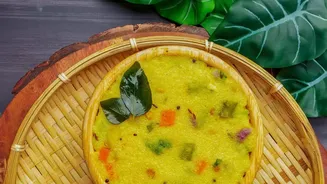
hot pakoras, hearty samosas, tangy chaat, and soul-warming bowls of khichdi. These aren't just meals; they are edible rituals, intrinsically linked to the sound of rainfall and the joy of huddling together indoors. The ingredients are often simple, but the results are pure comfort, evoking memories of childhood, grandparents, and the unhurried pace of a rainy afternoon.
From Kitchen Secrets to Cafe Specials
A delicious new trend is brewing in Delhi's vibrant food scene. Cafes across the capital are tapping into this shared nostalgia, transforming heirloom recipes once confined to family kitchens into celebrated menu items. Establishments are realising that comfort and authenticity are powerful draws. For instance, Kikli by chef Amninder Sandhu offers a monsoon menu celebrating Punjabi comfort food, including various pakodas that evoke childhood memories. Similarly, the iconic Hauz Khas Social introduced a special breakfast menu curated by food historian Anoothi Vishal, featuring dishes like Dal Cranberry Kachoris and Mirch Keema Pao, explicitly designed to capture the monsoon feeling. This move isn't just about food; it's about selling an experience—the taste of home in a contemporary, communal setting.
A Taste of Heritage with a Modern Twist
While the core idea is traditional, many chefs are adding their own unique spin. The trend is less about exact replication and more about honouring the spirit of the original dish. A restaurant named Monsoon by the team behind Café Lota was founded on this very principle: taking recipes from home kitchens and playing with them. They have been known to create unique dishes from familiar regional cuisines, like a Jau & Meat stew or a salad with smoky Bandel cheese and Khapli wheat. This approach allows for creativity while keeping the soul of the dish intact, offering a product that feels both familiar and excitingly new. It bridges the gap between a grandmother's cooking and a modern diner's palate.
Why Nostalgia Is the Main Ingredient
The success of this trend points to a deeper cultural shift. In the fast-paced, globalised environment of a city like Delhi, there's a growing appetite for experiences that feel rooted and genuine. These monsoon menus offer more than just a meal; they provide a connection to the past and a sense of shared identity. Restaurants like Chor Bizarre have curated entire menus as an "Ode to the Rains," featuring classics like Purani Dilli ki Papri Chaat and Palak Patta Chaat. Enjoying a plate of Palak Patta Chaat at Triveni Terrace Café, a long-standing city favourite, feels like participating in a cherished Delhi tradition. It’s a way for diners to momentarily step back from the pressures of modern life and find comfort in the familiar tastes of a bygone era.
What's on the Monsoon Plate?
Beyond the evergreen pakoras and samosas, cafes are digging deeper into the treasure trove of regional monsoon specialties. One might find Gujarati Batata Vada, a snack of soft, tangy potato filling in a crispy shell. Another popular item is Bedmi Puri with a tangy, tomato-based aloo sabzi, a classic from Old Delhi. Even chaat is getting an upgrade, with items like Samosa Matar Chaat appearing on menus at places like Chaayos. These dishes, once hyper-local or strictly homemade, are now becoming accessible to a wider audience, turning personal family histories into a collective culinary experience for the entire city to enjoy.