




Declare War on Dampness
Humidity is the main enemy during the monsoon. The most important step is to improve air circulation. Whenever the rain takes a break, open your windows and doors to let fresh air push out the stale, moist air. Use exhaust fans in the kitchen and bathroom
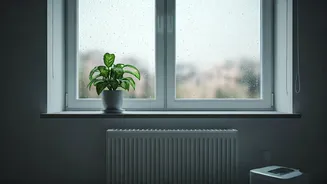
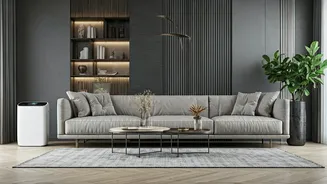
for longer than usual after cooking or showering to expel excess moisture. For a low-cost solution, use natural dehumidifiers. Place bowls of rock salt or activated charcoal in damp corners, closets, and under sinks. These materials naturally absorb moisture from the air. For small enclosed spaces like cabinets, an open bowl of baking soda works wonders; you'll notice it hardens as it absorbs moisture, which is your cue to replace it. If your flat feels persistently damp, investing in a small electric dehumidifier can be a game-changer for maintaining a comfortable and healthy environment.
Master Your Wardrobe
Wardrobes are prime real estate for musty smells and mildew. The key is to never store clothes that are even slightly damp. Make sure every item is bone dry before it goes in. To help, avoid over-packing your closets to allow air to circulate between garments. Try leaving wardrobe doors open for about 30 minutes each morning while running a fan to air them out. Tuck small, porous bags of camphor, dried neem leaves, or cloves into the corners of your shelves. These act as natural deodorizers and insect repellents. Silica gel packets, which often come with new shoes or electronics, are perfect for placing in drawers and shoe racks to absorb moisture. If you spot any white, fuzzy growth, clean it immediately with a solution of equal parts white vinegar and water to stop it from spreading.
Let There Be Light (and Space)
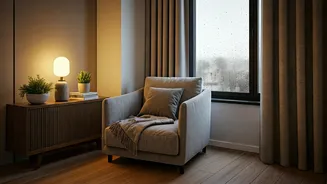
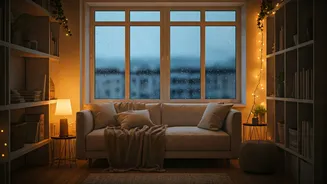
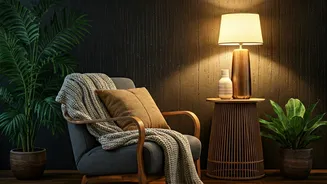
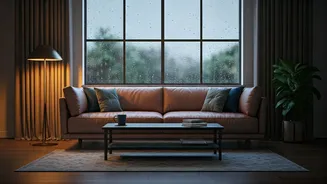
Grey skies can make a small flat feel even smaller and more confining. Fight the gloom by maximizing light, both natural and artificial. The oldest trick in the book works for a reason: place a large mirror on a wall opposite a window. It will bounce natural light around the room, making the space feel brighter and more expansive. Even on a cloudy day, this can make a significant difference. Don't rely on a single overhead bulb. Layer your lighting to create warmth and eliminate dark corners. Use a combination of floor lamps, table lamps, and perhaps even some subtle wall lighting. This creates a cozy ambiance that a single harsh light cannot. Illuminating objects like a bookshelf or a piece of art can also draw the eye and give an illusion of a larger space.
Win the Aroma Game
Before adding pleasant scents, you must eliminate bad ones. Baking soda is your best friend here. Sprinkle it on carpets or mattresses, leave for 30 minutes, and then vacuum it up to neutralize trapped odours. Once your home is a neutral canvas, introduce fresh, natural fragrances. Avoid heavy artificial air fresheners, which can be overpowering in a small space. Instead, use an essential oil diffuser with light, clean scents like lemon, eucalyptus, or lavender. A few drops of essential oil on cotton balls tucked into corners can also work well. Placing a bowl of roasted coffee beans on a table not only looks chic but also acts as an excellent natural air purifier and deodorizer. These small touches will replace the musty monsoon smell with a welcoming and refreshing aroma.
Bring the Outdoors In, Wisely
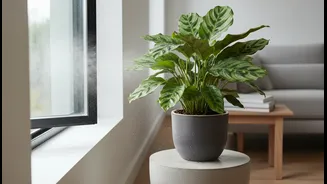
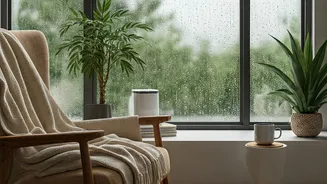
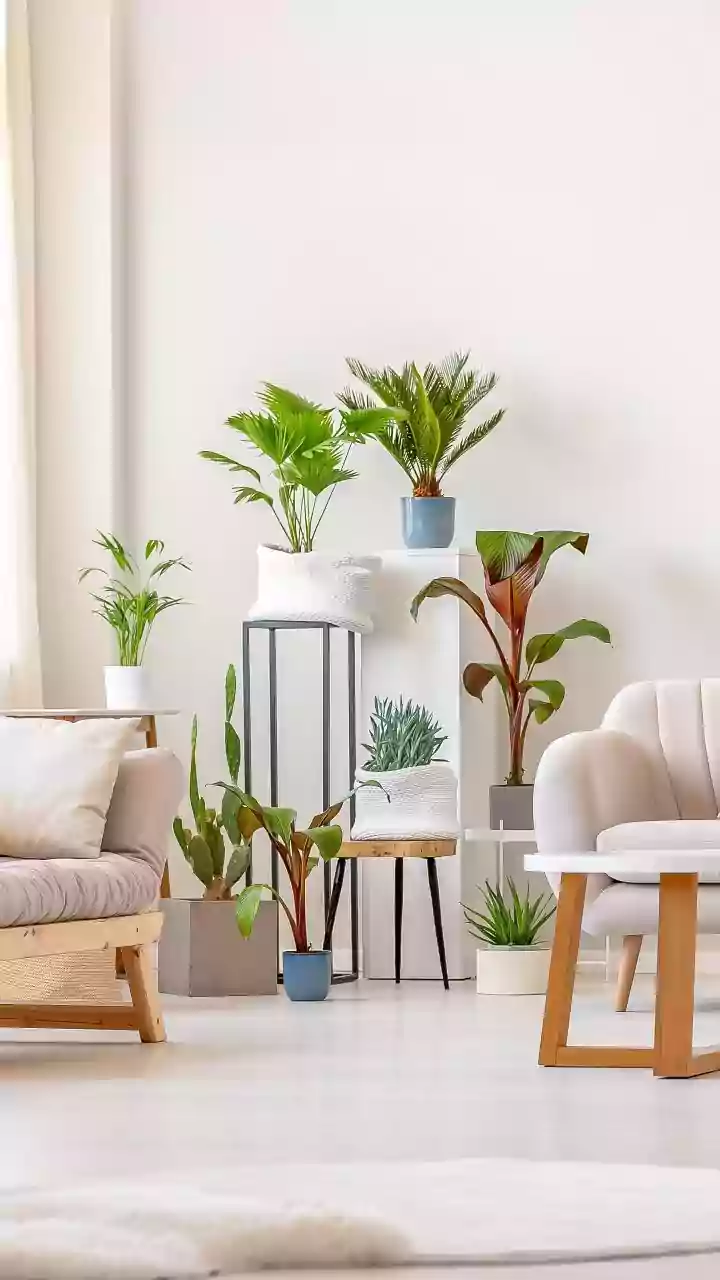
While it seems counterintuitive to add more living things to a humid environment, certain houseplants are excellent at absorbing moisture from the air. Plants like peace lilies, spider plants, and ferns can help regulate indoor humidity naturally. They also improve air quality and add a touch of vibrant green, which can significantly boost your mood on a dreary day. Just be careful not to overwater them; the goal is for them to absorb moisture from the air, not add to it from soggy soil. Placing them in areas prone to dampness, like bathrooms or kitchens, can be particularly effective.