



The Unrelenting Coastal Threat
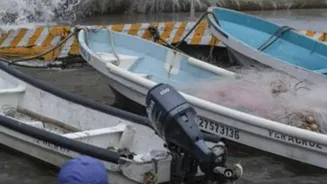
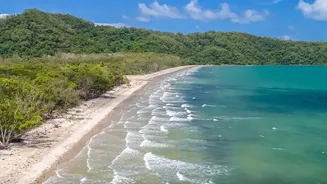
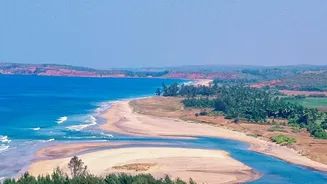
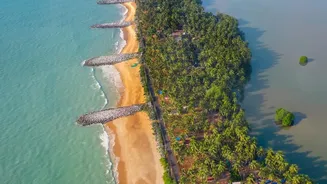
From the Sundarbans in West Bengal down to the shores of Tamil Nadu, India’s eastern coast braces itself year after year for the fury of tropical cyclones. These powerful storms bring not only high-velocity winds but also devastating storm surges—walls
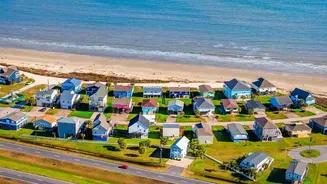
of water that inundate low-lying coastal areas, destroying homes, agricultural land, and infrastructure. The 1999 Odisha super cyclone remains a stark reminder of this vulnerability, a tragedy that spurred a national conversation on disaster preparedness. With climate change expected to increase the frequency and intensity of such extreme weather events, the search for effective, sustainable, and affordable coastal defense has become more urgent than ever. While engineered solutions like concrete seawalls have their place, they are expensive and can disrupt natural coastal processes. This has led policymakers and communities to look towards a time-tested, living solution.
Nature’s Perfect Defense System
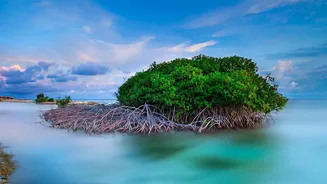
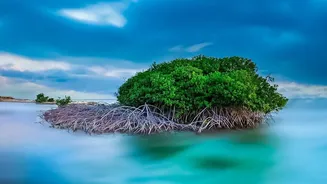
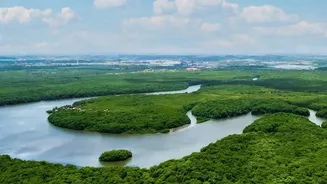
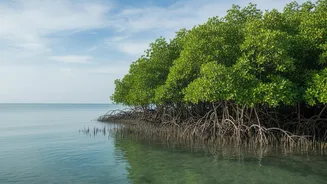
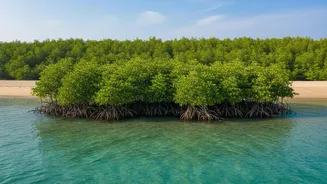
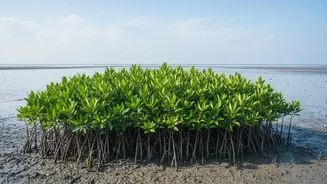
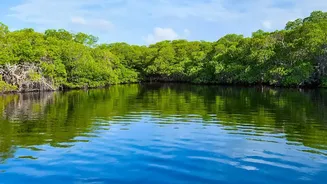
Mangrove forests are nature's answer to coastal protection. These unique ecosystems, which thrive in the salt-tolerant intertidal zones where land meets sea, act as formidable bio-shields. Their dense, intricate network of roots, trunks, and branches is incredibly effective at dissipating the energy of waves. As a storm surge moves through a mangrove forest, the vegetation acts as a natural brake, slowing the water's velocity and reducing its height. Studies conducted after major weather events, including the 2004 tsunami and various cyclones, have consistently shown that areas buffered by healthy mangrove belts suffered significantly less damage than exposed regions. The roots also bind the coastal soil, preventing erosion and stabilizing the shoreline against the constant push and pull of the tides.
A Nationwide Push for Green Barriers
Recognizing this immense potential, government bodies and environmental groups have launched ambitious initiatives along the eastern seaboard. A key national program is the Mangrove Initiative for Shoreline Habitats & Tangible Incomes (MISHTI), which aims to restore 540 square kilometers of mangroves across nine coastal states. States like Odisha, Andhra Pradesh, and West Bengal are at the forefront of this effort. Andhra Pradesh has seen significant success, developing over 2,000 hectares of mangrove plantations in 2025-26 alone and employing innovative methods like the 'Fish Bone Technique' to improve sapling survival rates. In Odisha, home to the Bhitarkanika mangroves, efforts are underway to expand cover beyond the national park to other vulnerable districts, supported by partners like the UNDP. Just this August, a major five-year initiative was launched in the West Bengal Sundarbans to plant half a million mangroves.
More Than Just a Living Wall
The benefits of mangrove restoration extend far beyond disaster risk reduction. These forests are biodiversity hotspots, serving as critical nursery grounds for a vast array of fish, crustaceans, and mollusks. This directly supports the livelihoods of coastal fishing communities, providing both food security and economic stability. Furthermore, mangroves are champions of climate change mitigation. They are incredibly efficient carbon sinks, capable of storing up to five times more carbon in their soil and biomass than terrestrial forests, earning them the name 'blue carbon' ecosystems. By sequestering atmospheric carbon, these restoration projects contribute directly to India's national climate goals. They also create opportunities for ecotourism and provide resources like fodder and honey, generating diverse income streams for local populations.
The Crucial Role of Community
The long-term success of these green shield initiatives hinges on the active involvement of the people they are designed to protect. Across the coast, community-led conservation is proving to be the most effective model. In Odisha, projects involving Village Mangrove Councils, often led by women, have successfully restored degraded lands, boosting the local economy and food security. Similarly, in Gujarat on the west coast, community-based restoration has not only increased mangrove cover but also led to a reported 31.5% increase in income from fisheries. When local communities are empowered as guardians of the ecosystem, they become its most dedicated protectors, monitoring for illegal dumping or encroachment and ensuring the forests thrive for generations. This blend of traditional knowledge and scientific management is creating a truly resilient and sustainable model for coastal defense.