




In the Kitchen: Smart and Simple Savings
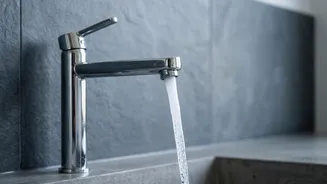
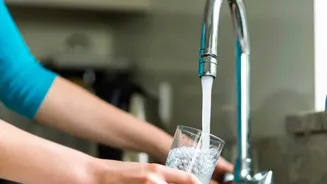
Your kitchen is a great place to start conserving water. Instead of letting the tap run while washing vegetables, use a bowl of water. The same goes for washing dishes by hand; fill one basin with soapy water and another for rinsing rather than letting the tap flow
continuously. If you have a dishwasher, always run it with a full load to maximize efficiency. Another significant area for savings is the water discarded by RO purifiers, which can waste up to three litres for every one litre purified. Collect this wastewater in a bucket. It's perfectly safe and useful for mopping floors, cleaning balconies, or pre-soaking utensils.
The Bathroom: High-Impact Changes
The bathroom accounts for a large portion of household water use. One of the easiest changes is to turn off the tap while brushing your teeth or shaving, a simple habit that saves several litres each day. Consider swapping long showers for quicker ones, or opt for using a bucket, which gives you better control over the amount of water used. Leaks are a major source of hidden water waste. A single dripping tap can waste thousands of litres a year. Regularly check faucets and toilet cisterns for leaks. A simple way to check your toilet is to add a few drops of food colouring to the tank; if the colour appears in the bowl without flushing, you have a leak that needs fixing.
Laundry and Cleaning: Fuller is Better
Modern washing machines are efficient, but only when used correctly. Make it a rule to run your washing machine only when you have a full load. This simple practice can save a significant amount of water and energy over the course of a year. When it comes to general household cleaning, that bucket of collected RO water is your best friend. Use it for mopping floors and other cleaning tasks instead of drawing fresh water from the tap. Similarly, use a broom instead of a hose to clean driveways and balconies, saving a large amount of water from being wasted as runoff.
Upgrades and Outdoor Spaces
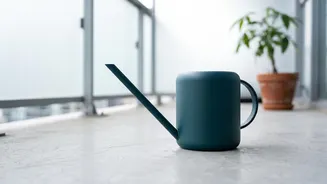
If you are in a position to make small upgrades, consider installing water-efficient fixtures. Low-flow aerators for taps and showerheads are inexpensive, easy to install, and can significantly reduce water consumption without sacrificing pressure. These fixtures work by mixing air with the water, creating a steady flow that feels ample while using less. Dual-flush toilets are another excellent investment, allowing you to use less water for liquid waste. For those with gardens or balconies, water your plants during the early morning hours to minimize evaporation. You can also reuse the water from washing vegetables for your plants. The high mineral content in RO wastewater can be suitable for certain hardy, salt-tolerant plants, but it's best to test it on a small patch first.