





The Monsoon’s Comfort Call
There's an unspoken culinary shift that happens the moment the monsoon sets in. Our bodies begin to yearn for foods that are not just tasty, but also warm, nourishing, and easy to digest. Fried snacks have their place, but the real, everyday hero of the rainy
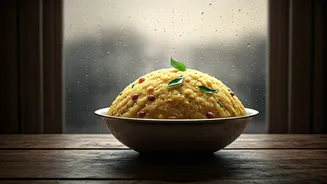
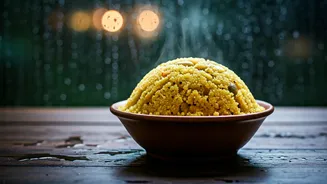
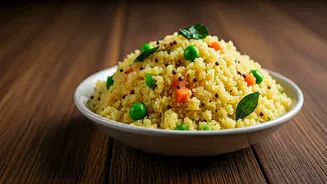
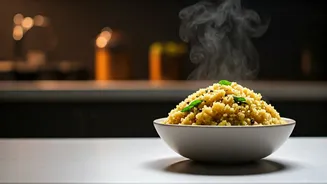
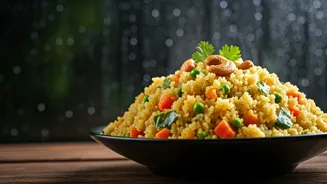
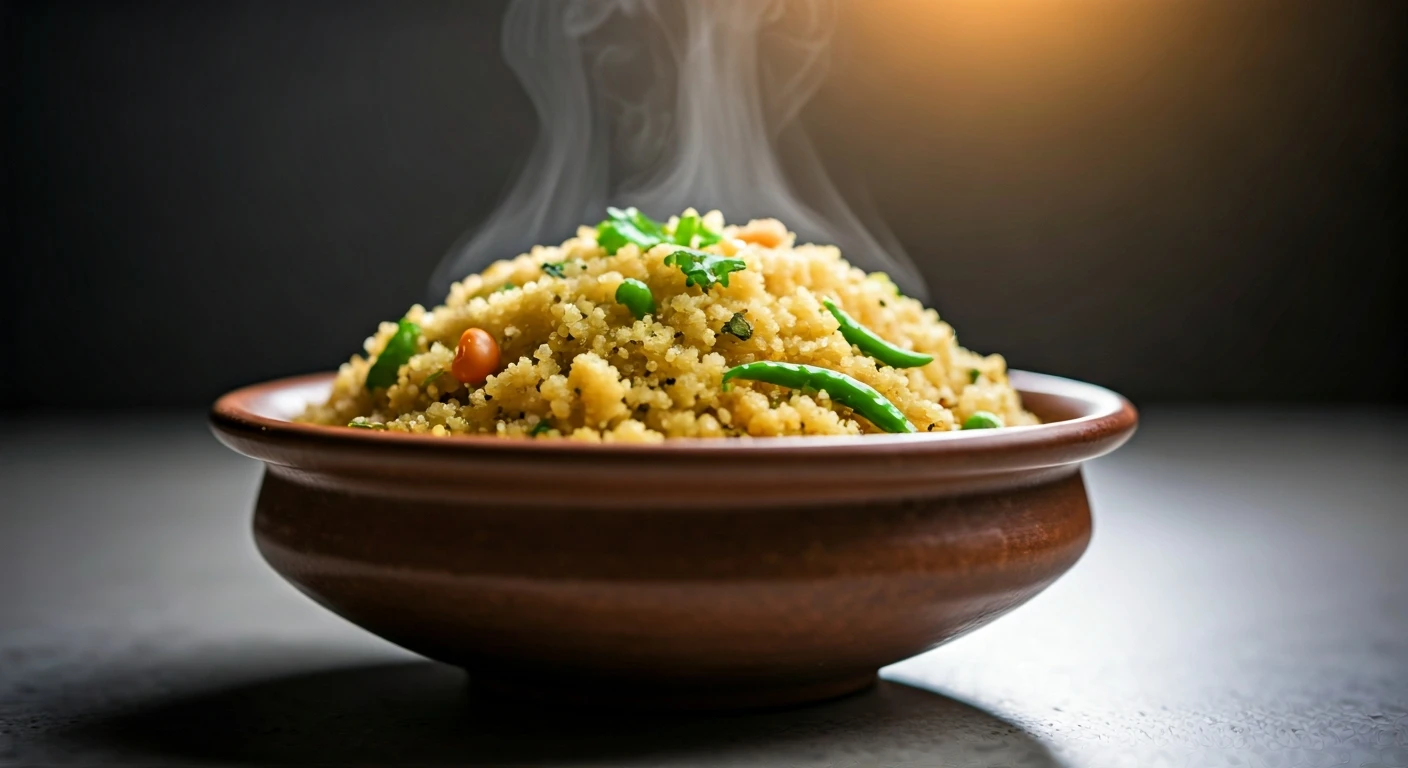
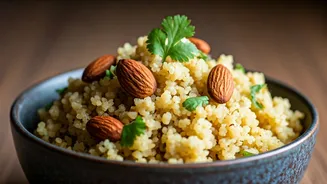
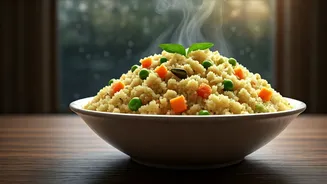
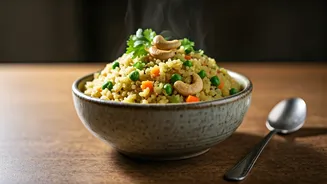
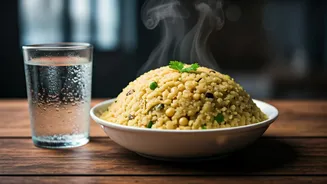
season is often something far simpler. Enter the steaming bowl of vegetable upma. For many, the sight of finely chopped vegetables dotting a fluffy bed of semolina is pure nostalgia. It’s the flavour of school tiffin boxes, quick weekday dinners, and lazy Sunday breakfasts. But during the monsoon, it transforms into something more: a comforting embrace in a bowl, perfectly suited to the grey, damp weather outside.
More Than Just a Quick Fix
Upma has long carried the reputation of being a ‘quick-fix’ breakfast, something whipped up in a hurry. While its speed is certainly one of its virtues, pigeonholing it as such does a great disservice to its potential. A well-made vegetable upma is a masterclass in balanced flavours and textures. The crunch of chana and urad dal in the tadka, the sweetness of onions and carrots, the mild heat from green chillies, and the final, zesty brightness from a squeeze of lemon—it’s a complete sensory experience. It’s a canvas that invites creativity. Loaded with seasonal vegetables like peas, carrots, and beans, it becomes a wholesome, one-pot meal that provides energy without the heaviness associated with fried foods, making it an ideal choice for any time of the day.
The Perfect Rainy Day Companion
Why does upma feel so right during the monsoon? The answer lies in its composition. It is light on the stomach, which is a significant advantage when the humid weather can make our digestive systems feel sluggish. The warm, soft texture is inherently soothing, providing a sense of internal warmth that counters the damp chill in the air. Furthermore, it's a hydrating meal. Made with a good amount of water, it contributes to your daily fluid intake. From a practical standpoint, it uses pantry staples—rava (semolina), onions, and a few common spices—meaning you can whip it up even when a downpour makes a trip to the market seem impossible. It’s reliable, restorative, and ready in minutes.
Elevating the Humble Upma
The difference between a forgettable upma and a spectacular one lies in the details. The first secret is to dry roast the rava on a low flame until it’s fragrant and changes colour ever so slightly. This simple step prevents lumps and gives the final dish a beautiful, fluffy texture. Don’t skimp on the tadka—mustard seeds, urad dal, chana dal, curry leaves, and a pinch of asafoetida (hing) create the foundational flavour. Sautéing the onions until they are soft and translucent, not browned, adds a subtle sweetness. For an extra layer of richness, add a spoonful of ghee just before serving. A garnish of fresh coriander and a generous squeeze of lime juice at the end cuts through the richness and brightens all the flavours, making each spoonful a delight.
A Dish of Unity and Variety
While the classic rava upma is beloved across the country, its versatility is a testament to India's diverse culinary landscape. In the south, it's often served with coconut chutney or sambar. In Maharashtra, it might be garnished with sev. Beyond rava, there are countless variations: semiya (vermicelli) upma, bread upma, and even poha upma. Each version carries the same spirit of being a quick, comforting, and adaptable meal. This shared love for a simple dish, made with slight regional twists, makes upma a quiet symbol of culinary unity. It’s a food that feels like home, no matter which part of the country you’re in.