





The Limits of the Lone Rover
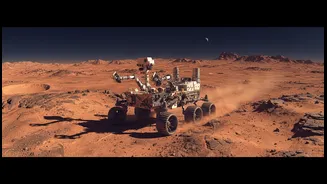
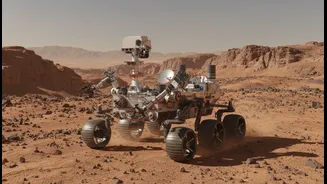
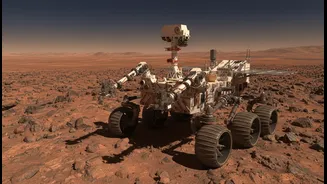
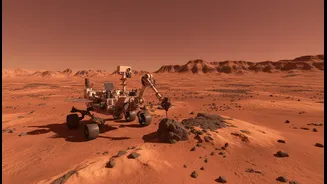
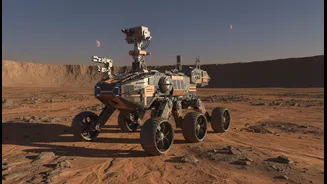
For decades, our vision of exploring Mars has been dominated by solitary, high-tech rovers like Curiosity and Perseverance. These car-sized mobile labs have been revolutionary, fundamentally changing our understanding of the Red Planet. However, they
have their limits. They are incredibly expensive, take years to develop and deploy, and are, by necessity, risk-averse. Certain scientifically valuable regions—steep crater walls, rocky fields, and potential caves—are simply too dangerous for a multi-billion dollar, one-of-a-kind asset to navigate. The very success of these missions has highlighted all the places we can't yet go, prompting a major rethink in strategy.
A New Fleet of Specialists
Enter the Science Transport and Robotic Innovation for Deployment and Exploration (STRIDE) initiative. On July 8, 2026, NASA awarded contracts with a total potential value of around $17 million to seven companies tasked with developing the next generation of Martian mobility. The awardees include a mix of established aerospace firms and innovative robotics startups: AeroVironment, Astrobotic, Venturi Astrolab, Ground Control Robotics, Honeybee Robotics, Intuitive Machines, and MEI Technologies. This move isn't about building one perfect rover; it's about creating a diverse toolkit of smaller, more specialized robots that can work together or independently. The relatively modest initial investment is designed to kickstart innovation and leverage the agility of the private sector.
Beyond the Crater Floor
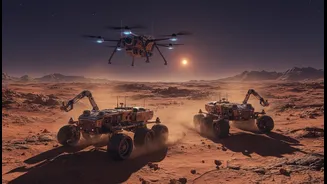
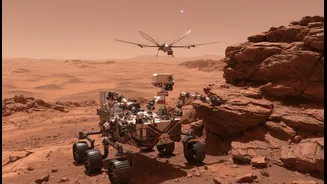
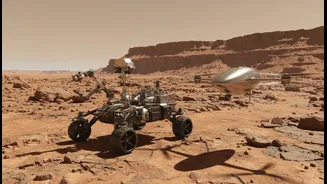
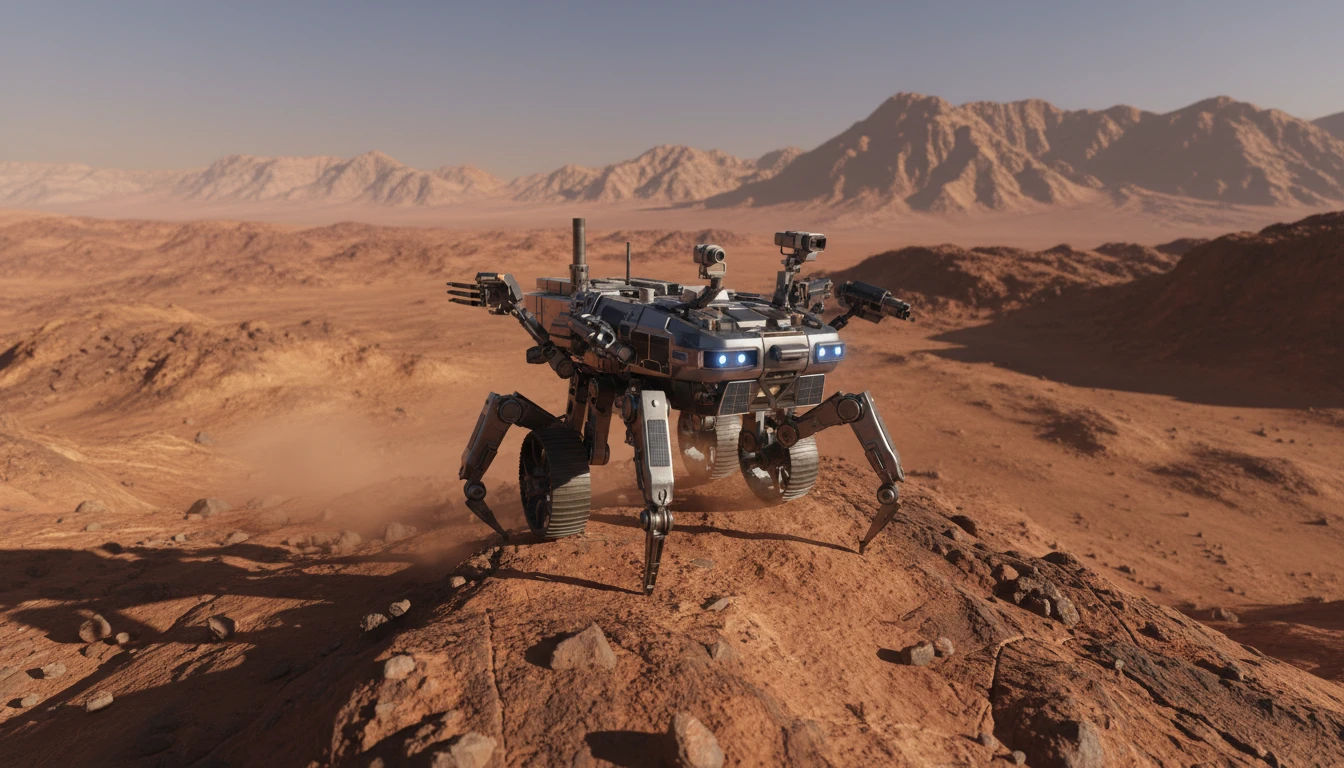
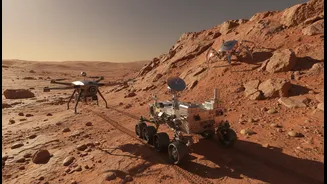
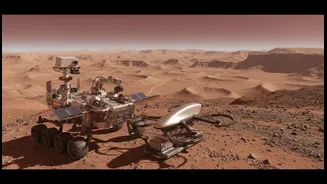
The core goal of STRIDE is to develop systems that can access Mars's most difficult and scientifically intriguing terrain. The challenges these new concepts aim to solve are varied. We can expect to see designs for advanced aerial drones, building on the wild success of the Ingenuity helicopter, but with greater payload capacity and range to scout treacherous areas. Other concepts will likely include legged robots capable of climbing steep slopes and navigating boulder fields that would trap a wheeled rover. There is also a focus on smaller, lighter systems that could be deployed in greater numbers, creating a network of explorers that can cover more ground and take greater risks than a single, monolithic mission. This swarm approach dramatically increases the potential for discovery.
NASA's New Playbook: Collaboration and Agility
These seven contracts reveal a significant philosophical shift for NASA. The agency is moving away from being the sole designer and builder of its missions and leaning more into a model of public-private partnership. By funding a range of companies to develop competing ideas, NASA is fostering a competitive ecosystem that can produce innovative solutions faster and more cost-effectively. This strategy allows the agency to explore multiple technology pathways simultaneously, from advanced aerial mobility to novel ground systems, without committing billions to a single design. It’s a clear signal that the future of planetary exploration will be more distributed, collaborative, and adaptable, allowing for more frequent missions that can respond to discoveries made by previous ones.