




Your Gut Is a Community
Think of your gut, particularly your intestines, as a bustling city populated by trillions of microorganisms, including bacteria, viruses, and fungi. This community is called the gut microbiome. For a long time, we thought of bacteria only as germs to
be avoided. But scientists now understand that most of these tiny residents are crucial for our health. They help digest food, produce essential nutrients like vitamins B and K, regulate our immune system, and protect us from harmful germs. Each person's microbiome is unique, shaped by genetics, environment, and lifestyle.
Why Fibre Is the Perfect Fuel
So, where does fibre fit in? Unlike other foods, dietary fibre—the indigestible part of plants—isn't broken down in the stomach. Instead, it travels to the large intestine, where it becomes the primary food source for your friendly gut bacteria. These bacteria ferment the fibre, producing powerful compounds called short-chain fatty acids (SCFAs). SCFAs are superstars for your health: they nourish the cells lining your colon, strengthen your gut barrier, reduce inflammation, and even support immune function. There are two main types of fibre: soluble, which forms a gel and can help lower cholesterol, and insoluble, which adds bulk to stool and promotes regularity.
The Gut-Brain Connection
The idea of having a “gut feeling” is more literal than you might think. Your gut and brain are in constant communication through a network known as the gut-brain axis. This bidirectional highway links the cognitive and emotional centers of your brain with your intestinal functions. In fact, your gut produces a large portion of the body's serotonin, a key neurotransmitter that regulates mood. An imbalanced gut can contribute to feelings of anxiety or brain fog, while a healthy, well-fed microbiome can support mental clarity and emotional well-being. This is why nurturing your gut is increasingly seen as a vital part of mental healthcare.
The Wellness Shift in Focus
The current focus on gut health marks a significant shift in wellness culture. For years, diet trends often centred on restriction and external results, like weight loss. The new approach prioritises internal, holistic health. Instead of just counting calories, people are now focused on nourishing the body from the inside out. This trend acknowledges that a healthy gut is linked to nearly every aspect of our well-being, from stronger immunity to better sleep and improved energy levels. It's a move toward sustainable, long-term health rather than quick, temporary fixes.
Easy Ways to Boost Your Fibre Intake
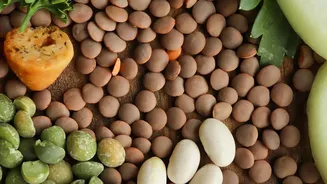
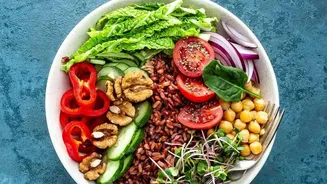
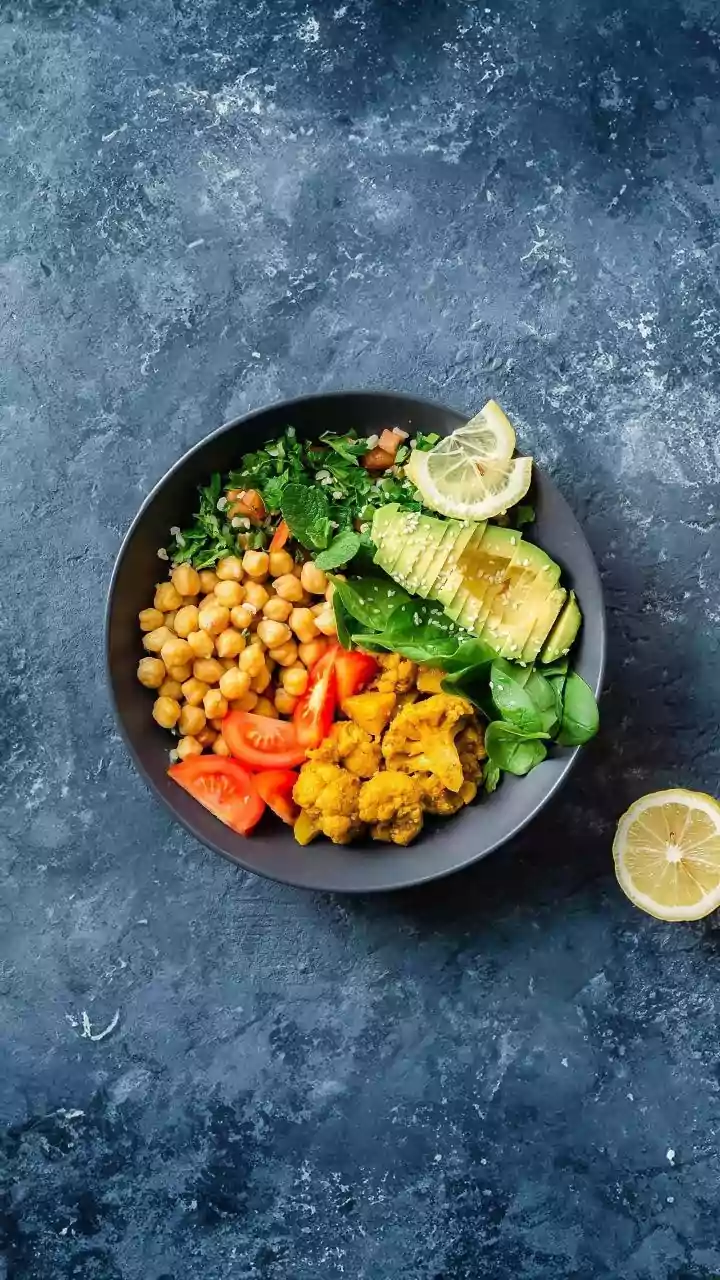
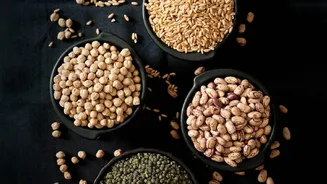
Increasing your fibre doesn't require a drastic diet overhaul. It's about making small, consistent additions. Many staples of the Indian diet are naturally rich in fibre. Prioritise whole grains like bajra, jowar, ragi, and whole wheat atta over refined versions. Lentils and legumes, such as chana, rajma, and moong dal, are fibre powerhouses. Incorporate a variety of seasonal vegetables and fruits into your meals; carrots, green peas, spinach, guava, and bananas are excellent choices. Remember to increase your fibre intake gradually and drink plenty of water to help your digestive system adapt and avoid bloating.