


The Fasting Foundation
For many communities, Navratri is a period of spiritual discipline marked by a sattvic, or pure, diet. This typically means abstaining from grains like wheat and rice, lentils, onions, garlic, and regular table salt. Instead, the pantry is stocked with
alternative flours such as kuttu (buckwheat), singhara (water chestnut), and rajgira (amaranth). Sabudana (tapioca pearls), fruits, dairy, and specific vegetables like potatoes and pumpkin become the mainstays. Seasoning is minimal, with sendha namak (rock salt), cumin, and black pepper being the primary flavouring agents. This shared culinary grammar forms the base upon which regions build their distinct Navratri menus.
Northern Plains: A Hearty, Grain-Free Table
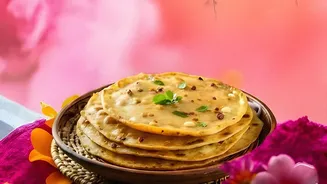
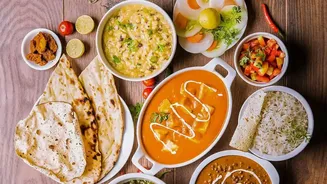
In North Indian states like Uttar Pradesh, Punjab, and Haryana, the fast is observed with wholesome, energy-giving dishes. Kitchens are busy preparing crisp kuttu ki puri (buckwheat flatbread) and flavourful aloo ki sabzi, a simple potato curry made without onion or garlic. The hilly Kumaon region of Uttarakhand offers its own unique dishes, often utilizing local produce. Here, you might find jhangora ki kheer, a dessert made from barnyard millet, which is a permissible 'grain' during the fast. Dairy plays a significant role, with yogurt, paneer, and kheer providing richness and sustenance.
Western India: The Gujarati and Maharashtrian Spread
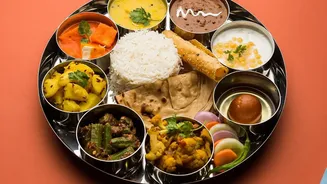
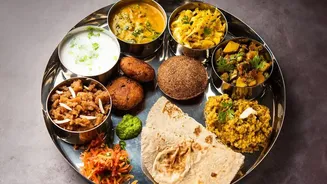
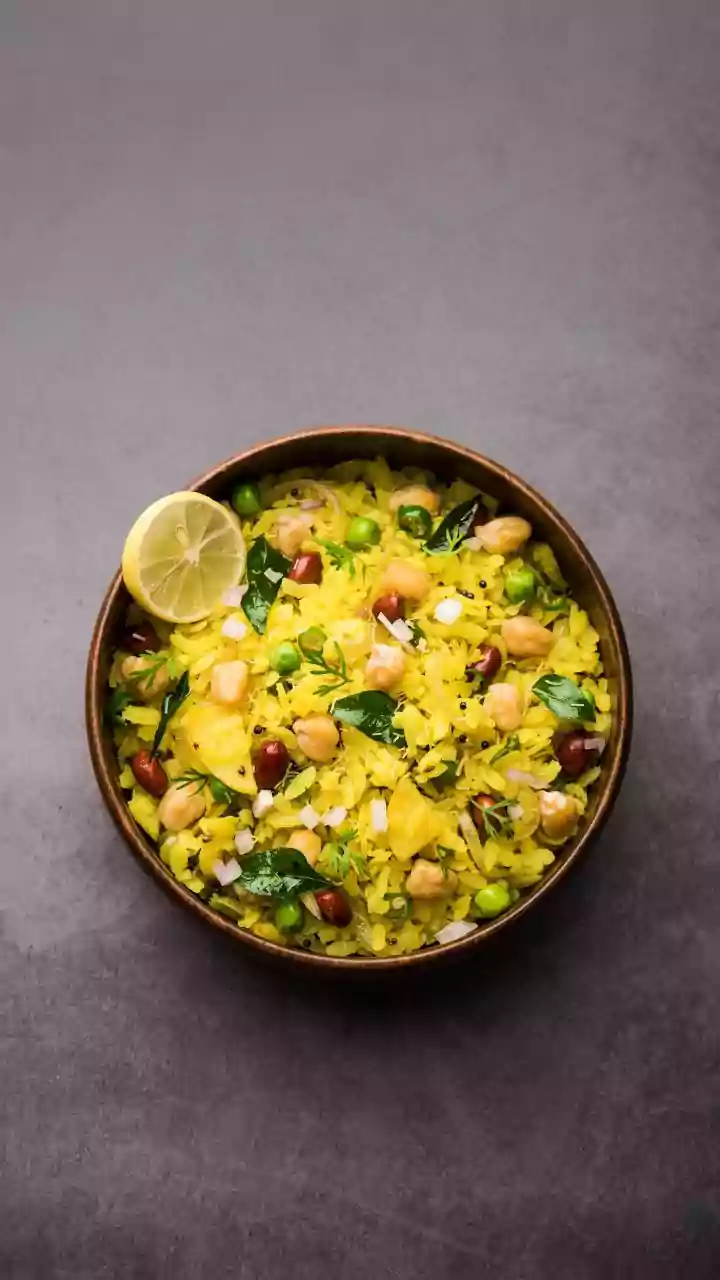
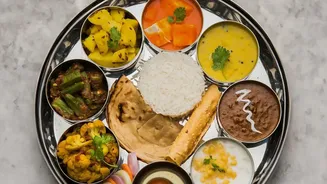
Move west, and Navratri takes on a vibrant, celebratory flavour, especially in Gujarat. While fasting is still central, the 'farali' menu is extensive. Dishes like sabudana khichdi, rajgira puri, and farali pattice (a spiced potato cutlet) are common. In Maharashtra, sabudana is also a star, appearing in the ever-popular sabudana vada and khichdi, which provide a quick energy boost. These states have perfected the art of creating a delicious and satisfying thali that adheres to all the rules of the vrat, showcasing how culinary creativity thrives within constraints.
Eastern India: A Feast for the Goddess
In stark contrast to the fasting traditions elsewhere, Navratri in West Bengal, celebrated as Durga Puja, is a time of feasting. It is seen as the homecoming of the goddess, a joyous occasion celebrated with elaborate meals. From the sixth day (Shashthi) onwards, Bengali kitchens and community pandals serve up a grand spread. While a special vegetarian bhog of khichuri, labra (mixed vegetables), and payesh (kheer) is offered to the deity, homes often prepare elaborate non-vegetarian delicacies like kosha mangsho (mutton curry) and fish preparations. This reflects how regional culture and even geography—Bengal's river-rich landscape has long made fish a staple—profoundly shape religious observance.
Southern Grace: The Tradition of Sundal
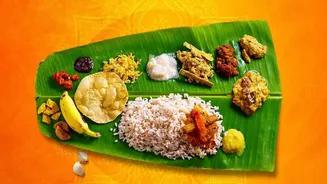
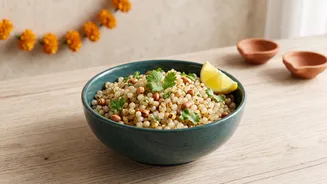
In the southern states, particularly Tamil Nadu, Navratri is famous for the Golu doll displays and a unique culinary tradition: sundal. Sundal is a simple yet protein-rich dish made from different legumes or pulses, such as chickpeas, black-eyed peas, or peanuts. Each day of the festival, a different variety of sundal is prepared as a prasad (offering). It is tempered with mustard seeds, curry leaves, and fresh coconut, and then distributed to guests who visit homes to see the Golu. This tradition offers a nutritious, light, and delicious way to mark the nine days, representing a beautiful synergy of health, community, and devotion.