




A Tipping Point for Petrol
For decades, the Indian car market ran on petrol. It was the default choice for the majority of passenger vehicle buyers. That dominance is now officially over. According to data from the Federation of Automobile Dealers Associations (FADA), petrol-powered
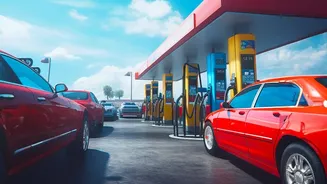
vehicles accounted for just 40.85% of retail sales in August 2026. This marks a significant decline from 46% just a year prior. For the first time in history, the combined market share of alternative fuels—Compressed Natural Gas (CNG), electric vehicles (EVs), and hybrids—surpassed petrol, reaching 41.95%. While petrol remains the largest single fuel category, its throne is being challenged not by one, but by a coalition of alternatives that are collectively reshaping consumer choice.
The Undeniable Rise of CNG
Leading the charge against petrol is CNG. It has emerged as the most significant alternative, capturing a record-high market share of over 25% in August 2026. This surge isn't accidental. With petrol prices remaining high, the significantly lower running cost of CNG has become a compelling proposition for budget-conscious buyers. Automakers, particularly Maruti Suzuki and Hyundai, have aggressively expanded their portfolios of factory-fitted CNG models, offering options from small hatchbacks to SUVs. Maruti Suzuki, which commands nearly 70% of the CNG market, has seen its CNG sales grow robustly, signalling a deep and wide acceptance of the fuel. For many buyers, CNG is no longer just a compromise; it's a pragmatic economic decision.
EVs and Hybrids Gain Serious Momentum
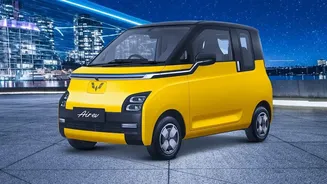
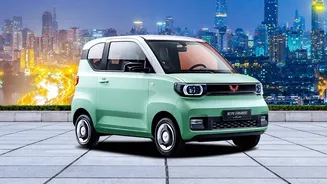
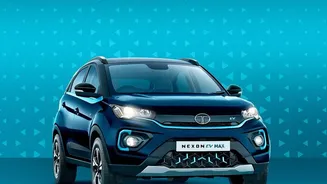
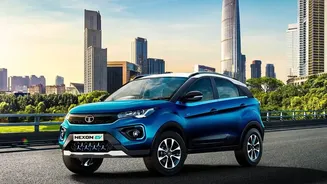
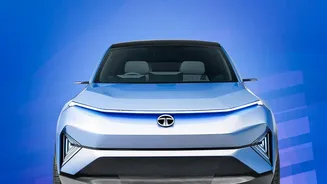
While CNG tackles the cost-conscious segment, electric vehicles and hybrids are capturing the imagination of a different set of buyers. EV sales have grown impressively, with market penetration reaching 7.7% in August 2026, up from 5.9% a year earlier. This growth is fueled by a confluence of factors: government incentives, expanding public charging infrastructure, and a wider variety of models from manufacturers like Tata Motors and Mahindra & Mahindra. Hybrids, too, are carving out a crucial niche, contributing around 9% to sales. They offer a bridge for consumers who want better fuel efficiency than petrol but aren't ready to go fully electric. The growing presence of both technologies shows that the market is diversifying to meet different needs and comfort levels with new technology.
What This Means for Automakers
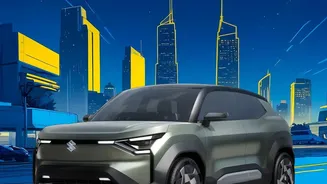
This multi-fuel transition is forcing a strategic rethink across the industry. Companies can no longer rely on a petrol-centric strategy. Maruti Suzuki is a prime example, betting heavily on a 'technologically neutral' approach that includes petrol, CNG, strong hybrids, and upcoming EVs. Tata Motors has adopted a multi-powertrain strategy, offering petrol, diesel, CNG, and a leading portfolio of EVs. In contrast, some automakers that have been slower to embrace CNG and hybrids are now playing catch-up. The market is sending a clear message: a one-size-fits-all approach is obsolete. The winners of the next decade will be the companies that can offer a diverse range of powertrains that cater to India’s varied consumer demands and economic realities.