

The Danger Zone Explained
The most common cause of foodborne illness isn't undercooking, but improper cooling. When cooked food is left at room temperature for too long, it enters what food safety experts call the “danger zone.” This is the temperature range between 40°F (5°C)
and 140°F (60°C), where bacteria can multiply at an alarming rate, sometimes doubling in number every 20 minutes. The goal is to move your leftovers through this zone as quickly as possible. The rule of thumb is to cool food from hot temperatures down to 70°F (21°C) within two hours, and then from 70°F down to 40°F (5°C) or below in the next four hours. Simply putting a large, hot pot in the fridge won’t work; it can take a day for the center to cool, creating a perfect breeding ground for bacteria.
Why Shallow Portions Are Critical
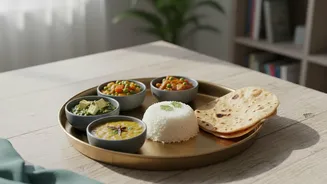
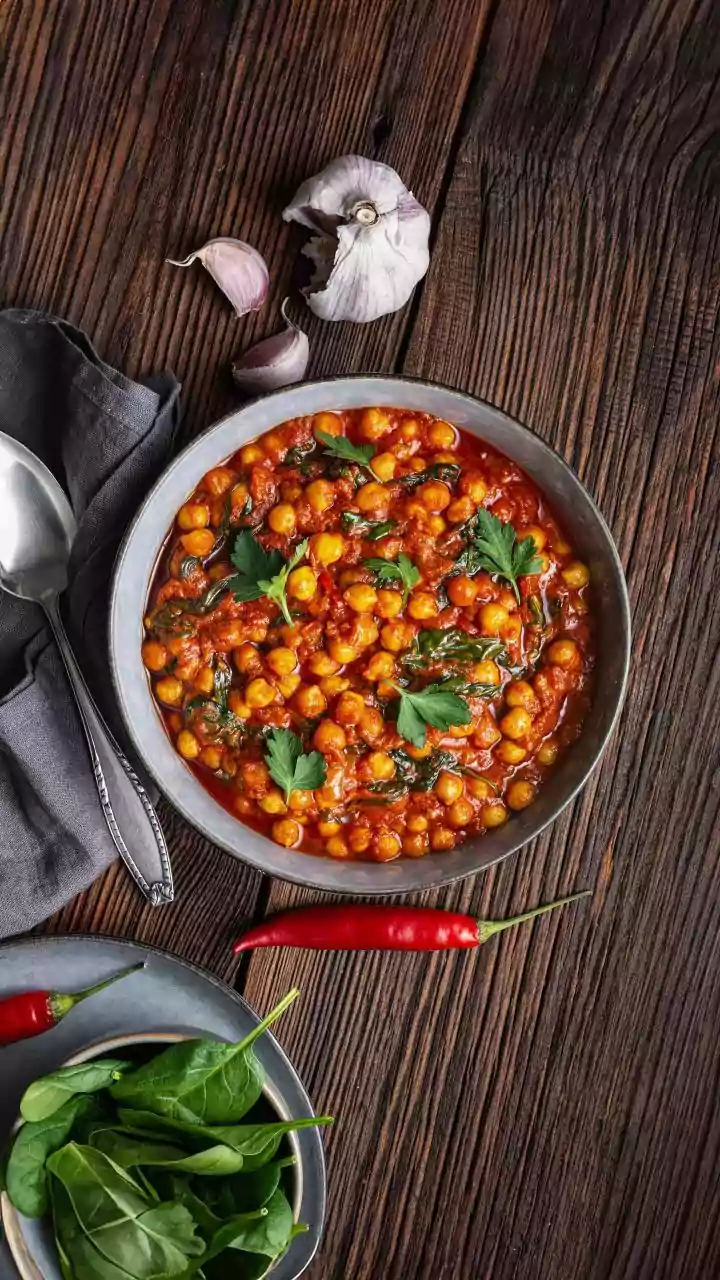
Think of it as a simple law of physics: the more surface area an object has, the faster it releases heat. A large, deep pot of food has a very low surface-area-to-volume ratio, meaning the food in the center stays dangerously warm for hours. The single most effective way to speed up cooling is to divide the contents of that large pot into several smaller, shallow containers. Aim for a food depth of no more than two to three inches. Spreading a thick stew or dal across a wide, shallow pan drastically increases the surface area exposed to cooler air, allowing heat to escape rapidly. This simple step of portioning is the foundation of safe cooling.
The Role of the Container and Cover
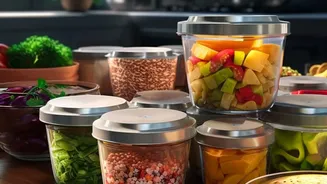
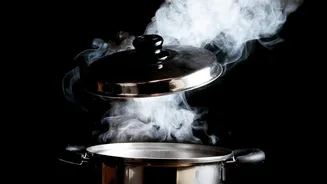
Once your food is in shallow portions, the next question is when and how to cover it. Putting a tight lid on a still-hot container is a mistake; it traps steam and heat, slowing down the cooling process just like leaving it in the deep pot would. Instead, the best practice is to allow the food to cool slightly, letting the initial steam escape. You can leave the containers uncovered on a counter for about 20-30 minutes, or place them in the refrigerator loosely covered. A loose cover allows heat to escape while protecting the food from any accidental contaminants. Once the food is cool to the touch or has reached the target refrigerator temperature of 40°F (5°C), you can then seal the container tightly for storage.
Your Unified Cooling Checklist
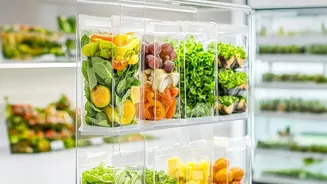
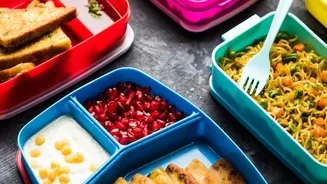
Instead of viewing these as separate tasks, think of them as one continuous process. Here is your checklist for turning a large pot of hot food into safely stored leftovers: 1. Divide Immediately: As soon as the meal is over, portion the large batch of food into multiple shallow containers. Metal containers will transfer heat more quickly than plastic. 2. Increase Surface Area: Spread the food out so it is no more than two or three inches deep. For large cuts of meat, slice them into smaller pieces first. 3. Vent and Cool: Allow the containers to sit for a short period to vent steam. If placing them directly into the fridge, cover them loosely so heat can still escape. Ensure there is space around the containers for air to circulate; don't stack them while they are still warm. 4. Cover and Store: Once the food has cooled down (ideally to 40°F or 5°C), seal the containers tightly. Label them with the date and plan to consume them within three to four days.
Accelerate Cooling with These Hacks
If you're in a hurry or dealing with a very large quantity of food, there are ways to speed up the process even more. One popular method is an ice bath. Place your large pot (or smaller containers) in a clean sink filled with ice and a little cold water. Stirring the food during the ice bath will help it cool down much more rapidly. For soups and stews, you can also use an “icé paddle,” which is a large, sealed plastic wand filled with water and frozen. Stirring the food with an ice paddle cools it from the inside out. These active cooling methods ensure your food spends minimal time in the temperature danger zone.