





Assess the Damage, But Don’t Walk on the Soil
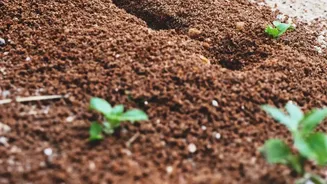
The immediate aftermath of a flood is critical. Your first instinct might be to rush in, but it's crucial to stay off the waterlogged soil to avoid compaction, which squeezes out the little oxygen that remains. When soil is saturated for more than 24-48
hours, the beneficial aerobic microbes that need oxygen to survive begin to die off, while anaerobic microbes, which can produce substances toxic to plants, start to multiply. This is what causes the sour or rotten smell in flooded soil. Your initial task is to assess the situation. Note areas with standing water and any visible contamination, like a sheen of oil, which may require professional help. Gently remove heavy debris that is crushing plants, but avoid major work until the soil has started to dry.
Prioritise Aeration to Bring Soil Back to Life
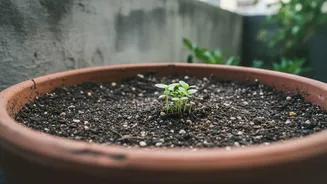
Oxygen is the key to recovery. As soon as the soil is no longer muddy and is just damp, you can begin the process of aeration. For garden beds, this can be done by gently using a garden fork to create small channels into the soil, being careful not to turn it over like you would when tilling. This process breaks up compacted layers and allows air to penetrate the soil profile again. This reintroduction of oxygen is vital for stopping the growth of harmful anaerobic bacteria and creating a welcoming environment for the beneficial aerobic microbes to return. In container gardens, you can ensure drainage holes are clear and even elevate the pots on bricks or 'pot feet' to improve air circulation underneath.
Introduce Beneficial Microbes for Rapid Recovery
This is the core of the rapid recovery strategy. Floods wash away not just nutrients, but the vast community of bacteria and fungi that make soil a living ecosystem. You can kickstart the recovery by reintroducing these beneficial microorganisms. Adding a generous layer of high-quality compost or well-rotted manure is an excellent way to do this. These materials are teeming with the diverse microbial life your soil needs. For an even faster and more targeted boost, you can use commercially available microbial inoculants, sometimes sold as 'compost tea' or 'probiotic' sprays. These concentrated products deliver a powerful dose of the specific microbes that help break down organic matter, fight off disease, and make nutrients available to plants again.
Use Biochar to Supercharge the Rebound
Emerging research highlights the powerful role of biochar in flooded soil recovery. Biochar is a type of charcoal made by heating organic material in a low-oxygen environment. Its incredibly porous structure acts like a high-rise building for microbes, providing them with a safe habitat to colonize. When added to soil, biochar improves drainage, reduces compaction, and helps retain nutrients that would otherwise be washed away. Studies show that it can promote the activity of beneficial microbes, helping to rejuvenate degraded soils more quickly. Combining biochar with compost can be particularly effective; the compost provides the microbes, and the biochar provides the ideal, lasting home for them to thrive in.
Plan for Future Resilience
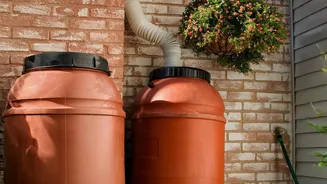
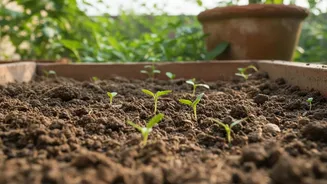
Once your garden is on the road to recovery, think about long-term resilience. Flooding in urban areas is becoming more common, and a few adjustments can help your garden withstand future events. Building raised beds can keep your most valuable plants above the level of minor flooding. Consistently adding organic matter like compost, leaf mould, and mulch will improve your soil's structure over time, allowing it to both hold moisture in dry times and drain more quickly during wet times. A healthy, well-structured soil rich in organic matter and microbial life is your best defence. Research has shown that a healthy soil microbiota can become resilient and recover within about three weeks, even after significant flooding, provided it has the right conditions.