


The Monsoon's Magic Carpet
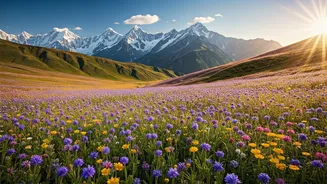
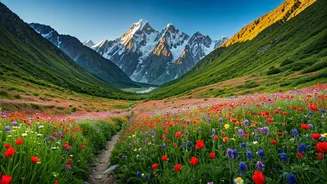
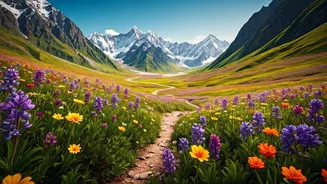
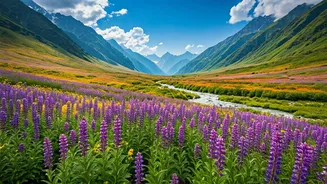
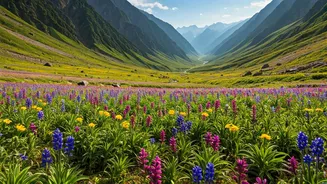
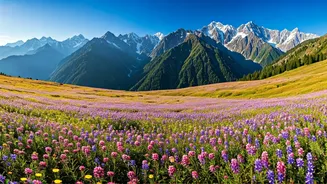
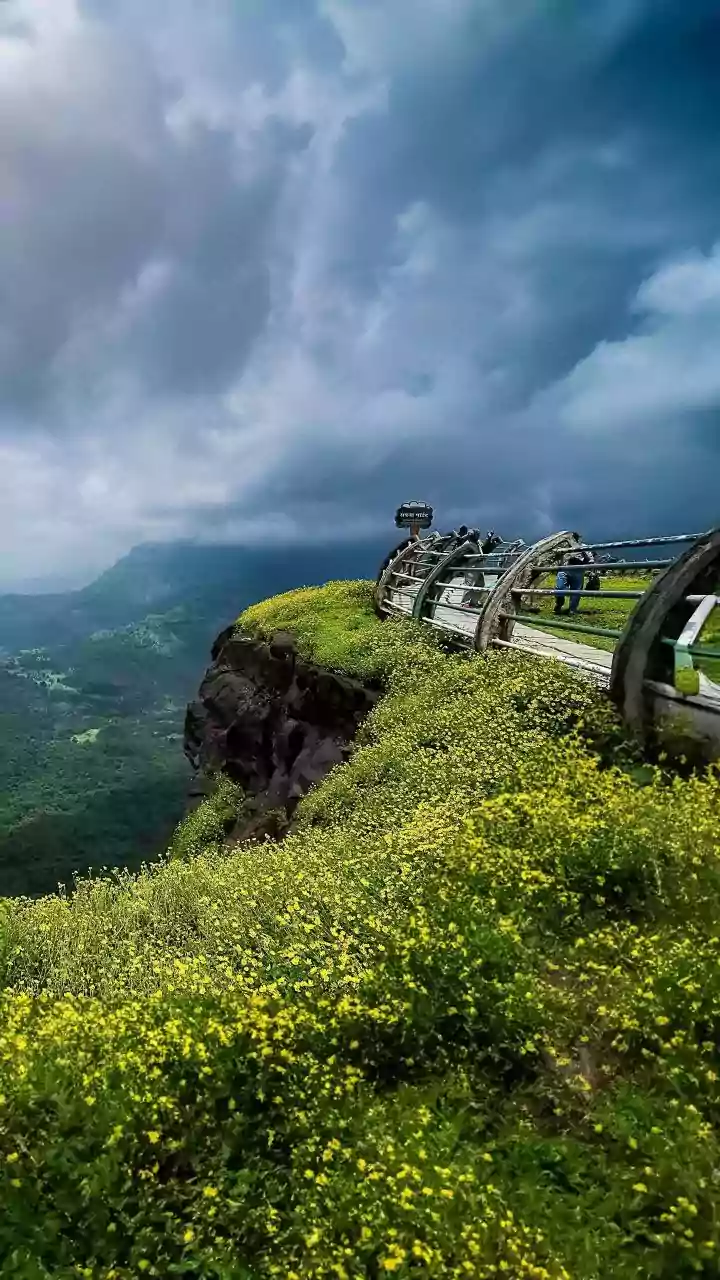
Every year, as the monsoon showers kiss the Himalayas, a breathtaking natural event unfolds. The vast alpine meadows of Uttarakhand, known locally as 'bugyals', shrug off their winter whites and burst into life. This is the alpine flowering season, a period
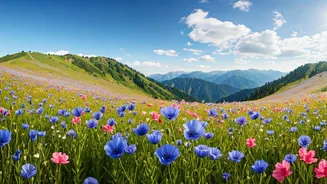
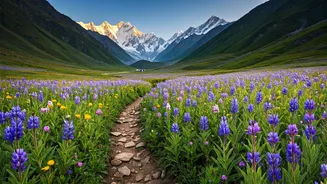
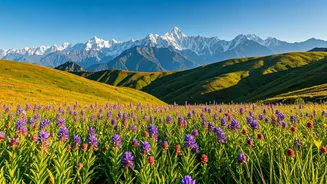
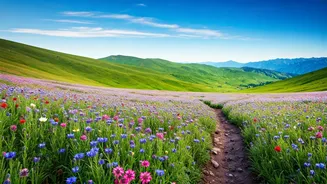
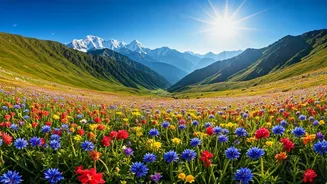
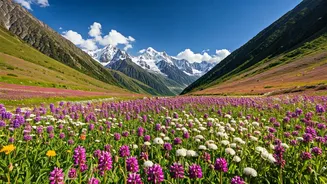
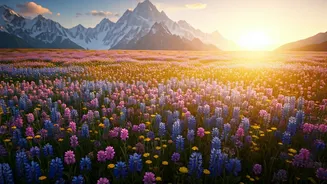
from late June to September when millions of wildflowers bloom, creating a vibrant carpet of blue, pink, yellow, and white against a backdrop of towering peaks. This is not just a pretty sight; it's a fragile ecosystem coming alive. The bloom attracts botanists, trekkers, and photographers from around the world, all eager to witness a landscape that feels more like a painting than reality.
Where to Witness the Spectacle
While many high-altitude areas will show colour, a few locations are legendary. The most famous is the UNESCO World Heritage site, the Valley of Flowers National Park. Accessible via a trek from Govindghat, this valley is a veritable Eden, home to over 500 species of flowering plants, including the elusive Blue Poppy and the cobra lily. Another prime spot is Auli. While known for skiing in winter, its grassy slopes are covered with wildflowers post-monsoon. For those seeking a less-crowded experience, the Dayara Bugyal and Gorson Bugyal offer vast, undulating meadows that become a canvas for this floral display. Each location offers a different trekking experience and a unique combination of flora.
Timing Your Visit for Peak Bloom
The headline's 'mid-July' prediction is a strong guideline for the peak season, especially in the Valley of Flowers. The season typically begins in late June as the snow recedes and the first flowers appear. The bloom intensifies through July, which is when the density and variety are often at their highest. By August, a new set of flowers takes over, so the colour palette of the valley changes. The season usually winds down by mid-September as temperatures drop and the first signs of autumn appear. For the best experience, plan your trek between the second week of July and the third week of August. However, be prepared for rain; the monsoon is what makes this magic possible, so waterproof gear is essential.
A Symphony of Himalayan Flora
The sheer diversity of flowers is staggering. You don't need to be a botanist to appreciate the beauty, but knowing a few names can enhance the experience. Keep an eye out for the Brahmakamal, the state flower of Uttarakhand, which blooms at very high altitudes, often on rocky cliffs. The Himalayan Blue Poppy (Meconopsis aculeata) is a trekker's holy grail, a stunningly vibrant flower that's a rare sight. You'll also find carpets of Geraniums, Potentillas, and Himalayan Bellflowers. In the Valley of Flowers, you might also spot the Anemone, Forget-me-not, and the unusual Arisaema (Cobra Lily). Remember that these are protected areas; plucking flowers is strictly forbidden.
Planning Your Alpine Adventure
A trip to see the alpine bloom requires planning. For the Valley of Flowers, you will need a permit, which can be obtained at the entry point. The trek is of moderate difficulty, and it's advisable to acclimatise properly to the altitude. Hiring a local guide is highly recommended; they can navigate the trails safely and point out unique flora you might otherwise miss. Pack layers of clothing, as the weather can change rapidly. A sturdy pair of waterproof trekking shoes, a good raincoat, a basic first-aid kit, and sunscreen are non-negotiable. Accommodation is available in nearby villages like Ghangaria (for the Valley of Flowers) or Joshimath (for Auli), but it's wise to book in advance, as this is a popular season.