
As the air turns crisp, the craving for a warm, comforting snack grows. While shelves are stocked with pricey 'gourmet' options, an old-world classic, the roasted chestnut, offers a more satisfying and affordable alternative.
The Deliciously Simple Cost-Benefit Analysis
Let's talk numbers. A small
bag of premium flavoured nuts or artisanal chips can easily set you back ₹300 or more for just a couple of hundred grams. In contrast, fresh chestnuts are significantly more economical. While prices vary by region, you can often find them for around ₹400-500 per kilogram from various sellers. Even premium online grocers list them at about ₹370 for 500 grams. When you do the maths, the cost per serving for homemade roasted chestnuts is drastically lower. You are not paying for fancy packaging, branding, or complex processing—just the pure, simple goodness of the nut itself. This simple swap can lead to substantial savings over the snacking season, without compromising on flavour or satisfaction.
How to Pick the Perfect Chestnuts
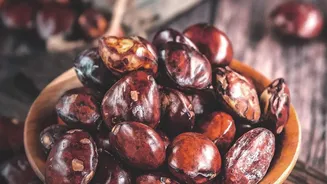
Your roasting success begins at the market. When selecting fresh chestnuts, treat them more like fresh produce than durable, dry nuts. Look for nuts that feel heavy for their size, with glossy, firm shells. Give them a gentle squeeze; a good chestnut will have a slight give, indicating it's well-cured and sweet. Avoid any with wrinkled skin, mouldy spots, or cracks, as these are signs of age or improper storage. Remember, unlike almonds or walnuts, chestnuts have high moisture content and are perishable, so they should be stored in the refrigerator in a perforated bag and used within a couple of weeks for the best quality.
Roasting at Home: A Step-by-Step Guide
Roasting chestnuts is easier than you think and fills your home with an irresistible aroma. First, preheat your oven to around 180-200°C. The most critical step is to score each chestnut. Using a sharp paring knife, carefully cut an 'X' on the rounded side of the nut. This is a crucial safety measure that allows steam to escape, preventing the chestnuts from exploding in the oven. While optional, many chefs recommend soaking the scored chestnuts in water for anywhere from 30 minutes to an hour. This helps them steam from the inside, making them more tender and easier to peel. After soaking, pat them dry, arrange them in a single layer on a baking sheet, and roast for 20-35 minutes. You'll know they're done when the shells curl back and the nutty fragrance is undeniable.
Peeling, Serving, and Savouring
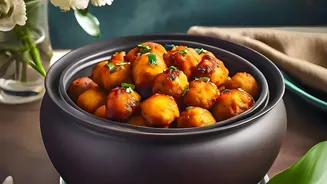
The final trick to perfect chestnuts is the post-roast 'swaddle'. Once you pull them from the oven, wrap the hot chestnuts in a clean kitchen towel for about five to ten minutes. This traps the steam and makes the shells and the pesky inner skin much easier to remove. It’s best to peel them while they are still warm. Enjoy them immediately as is, with their naturally sweet, crumbly texture. For a little extra flair, toss the warm, peeled nuts with a pinch of salt and melted butter, or a sprinkle of cinnamon and sugar for a festive treat. They are a perfect snack on their own or can be added to stuffings, soups, and desserts.
More Than Just a Snack
Beyond the cost savings, homemade roasted chestnuts offer a host of other benefits. They are nutritionally unique among nuts, being lower in fat and calories and rich in carbohydrates and fibre. Chestnuts are also an excellent source of Vitamin C, though some is lost during cooking. The high fibre content helps with digestion and can aid in stabilising blood sugar levels. But perhaps the greatest benefit is the experience itself—the simple, satisfying ritual of roasting them creates a sense of warmth and tradition that no packaged snack can replicate.