





A New Chapter for Indian Tourism
India's tourism sector is undergoing a significant transformation. Once focused primarily on heritage and leisure, the market has expanded to embrace a wider array of experiences, including spiritual, wellness, rural, and wildlife travel. According to a recent
joint report, this diversification is a key driver of the next wave of growth in Indian tourism. Wildlife tourism, in particular, is experiencing a surge, with one market analysis predicting a compound annual growth rate (CAGR) of 10.3% for the sector in India between 2026 and 2033. This boom is fuelled by both domestic and international travellers who are increasingly seeking immersive and authentic encounters with nature.
Beyond the Tiger Trail
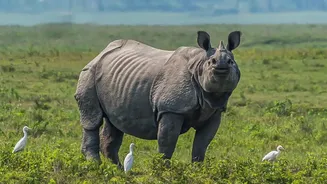
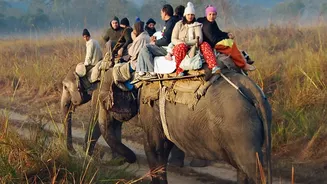
While the Royal Bengal tiger remains an iconic draw, India's wildlife appeal is broadening. Travellers are now exploring diverse ecosystems, from the mangrove forests of the Sundarbans, home to tigers, to Gir National Park in Gujarat, the only place to see Asiatic lions in the wild. Destinations like Kaziranga in Assam, famous for its one-horned rhinoceros, and Periyar in Kerala, known for its elephant herds, are gaining prominence. This shift is also opening up relatively unexplored areas. For example, Sanjay Dubri National Park in Madhya Pradesh is emerging as a promising destination, prompting major hospitality brands like ITC Hotels to establish luxury properties there. This expansion highlights a growing appreciation for India's vast biodiversity beyond its most famous species.
Government Initiatives Fuelling Growth
The central government is actively nurturing this trend through strategic initiatives. The 'Dekho Apna Desh' campaign, launched in 2020, encourages Indians to explore their own country, with a specific category for 'Nature & Wildlife' destinations. This is complemented by the revamped Swadesh Darshan 2.0 scheme, which has shifted from developing thematic circuits to a more holistic, destination-centric approach. The scheme now focuses on creating sustainable and responsible tourism hubs, with eco-tourism and wildlife being key components. By funding infrastructure and promoting lesser-known locales, these programs are making wildlife destinations more accessible and attractive to a broader audience.
The Rise of the Mainstream Wildlife Tourist
The profile of the wildlife tourist is changing. It's no longer just the domain of hardcore enthusiasts and photographers. Today, families, groups of friends, and luxury travellers are flocking to national parks and sanctuaries. This new demographic seeks more than just a safari; they desire comfortable, well-managed, and holistic experiences. The hospitality industry has responded swiftly. There's a notable increase in the development of branded hotels, luxury eco-lodges, and wellness retreats near wildlife destinations. These properties offer curated experiences that combine wildlife exploration with nature immersion, wellness, and local culture, catering to a traveller who values comfort and sustainability as much as adventure.
Balancing Conservation with Commerce
This rapid growth brings both opportunities and responsibilities. The key challenge is to ensure that the tourism boom does not harm the very ecosystems it depends on. In response, a 'conservation-first' model is being pioneered in places like Manas National Park in Assam. This approach focuses on spreading tourist activity beyond core areas, promoting community-run homestays and services, and making trained local youths compulsory guides. This not only creates direct livelihood opportunities for local communities but also enriches the visitor experience with authentic knowledge. The emphasis on sustainable practices, mandated by schemes like Swadesh Darshan 2.0, aims to ensure that as wildlife tourism grows, it contributes positively to both local economies and the preservation of India's natural heritage.