
A Conscious Stand Against Plastic
The primary driver behind this trend is a growing environmental consciousness. Younger generations, now setting up their own homes, are acutely aware of the problems posed by single-use plastics. Festive decorations, often made from non-biodegradable
materials, contribute significantly to pollution, ending up in landfills after just a few weeks of use. Choosing terracotta is a deliberate move towards sustainability. Made from natural clay, it is a renewable and biodegradable material. Unlike plastic, which has a heavy environmental manufacturing footprint, terracotta returns to the earth, making it a guilt-free choice for a generation that prioritizes the planet. This choice reflects a broader shift away from a throwaway culture towards items that are both beautiful and responsible.
Connecting with Cultural Roots
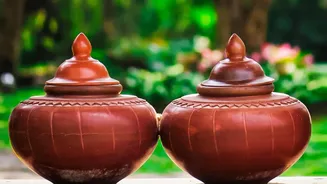
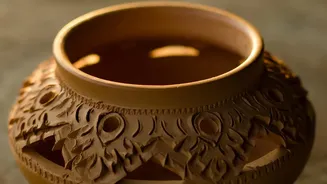
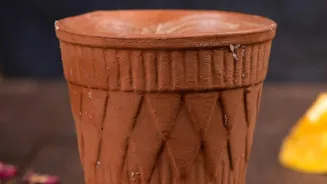
For many, terracotta is more than just an eco-friendly material; it's a connection to heritage. Clay diyas, matkas for water, and urlis for floating flowers have been staples in Indian households for centuries. By incorporating these items, young homeowners are not just decorating; they are paying homage to a timeless tradition. In a world of fast-moving trends and mass-produced goods, the authenticity of a handcrafted terracotta piece offers a sense of grounding and nostalgia. This return to roots is a reaction against the generic, identical decor items that have flooded the market, with a preference for pieces that feel personal and culturally significant.
Modern Aesthetics, Timeless Material
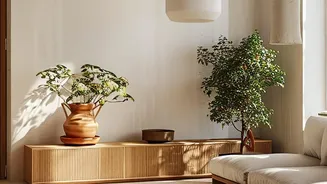
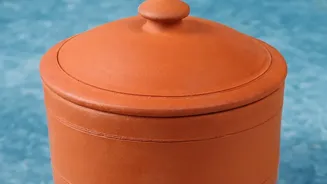
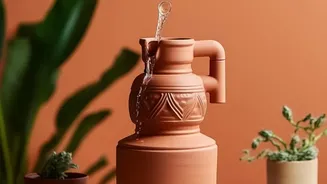
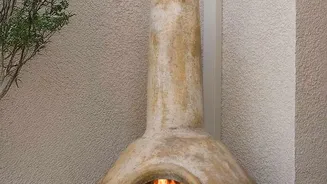
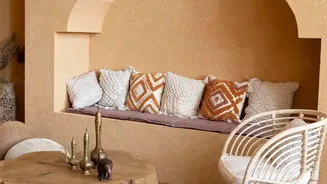
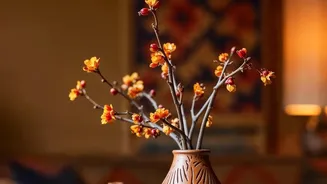
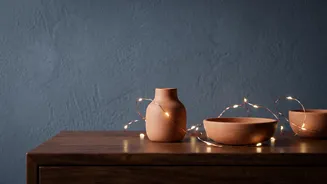
The terracotta of today is not limited to just traditional forms. Designers and artisans are reimagining this humble material for the modern home. You'll now find terracotta in minimalist planters, chic wall art, contemporary vases, and sleek tableware that appeal to a younger aesthetic. The warm, earthy tones of terracotta provide a perfect antidote to the cold, minimalist interiors that have been popular for years, adding instant warmth and texture to a space. It pairs beautifully with other natural materials like wood, jute, and linen, fitting seamlessly into popular decor styles like bohemian, rustic, and modern organic. This versatility allows homeowners to embrace a traditional material without making their space look dated.
Supporting Local Artisans
The decision to buy terracotta is also an economic one. The 'vocal for local' movement has gained significant traction, encouraging consumers to support small businesses and local craftspeople. The handicraft sector, which employs millions of artisans in India, has faced stiff competition from mass-produced plastic goods. By purchasing handmade terracotta items, young buyers feel they are making a tangible difference, helping to preserve generational skills and support local economies. This conscious consumerism transforms a simple purchase into a meaningful act of support, adding an emotional value that no factory-made item can replicate. For many, knowing their decor was shaped by human hands is a feature worth paying for.
The Practical Perks of Baked Earth
Beyond the ethics and aesthetics, terracotta offers practical advantages. Items made from clay are often more durable than their cheap plastic counterparts, which can easily break or lose their sheen. As a material for planters, terracotta is porous, which allows for better air and water circulation, leading to healthier plants—a big plus for the growing number of plant parents in urban areas. While heavier than plastic, this also provides better stability for larger decor pieces or plants, making them less likely to tip over. These functional benefits make terracotta not just a beautiful choice, but a smart one for the long term.