







The Culprit: A Blood Sugar Rollercoaster
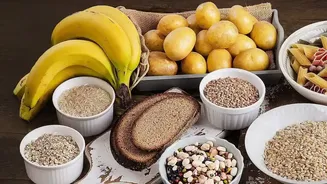
That sleepy, foggy feeling you get a couple of hours after a meal is often the result of a rapid spike and subsequent crash in your blood sugar levels. When you consume carbohydrates, especially refined ones like white bread, pasta, or rice, they are
quickly broken down into glucose. This flood of sugar into your bloodstream prompts your body to release a large amount of insulin to manage it. While insulin does its job of moving glucose into your cells for energy, the aggressive response can overcorrect, causing your blood sugar to dip sharply. This crash is what triggers the fatigue, irritability, and brain fog we call the afternoon slump.
A Simple Solution: The Power of Food Sequencing
Fortunately, there’s a simple, science-backed strategy to prevent this energy rollercoaster: food sequencing. This approach isn’t about changing what you eat, but rather the order in which you eat it. The principle is to eat vegetables and their fibre first, followed by proteins and fats, and save carbohydrates for the end of the meal. Studies have shown that this method can significantly flatten the post-meal glucose curve, leading to more stable energy. One popular advocate for this method, biochemist Jessie Inchauspé, suggests this simple change can reduce a glucose spike by a significant margin.
How a 'Veggie Starter' Works Its Magic
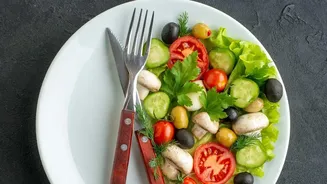
The magic behind this method lies in the power of fibre. When you start your meal with a raw salad or other non-starchy vegetables, the fibre creates a sort of mesh in your digestive tract. This physical barrier slows down gastric emptying—the rate at which food moves from your stomach to your small intestine. As a result, the carbohydrates you eat later are broken down and absorbed into your bloodstream much more gradually. This leads to a gentler rise in blood sugar, preventing the dramatic spike and the inevitable crash that follows. This effect is supported by numerous studies showing that a vegetable preload significantly ameliorates postprandial blood glucose levels.
Your Practical Guide to the Pre-Meal Salad
Implementing this strategy is straightforward. Your goal is to have a small, fibre-rich starter before the main part of your meal. What to include: Focus on leafy greens like spinach, arugula, or lettuce, and add other raw, non-starchy vegetables like cucumbers, tomatoes, bell peppers, or broccoli. Bitter greens can also be beneficial as they may help stimulate digestive enzymes. What about dressing? A simple vinaigrette is a great choice. In fact, some research suggests that the acetic acid in vinegar can further help manage blood sugar by slowing the breakdown of carbs. Healthy fats from olive oil or avocado can also aid in the absorption of fat-soluble vitamins from your vegetables. How much and when? You don't need a huge portion. Just a small bowl of salad consumed right before you move on to the protein and carbohydrate components of your meal is effective. The key is consistency and ensuring the vegetables are the very first thing you eat.
More Than Just Beating the Slump
Beyond stabilizing your energy levels, starting your meal with vegetables offers a host of other benefits. The fibre promotes feelings of fullness, or satiety, which can help with weight management by preventing overeating. By feeling full sooner, you might naturally consume fewer calories overall. This habit also ensures you are getting a healthy dose of vitamins, minerals, and phytonutrients at the start of every meal. Furthermore, the fibre acts as a prebiotic, feeding the beneficial bacteria in your gut and supporting long-term digestive health.