


More Than Meets The Eye
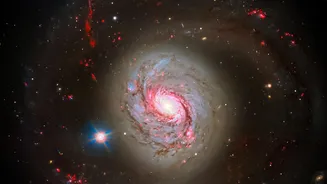
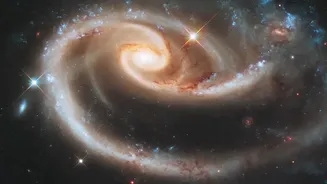
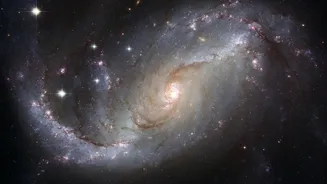
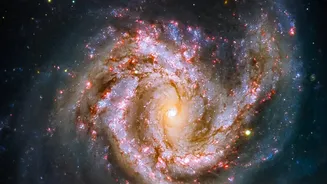
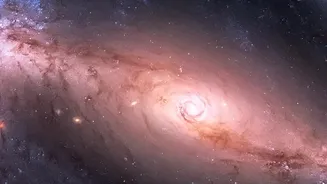
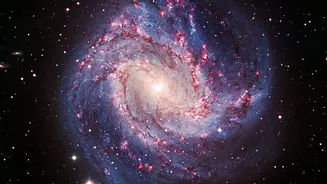
For decades, our image of a galaxy has been a dazzling swirl of stars, like our own Milky Way or the Andromeda galaxy. We saw them as majestic but self-contained islands in the vast emptiness of space. The latest observations, however, are shattering
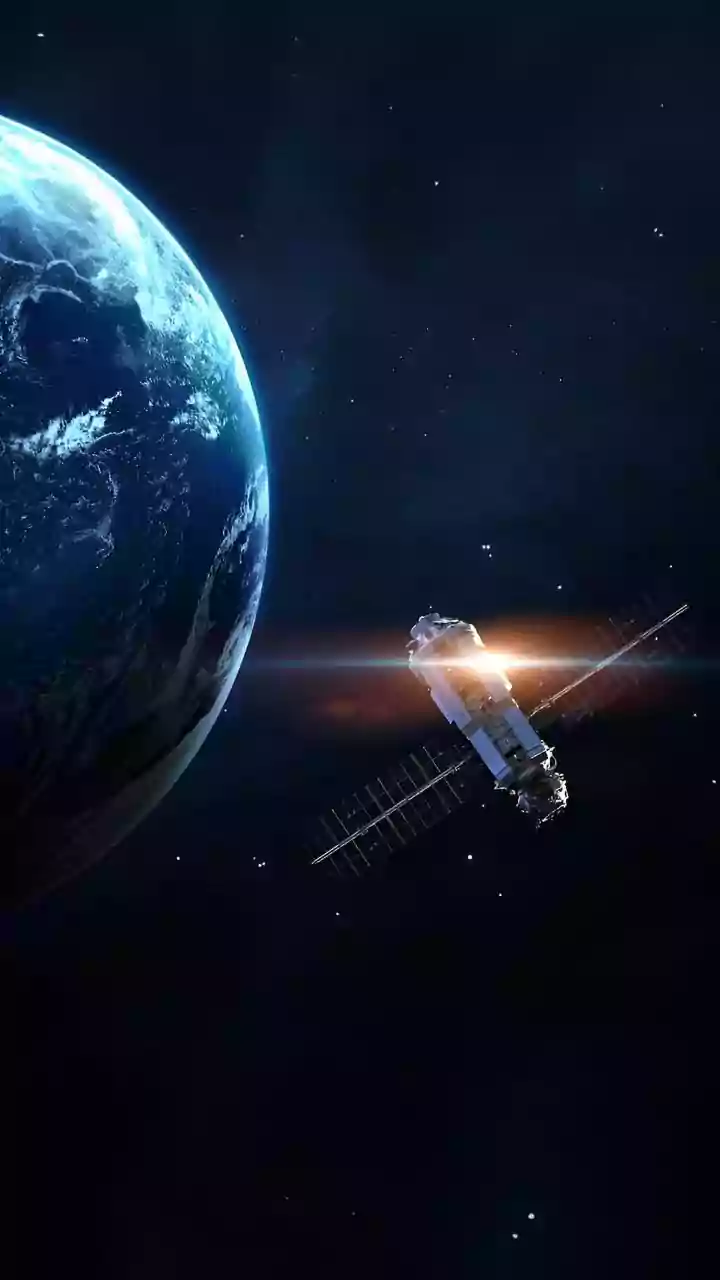
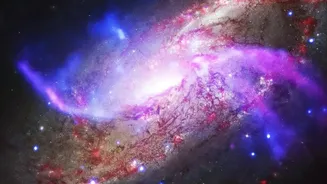
that picture. Astronomers are finding that these bright, visible disks are merely the very centre of much larger, more mysterious entities. Using the unprecedented sensitivity of new-generation space telescopes, scientists are uncovering vast, faint halos of stars and gas enveloping galaxies, extending their true size to be many times larger than what was previously visible. It’s as if we were looking at a city at night and could only see the brightly lit downtown core, and now someone has turned on the lights in the sprawling suburbs, revealing the true scale of the metropolis.
A New Light on the Universe
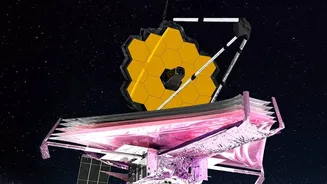
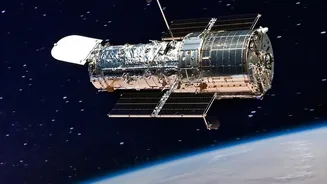
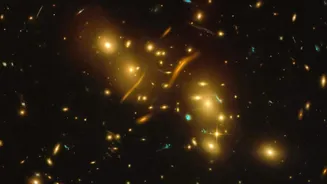
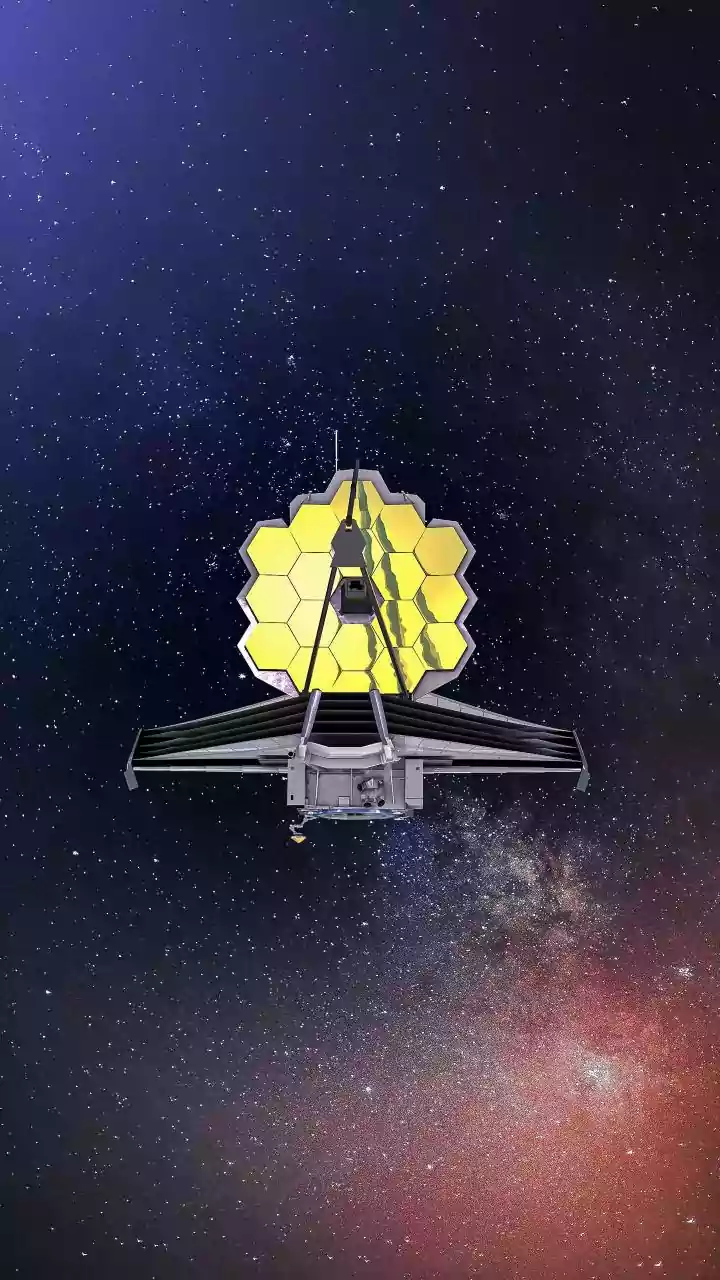
This revolution in understanding is powered by incredible technology, most notably the James Webb Space Telescope (JWST). While the Hubble Space Telescope gave us stunning views in visible light, JWST is designed to see the universe in infrared. This is crucial for two reasons. Firstly, as the universe expands, light from the most distant galaxies is stretched to longer, redder wavelengths, making infrared the only way to see them. Secondly, and perhaps more importantly for finding hidden structures, infrared detectors are incredibly sensitive to faint heat signatures. This allows JWST to pick up the feeble glow of sparse, ancient stars scattered in the galactic outskirts—stars that are simply too faint and far apart for older telescopes to register. It’s this ability to capture the faintest whispers of light against the dark background of space that has opened up this new frontier.
Ghosts of Galaxies Past
So, what exactly are these newly revealed structures? They are primarily stellar halos and tidal streams. A stellar halo is a vast, roughly spherical cloud of sparse stars and ancient star clusters that surrounds the main galactic disk. These new images show the halos are more massive and extend further than any model predicted. Winding through these halos are even more ephemeral structures: tidal streams. These are long, thin ribbons of stars that are the shredded remnants of smaller dwarf galaxies that have been torn apart by the gravitational pull of their larger host. Seeing these 'ghosts' of past meals provides a direct, visual record of a galaxy's violent history of cannibalism. By tracing these streams, astronomers can reconstruct how galaxies like our own grew over billions of years, one cosmic merger at a time.
Reshaping Cosmic Theories
These discoveries aren’t just about making galactic maps bigger; they have profound implications for our most fundamental theories about the cosmos. The dominant theory of galaxy formation is that they are built on a scaffolding of invisible dark matter. The visible matter—stars, gas, and dust—is thought to settle into the centre of these much larger dark matter halos. The newly revealed, enormous stellar halos are a much better match for the predicted size of these dark matter structures. In effect, we are finally seeing the visible ‘tip of the iceberg’ that traces the shape of the invisible dark matter beneath. This provides powerful new evidence for the existence of dark matter and gives scientists a new tool to map its distribution. It refines our understanding of the ‘cosmic web,’ the filamentary structure of matter that spans the universe, as these halos may be the points where galaxies connect to these massive threads.