



The Golden Rules of Food Scraps
Reusing kitchen scraps is a fantastic way to be sustainable, but safety must always come first. The primary risks are bacteria and cross-contamination. Harmful bacteria thrive in the 'Danger Zone' between 40°F (4°C) and 140°F (60°C). Any perishable food
left at room temperature for more than two hours (or one hour in temperatures above 90°F) should be discarded. Cross-contamination is another major concern; it's the transfer of harmful bacteria from one food or surface to another. This is especially risky when handling raw meat, poultry, or seafood. Always wash your hands, utensils, and cutting boards with hot, soapy water after they've touched raw meat. A good practice is to have separate cutting boards for raw proteins and produce.
Vegetable Trimmings: The Safe Bets
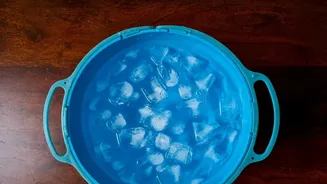
Most vegetable scraps are not only safe but also nutritious. Ends from onions, carrots, and celery, along with mushroom stems and corn cobs, are perfect for making a flavourful homemade stock. Just collect them in a bag in your freezer until you have enough. Broccoli stalks can be peeled and sliced for stir-fries or grated into slaws. Potato peels, provided they are from well-washed potatoes and show no signs of greening, can be tossed in oil and spices and roasted into crispy snacks. The key is cleanliness. Always scrub vegetables thoroughly before peeling or chopping to remove dirt and potential contaminants. Wilted greens that are not slimy or moldy can be revived in an ice bath or thrown into soups, stews, or smoothies for an extra nutrient boost.
Meat and Poultry Scraps: Handle with Extreme Care
This is the highest-risk category for food scraps. Raw meat and poultry trimmings can harbour dangerous bacteria like Salmonella, E. coli, and Campylobacter, which are major causes of foodborne illness. Never reuse trimmings that have come into contact with a dirty surface. The only safe way to use raw fat, skin, and bones is in a dish that will be cooked to a high temperature for a prolonged period, such as a broth or stock. The stock must be brought to a rolling boil to ensure it's safe. Leftover cooked meat should be stored in the refrigerator in a shallow, airtight container and consumed within three to four days. When reheating, ensure it reaches an internal temperature of 165°F (74°C).
Cross-Contamination: The Silent Kitchen Hazard
Even with the best intentions, cross-contamination can easily happen. Using the same plate or tongs for raw and cooked meat is a common mistake that can transfer bacteria. When preparing food, anything that touches raw meat — hands, knives, countertops, and even the trash can lid — can become a source of contamination. Be vigilant about cleaning. Wash surfaces and utensils thoroughly with hot, soapy water. Store raw meat, poultry, and seafood on the bottom shelf of your refrigerator in sealed containers to prevent juices from dripping onto other foods.
What to Always Discard
Not all scraps are created equal, and some should always go to the compost bin rather than the stockpot. Anything with visible mould should be thrown out immediately, as mold can produce toxins that cause illness. Certain parts of plants are toxic to humans. This includes rhubarb leaves, which contain oxalic acid, and the stems and leaves of nightshade plants like eggplants and tomatoes, which contain solanine. Green-tinged potato skins and any sprouts on potatoes should also be discarded. While many fruit seeds and pits are fine, some, like apple seeds in large quantities, are best avoided. Finally, the most important rule of food safety applies: when in doubt, throw it out.