
The End of the All-or-Nothing Kitchen
For years, the narrative around home cooking felt binary. On one side was the convenience of processed foods and takeaways, perfect for a busy schedule but often lacking in nutritional value. On the other was the ideal of the elaborate, from-scratch healthy
meal, which demanded time and energy that many simply don't have. This left a frustrating gap for the everyday person trying to eat well. Now, the rise of the 30-minute meal is creating a powerful and sustainable middle ground. It’s a philosophy built on the idea that good food doesn’t have to be complicated and that convenience and health are no longer trade-offs. This shift is liberating home cooks from the pressure of perfection, allowing them to create delicious, nourishing meals even on the most hectic of days.
What's Driving the Shift?
Several factors are fueling this culinary momentum. Firstly, there is a collective pivot from restrictive 'diet culture' towards a more holistic view of 'wellness'. People are increasingly focused on food that provides sustained energy, mental clarity, and supports long-term health, rather than just cutting calories. Trends show a growing interest in metabolic health—managing blood sugar, cholesterol, and blood pressure through diet. Secondly, the digital age has transformed how we find inspiration. Social media platforms in India have become a hotbed for food trends, with influencers and home chefs showcasing how to make everything from traditional dishes to global fare quickly and easily. Seeing a satisfying meal come together in a short video makes it feel more achievable, inspiring millions to get back into the kitchen. Finally, practicality reigns supreme. The desire to save money, reduce food waste, and reclaim personal time are all powerful motivators pushing people away from daily takeout orders and towards efficient home cooking.
The Anatomy of a 30-Minute Meal
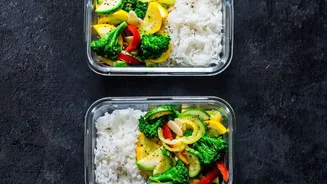
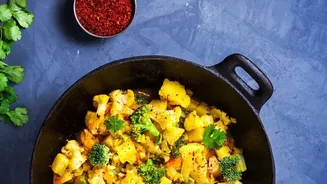
The magic of a 30-minute recipe isn't about rushing, but about strategy. It relies on a few core principles that anyone can adopt. One-skillet or one-pot recipes are champions of this movement, minimizing both cooking and cleaning time. Think stir-fries, flavourful skillet meals, and hearty pressure-cooker dishes. Smart meal preparation is another key component. This doesn't mean spending your entire Sunday cooking. It can be as simple as batch-cooking grains like quinoa or rice, pre-chopping vegetables for the next two days, or preparing a versatile sauce. Modern appliances like air fryers and Instant Pots are also invaluable tools, dramatically cutting down cooking times for proteins and vegetables without sacrificing texture or flavour. A well-stocked pantry with versatile staples like lentils, beans, pasta, and quick-cooking grains provides the foundation for countless fast and easy meals.
A Modern Indian Kitchen Approach
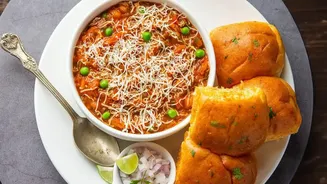
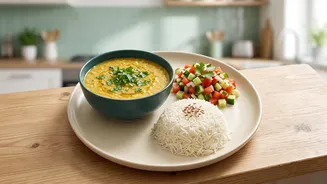
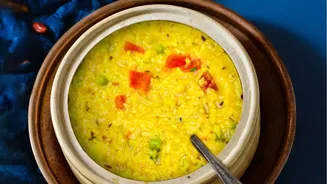
This trend resonates deeply within the Indian context, where traditional cuisine is being brilliantly adapted for modern life. The 30-minute framework is perfect for weeknight versions of beloved comfort foods. A simple dal tadka, using quick-cooking lentils like masoor or moong, can be ready in under 20 minutes. Paneer bhurji or a quick paneer stir-fry with colourful vegetables is a protein-packed meal that comes together in a flash. Even khichdi, the ultimate comfort food, is a one-pot wonder that is both nourishing and incredibly fast. Indian food bloggers and home chefs are leading the charge, sharing techniques to streamline classic recipes without compromising on the authentic flavours that define them. They prove that you don't need hours to create a meal that feels both wholesome and deeply satisfying.