
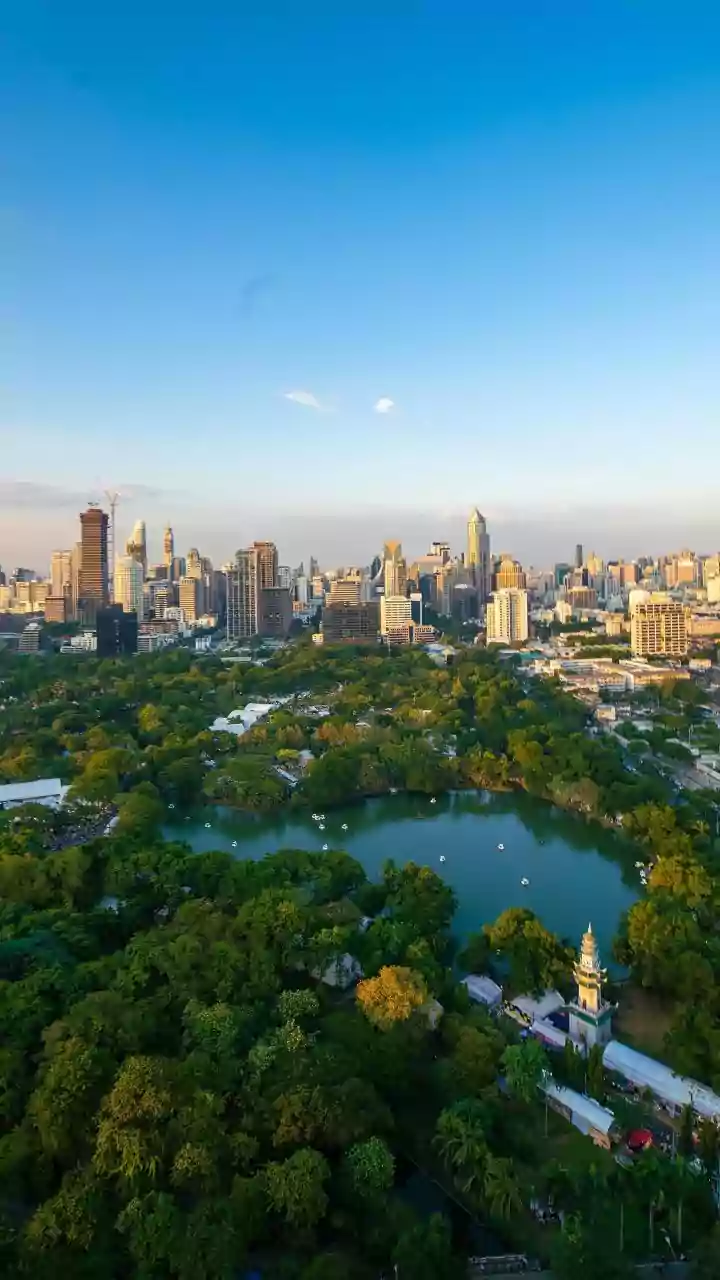





Beyond the usual morning walks, a quiet revolution is unfolding in the public parks of India’s bustling metros. These green spaces are transforming into dynamic hubs where fitness, community, and social life intersect in exciting new ways.
The Great Outdoors as the New Gym
A major driver
of this change is a collective shift in health consciousness, significantly accelerated by the pandemic. With gyms and indoor facilities facing restrictions, city dwellers rediscovered the value of open-air spaces for physical activity. This has outlasted the lockdowns, with many now preferring the accessibility and affordability of a park over a gym membership. Parks in cities like Delhi, Bengaluru, and Mumbai are now dotted with groups practicing everything from yoga and calisthenics to high-intensity interval training. The installation of open-air gyms by municipal bodies has further democratised fitness, providing free and accessible equipment to all. This trend caters to a desire for less intimidating and more flexible workout environments, away from the structured, often high-pressure atmosphere of a traditional gym.
From Solitary Jogs to Social Hubs
The function of parks is evolving from places of quiet solitude to vibrant 'third places'—social environments outside of home and work. What was once a solo jog is now a group run, and a quiet bench can be the meeting spot for a book club or a laughter yoga session. This social element is a powerful motivator. Running clubs in Hyderabad's KBR National Park or walking groups exploring different neighbourhoods in Mumbai are prime examples of how fitness has become a conduit for connection. These groups foster a sense of community and belonging, combating the urban isolation that many experience in large cities. The shared activity provides a natural starting point for conversations, allowing friendships to form organically among people from diverse backgrounds.
A Conscious Push from Urban Planners
This transformation is not entirely organic; it is also being shaped by deliberate urban planning and government policy. Initiatives like the Atal Mission for Rejuvenation and Urban Transformation (AMRUT) and the Nagar Van Yojana explicitly aim to develop and rejuvenate green spaces as essential urban infrastructure. The Nagar Van Yojana, launched in 2020, focuses on creating urban forests and parks that are ecologically functional and accessible, treating them as vital city assets rather than mere decorative additions. The Smart Cities Mission also emphasises integrating green spaces into urban development projects. This top-down support, combined with bottom-up community action, is creating a synergy that revitalises underused areas, making them safer and more inclusive.
More Than Just Physical Health
The benefits of this trend extend far beyond physical fitness. Access to green spaces has a well documented positive impact on mental well being, helping to reduce stress and anxiety. The concept of 'biophilia', our innate connection to nature, suggests that spending time in green environments provides a restorative break from the concrete monotony of city life. These spaces also foster social capital. As communities come together for recreation, they build trust and strengthen neighbourhood bonds. From chess clubs under a flyover in Kolkata to community led revitalisation of neglected spaces in Chennai, citizens are actively reclaiming public areas, reinforcing the idea that these parks belong to everyone.