


The Home Baker's Dilemma
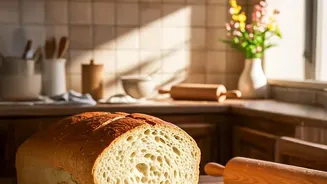
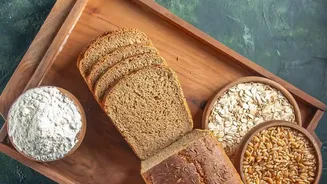
The home baking revolution has firmly taken root in India. From rustic sourdoughs to soft, pull-apart buns, kitchens across the country are turning into miniature bakeries. This enthusiasm often leads to a quest for 'professional' ingredients, including
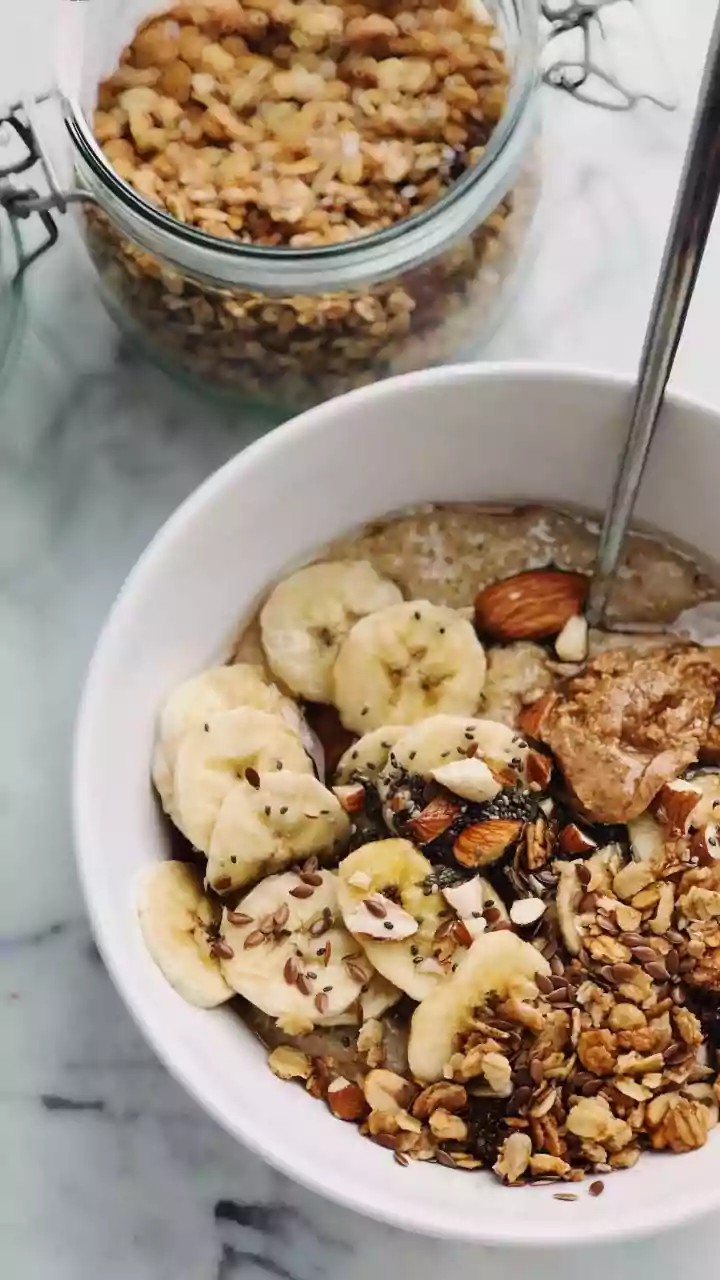
the multi-seed mixes that adorn pricey café loaves. These blends, typically containing sunflower, pumpkin, flax, and sesame seeds, add a delightful crunch and a veneer of health. However, they come with a hefty price tag, often being imported and marketed as gourmet products. This can make a regular baking habit feel like an expensive indulgence, forcing home bakers to either skip the seeds or use them sparingly.
An Introduction to Kalonji
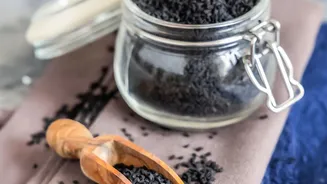
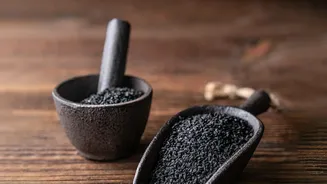
Enter the hero of our story: the nigella seed, known throughout India as kalonji. These small, matte-black, teardrop-shaped seeds are a staple in countless Indian households, commonly found sprinkled over naan, mixed into pickles, or used in tempering for dals and sabzis. Often mistaken for black sesame or onion seeds, kalonji comes from the Nigella sativa plant and possesses a unique flavour profile all its own. While it has been a cornerstone of Indian, Middle Eastern, and North African cooking for centuries, its potential in Western-style bread baking is a game-changer for the modern Indian home baker.
A Unique Flavour Profile
Replacing a seed mix isn't just about texture; it's about flavour. While mixes with sunflower and pumpkin seeds offer a mild, nutty taste, kalonji brings something entirely different to the table. Its taste is sharp, pungent, and slightly bitter, with distinctive notes of onion, oregano, and black pepper. This assertive flavour profile means it's not a direct 1:1 substitute in terms of taste, but an upgrade that creates a more complex and interesting loaf. Toasting the seeds briefly in a dry pan or in hot oil before use mellows the bitterness and amplifies their smoky, aromatic qualities. This distinct taste cuts through the richness of bread dough beautifully.
How to Use Kalonji in Your Bread
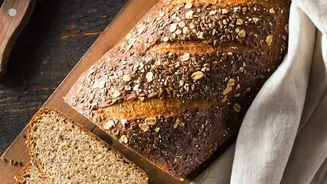
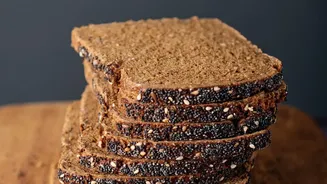
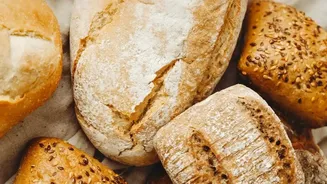
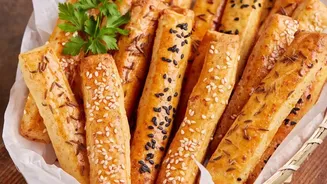
Incorporating kalonji into your bread recipes is simple. You can add the seeds directly into the dough along with the flour, salt, and yeast. A good starting point is about one to two teaspoons of kalonji per standard loaf of bread. Because its flavour is potent, it's wise to start with a smaller amount and adjust to your preference. For a more pronounced flavour and aroma, briefly toast the seeds before mixing them into the dough. Alternatively, use them as a topping. Simply brush your loaf with a little water or an egg wash before baking and sprinkle the seeds generously on top, pressing them gently into the surface to help them adhere. This method adds a wonderful crunch and visual appeal, mimicking the look of artisan breads.
The Perfect Breads for a Kalonji Twist
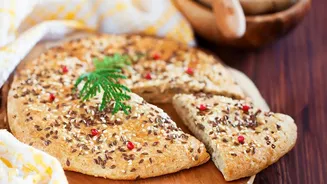
While kalonji is famous on flatbreads like naan and kulcha, its use extends far beyond. It works exceptionally well in rustic, no-knead bread recipes, where its robust flavour complements the fermented tang of the dough. Simple sandwich loaves, both white and whole wheat, are instantly elevated with the addition of these seeds. The oniony notes of kalonji make it a natural fit for savoury bakes like focaccia, pitta bread, and savoury biscuits. It also pairs wonderfully with other spices; try combining it with cumin or fennel for an even more complex flavour profile in your next bake.
The Clear Budget Advantage
The most compelling argument for making the switch is the cost. A small, imported packet of a multi-seed blend can be significantly more expensive than a much larger quantity of kalonji, which is grown and widely available across India. By opting for this local spice, home bakers can achieve that desirable seeded texture and add a unique, sophisticated flavour to their bread for a fraction of the cost. It's a smart, resourceful, and quintessentially Indian solution that makes a regular baking practice more sustainable and affordable without compromising on quality or taste.