




The Problem with 'Crude' Protein
For over a century, the standard method for determining the protein content on a nutrition label has been a chemical test that measures nitrogen. Since proteins are rich in nitrogen, the system simply measures the total nitrogen in a food and multiplies
it by a conversion factor (typically 6.25) to estimate the protein in grams. This is known as the 'crude protein' measurement. The major flaw in this approach is that it doesn't distinguish between true protein and other nitrogen-containing compounds. This can lead to an overestimation of the actual protein content your body can use. It’s a quantitative measure that completely misses the much more important question of quality.
Not Just a Number: The Amino Acid Story
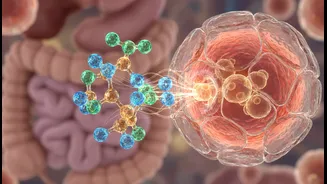
Proteins are complex molecules made up of smaller building blocks called amino acids. When you eat protein, your body breaks it down into these individual amino acids, which are then used for countless vital functions, from building and repairing muscle tissue to producing hormones and enzymes. There are 20 standard amino acids, nine of which are considered 'essential' because your body cannot produce them. You must get them from your diet. A protein's true value lies in its amino acid profile—does it contain all nine essential amino acids in the right proportions for your body's needs? Animal proteins like meat, eggs, and dairy are considered 'complete' because they typically contain all essential amino acids. Many plant proteins are 'incomplete,' meaning they are low in one or more essential amino acids.
Bioavailability: The Absorption Factor
Here's the next critical piece of the puzzle: not all protein you consume is actually absorbed and used by your body. This is a concept known as bioavailability. Animal-based proteins are generally more digestible and bioavailable than plant-based proteins. Plant sources often contain 'antinutrients' or fibre that can interfere with the digestion and absorption of their amino acids. This means that even if a plant food has a decent amount of protein on paper, your body may only be able to extract and utilise a fraction of it. The crude protein method on labels ignores this completely, treating 20 grams of protein from lentils the same as 20 grams from an egg, even though your body will absorb them very differently.
A Smarter Score: Introducing DIAAS
Recognising these limitations, nutrition scientists have developed more sophisticated scoring systems. For years, the standard was the Protein Digestibility-Corrected Amino Acid Score (PDCAAS). This was an improvement as it accounted for both amino acid profile and digestibility. However, it had its own flaws, such as truncating scores at 1.0, which meant many high-quality proteins were ranked as equal even when they weren't. The Food and Agriculture Organization (FAO) of the United Nations has since recommended a more accurate method: the Digestible Indispensable Amino Acid Score (DIAAS). DIAAS measures the digestibility of each individual essential amino acid at the end of the small intestine, which is where absorption actually happens. It provides a more precise and untruncated score (often shown as a percentage), allowing for a much clearer ranking of protein quality. For example, whey protein might score over 100%, while many plant proteins fall below 75%.
What This Means for Your Plate
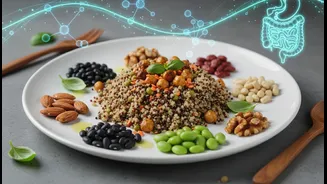
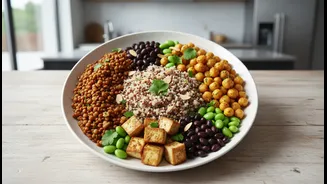
Rethinking protein quality doesn't mean you must abandon plant-based foods. It simply calls for a more informed approach. For those following a vegetarian or vegan diet, it underscores the importance of eating a larger total amount of protein and combining different plant sources—like rice and beans—to create a complete amino acid profile. For everyone, it’s a reminder that the number on the front of the package isn't the only thing that matters. Understanding that protein from a source like milk or eggs is more readily used by your body than from wheat can help you make better choices to meet your health and fitness goals. Until labels adopt a more modern scoring system like DIAAS, looking beyond the headline number to the source of the protein is your best strategy for effective nutrition.