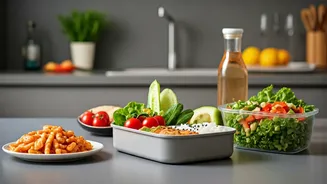





The Rise of Smarter Meal Prep
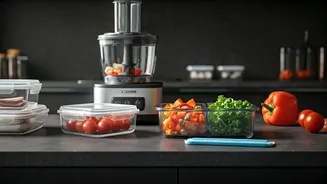
The core concept of meal prepping isn't new, but the strategy has evolved significantly. Instead of cooking five identical meals for the week, the modern approach is about 'component prepping'. [3] This involves batch-cooking versatile base ingredients—like
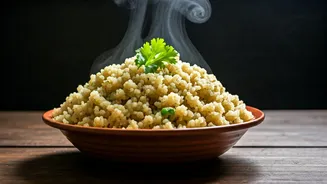
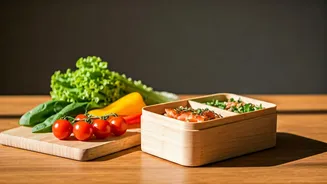
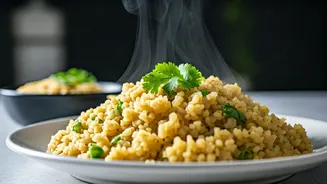
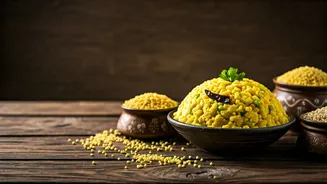
a large portion of millets, quinoa, roasted vegetables, or grilled paneer—on a Sunday. [4] Throughout the week, these components can be mixed and matched in different combinations to create varied and interesting lunches without starting from scratch each day. [3] Think quinoa one day as a salad base, and in a veggie bowl the next. [14] This method saves immense time, reduces food waste, and fights the monotony of eating the same meal repeatedly. [4]
Innovations in the Dabba Itself
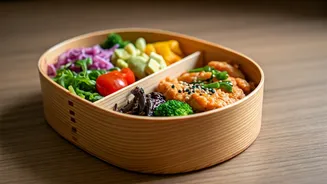
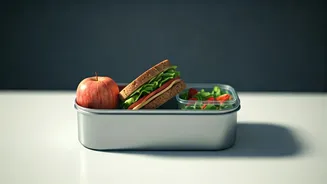
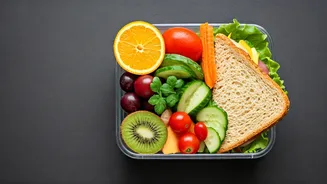
Today's lunchbox is more than just a container; it's an active gadget. The market is now full of 'smart' lunchboxes designed for the modern professional. Innovations include modular, leak-proof containers that keep different food items separate and fresh, like those with compartments for proteins, carbs, and veggies. [6, 7] Some of the most game-changing models are self-heating, battery-powered lunchboxes that warm your food automatically at a pre-set time, meaning you can have a hot, home-cooked meal anywhere without needing a microwave. [2, 16] These smart dabbas solve the age-old problems of soggy meals and the hunt for a free office microwave, making leftovers genuinely appealing. [2]
The Convenience of Meal Kits and Subscriptions
For those who are truly short on time, the food industry has stepped up with a variety of convenient services. Meal kit delivery services provide pre-portioned ingredients and recipes, taking the guesswork and shopping time out of cooking. [18, 23] Even more direct are the ready-to-eat meal subscriptions that cater specifically to office lunches. [17, 21] These services offer a menu of chef-designed, nutritionally balanced meals that are delivered to your door. All you need to do is heat and eat. In India, there's also a growing market for ready-to-eat pouches of classic dishes like Dal Tadka or Rajma Masala, which can be paired with quick-cooking rice for a wholesome meal in minutes. [28, 31]
Supermarket Shortcuts That Save Time
Your local supermarket has become a key ally in simplifying lunch prep. The aisles are increasingly stocked with products designed to cut down on kitchen time. You can now easily find pre-chopped vegetables, peeled garlic, ready-made dosa and idli batters, and high-quality marinades and sauces. [27] The freezer section also offers nutritious options like frozen vegetables, edamame, and corn. [22] Another significant development is the availability of instant gravy mixes and quick-cooking grains. [30] Combining these convenience products with fresh ingredients allows for a semi-homemade meal that is both quick to assemble and flavourful, striking a perfect balance between convenience and a home-cooked feel.
Embracing No-Cook and Low-Cook Meals
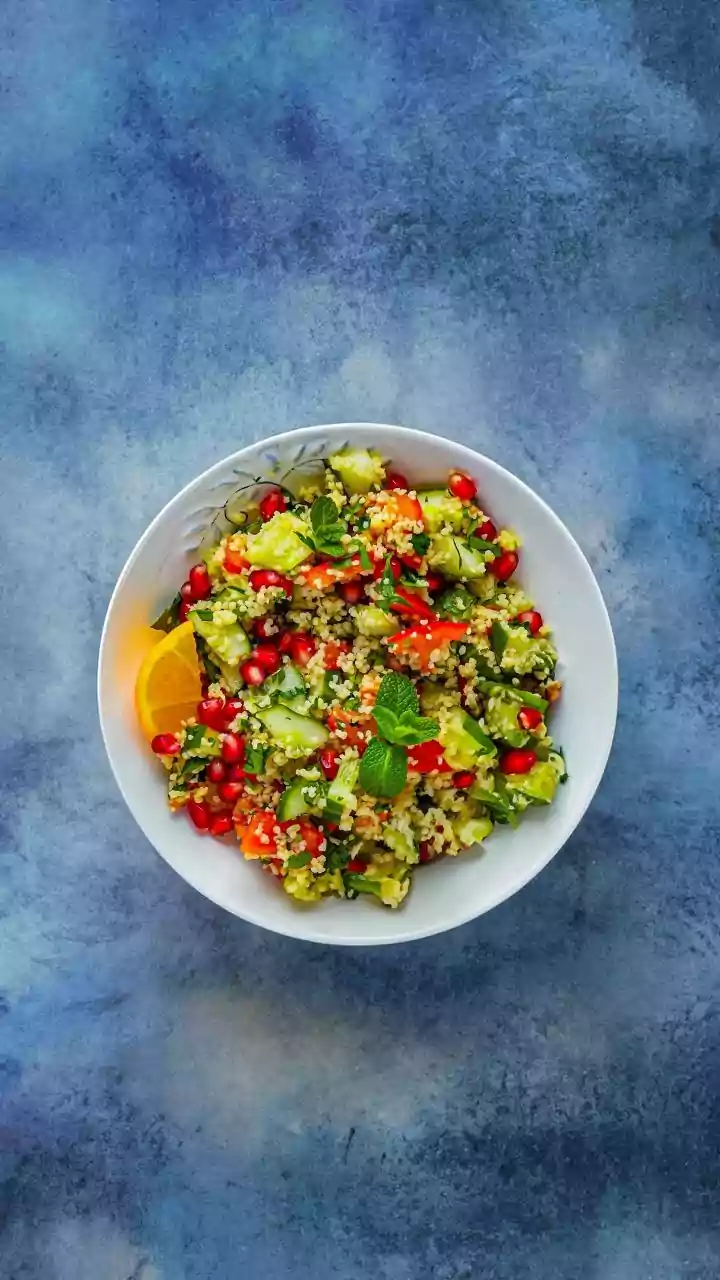
Simpler lunch prep also means rethinking the need to cook at all. No-cook lunches are becoming increasingly popular and can be assembled in minutes. [3] Ideas include vibrant mason jar salads, where ingredients are layered to stay fresh, or protein-packed boxes with boiled eggs, hummus, and vegetable sticks. [4, 14] Wraps using whole-wheat tortillas filled with paneer, chickpeas, or leftover chicken are another quick option. [10] Similarly, low-cook Indian classics like poha, upma, and besan chilla come together in under 15 minutes, offering a hot and satisfying meal without a long time at the stove. [29] These options are perfect for those mornings when time is especially tight.