







Essential Documents and Permits
Before you pack a single piece of clothing, ensure your documents are in order. The Shri Amarnathji Shrine Board (SASB) has a strict registration process. You will need your Yatra Permit, which is issued after successful registration and specifies your route
and travel date. A Compulsory Health Certificate (CHC) from an authorized doctor is mandatory to prove you are fit for the high-altitude trek. Also, carry a government-issued photo ID like an Aadhaar card at all times. Every registered pilgrim must collect and wear a Radio Frequency Identification (RFID) card around their neck for safety and tracking.
Clothing: The Art of Layering
Weather in the Himalayas is notoriously unpredictable, changing from sunny to freezing in hours. Layering is your best strategy. Start with thermal innerwear to retain body heat. Add a fleece jacket or a warm sweater as a mid-layer. Your outermost layer must be a waterproof and windproof jacket. Carry several pairs of woolen socks, warm gloves, and a cap or balaclava that covers your ears. For women, salwar kameez or track pants are recommended over sarees for ease of movement.
Footwear: Your Most Critical Gear
You will be trekking on uneven, rocky, and potentially slippery paths. Investing in high-quality, waterproof trekking shoes with good ankle support and a strong grip is non-negotiable. Avoid wearing new shoes directly on the trek; break them in by wearing them for a few days beforehand to prevent blisters. Do not wear slippers or sandals. A comfortable pair of shoes or sandals can be useful for relaxing at the base camps.
Personal Health and Medical Kit
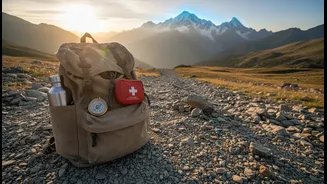
High altitude can affect anyone. Carry a personal medical kit with any prescription medications you need. Include painkillers, antiseptic cream, bandages, and medication for motion sickness or allergies. Sunscreen and lip balm are crucial, as UV exposure is stronger at high altitudes. While medical camps are available every few kilometres, having your own basic supplies is essential for immediate needs. It is also wise to prepare for the yatra by doing breathing exercises and walking for a month in advance to acclimatize your body.
Food and Hydration
Staying hydrated is key to combating altitude sickness. Carry a reusable water bottle and aim to drink about 5 litres of fluid daily. While langars (community kitchens) provide meals, it's smart to carry your own high-energy snacks. Pack items like dry fruits, nuts, chocolates, and energy bars for a quick boost during the trek. These should be kept in a waterproof bag to protect them from rain.
Miscellaneous But Necessary Items
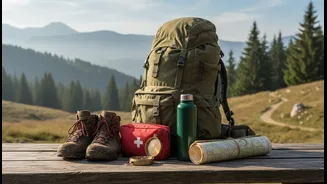
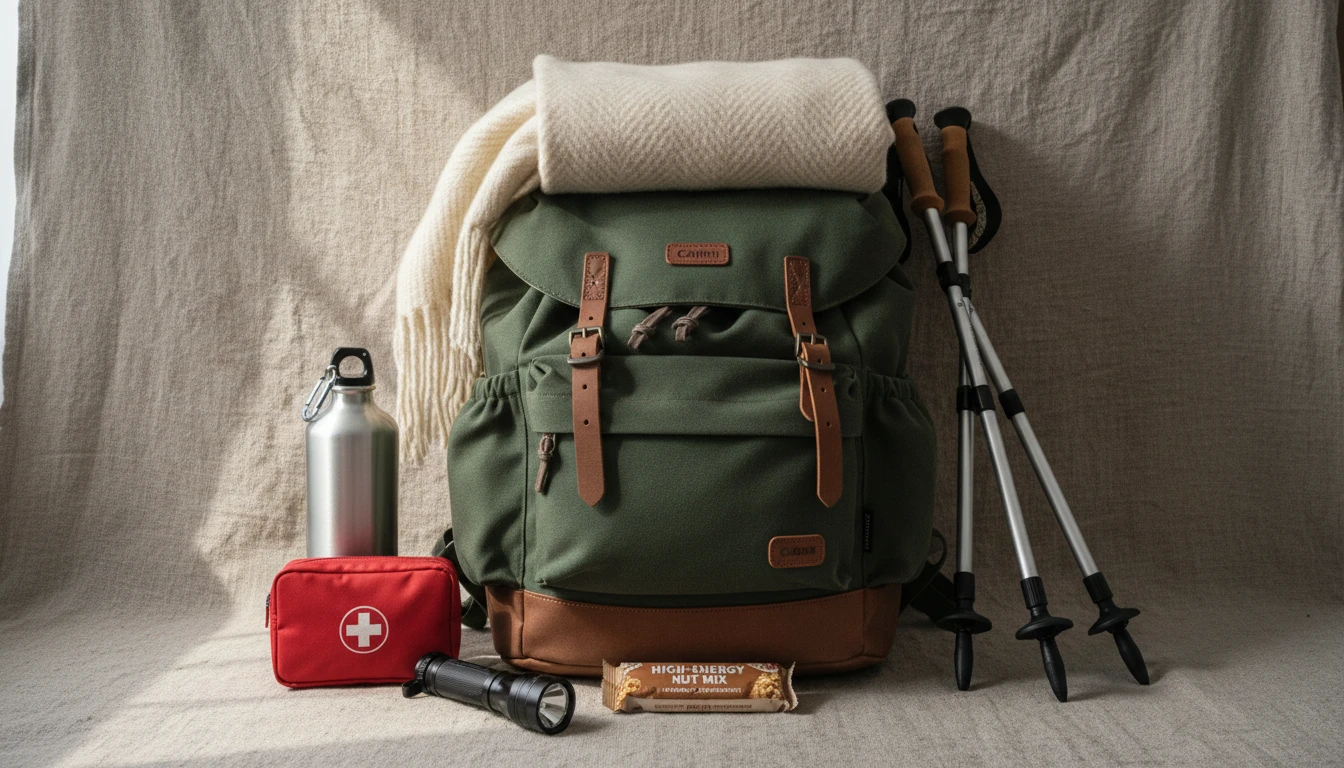
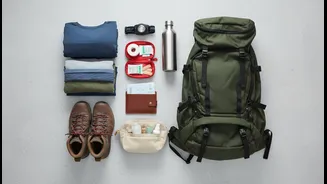
A sturdy, waterproof backpack of around 40 litres is ideal for carrying your essentials. A walking stick or trekking pole provides crucial support and balance on steep sections. Since electricity is not always available, carry a torch or headlamp with spare batteries and a power bank for your phone. A postpaid mobile connection is recommended, as prepaid services often do not work in the region. Pack a small towel, soap, toothbrush, and other personal hygiene items. Lastly, carry sufficient cash for any expenses along the way.