








The Sticky Problem with Mango Sap
Before we dive into the solution, it helps to understand the problem. That sticky, milky white substance that oozes from the stem of a mango is a type of latex. In nature, this sap serves as a defense mechanism for the fruit, protecting it from fungi,
insects, and other pests. For us, however, it’s mostly a nuisance. The sap contains compounds, including urushiol (the same irritant found in poison ivy, though in much smaller quantities), which can cause contact dermatitis in sensitive individuals. This can manifest as a rash, itching, or small blisters around the mouth, a condition often called 'mango mouth'. Beyond the potential for skin irritation, the sap has a bitter, astringent taste. If it gets on the fruit’s flesh as you cut it, it can spoil the sweet, delicious flavour you were looking forward to. This is why properly cleaning mangoes before eating them is more than just a matter of hygiene; it’s about ensuring the best possible eating experience.
Why the Saltwater Method Is Your Secret Weapon
This is where a simple bowl of saltwater comes to the rescue. This isn't a new-fangled internet hack; it's a traditional method passed down through generations in mango-loving households across India. The logic is rooted in both folk wisdom and basic science. For years, elders have advised soaking mangoes in water to reduce their 'heat' or 'taasir'. While the concept of 'hot' and 'cold' foods is an Ayurvedic principle, the practice has a tangible scientific benefit. Soaking mangoes, especially in saltwater, helps to leach out certain compounds from the skin and stem area. The salt acts as a catalyst in this process. It helps to break down the complex compounds in the sticky latex, making it easier to wash away. It also helps draw out phytic acid, an anti-nutrient found in many plant-based foods that can interfere with the absorption of minerals like iron, zinc, and calcium. So, this simple soak not only cleans the mango but may also make its nutrients more accessible.
Your Step-by-Step Saltwater Guide
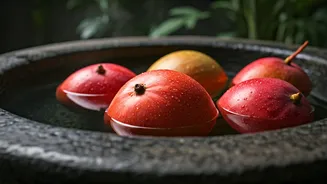
Ready to try it for yourself? The process is incredibly simple and requires only a few minutes of active time. 1. Prepare the Bath: Find a bowl or basin large enough to comfortably hold your mangoes. Fill it with room temperature water, ensuring there’s enough to fully submerge the fruit. Add about one to two tablespoons of regular table salt to the water and stir until it dissolves. 2. Submerge the Mangoes: Gently place your mangoes into the saltwater bath. Make sure they are fully covered by the water. If they float, you can place a small plate on top to keep them submerged. 3. Let Them Soak: Leave the mangoes to soak for at least 30 minutes. For best results, you can leave them for an hour or two. During this time, the saltwater will work its magic, breaking down the sap and drawing out other compounds. You might notice the water becoming slightly cloudy. 4. Rinse and Dry: After the soaking time is complete, remove the mangoes from the saltwater. Give them a thorough rinse under clean, running water to wash away any remaining salt and loosened sap. Pat them dry with a clean cloth, and they are now perfectly prepped and ready to be cut and enjoyed.
Benefits Beyond a Clean Surface
The primary goal is to get rid of the sticky sap, but this method offers a few other welcome advantages. First and foremost, you significantly reduce the risk of skin irritation. By washing away the latex before you cut the fruit, you prevent it from coming into contact with your skin or the flesh of the mango. This makes the experience much more pleasant and safe, especially for children or anyone with sensitive skin. Secondly, you will notice an improvement in taste. Without the bitter sap tainting the flesh near the skin and seed, the mango’s natural sweetness and complex flavour profile can shine through. Finally, you’re participating in a timeless tradition that connects you to generations of mango lovers who understood the secrets to enjoying this king of fruits to its fullest. It’s a simple step that elevates the entire experience from just eating a fruit to savouring a seasonal treasure.